A job offer from a designated employer in Nova Scotia, New Brunswick, Prince Edward Island or Newfoundland and Labrador, and no labour market impact assessment. The route is real, but each province now runs it differently. Here is where it actually stands.
She is truly nothing short of the best! From the very beginning, she has been incredibly knowledgeable, supportive, and attentive to every detail throughout my Canadian PR journey.
My case was quite complicated and, at times, I honestly felt like I had lost all hope. But she was always patient, understanding, and considerate. What makes her truly exceptional is that she doesn’t just handle the application as a process—she genuinely feels like she is living the journey alongside her clients. She understands their concerns, keeps track of even the smallest details, and always makes sure nothing is overlooked.
Trusting her with my application was one of the best decisions I made. By the grace of God, and with her expertise, dedication, and keen eye for detail, I was able to make it through a journey that once seemed almost impossible.
I am genuinely grateful for everything she has done for me and for the care and commitment she showed throughout the entire process. Her professionalism, knowledge, and dedication are truly praiseworthy. I would wholeheartedly recommend her to anyone looking for a trustworthy and dedicated immigration consultant.
Forever grateful for her guidance and support! ❤️
It’s was really a great experience having Ubuntu worldwide immigration consulting firm walk me and my family through the process of a successful new chapter from the very first step of consultation throughout the requirements to application for my family visa
We are grateful to have your experienced hands direct and lead us through the right path.
I am glad our application is worthy to be part of your success story
Many more successful applications to go 🙏
My experience with Ubuntu Worldwide Immigration Consulting was truly positive. From the beginning, they guided my family through the process with patience, professionalism, and genuine care. I especially appreciated how they took the time to answer our questions and keep us informed. Seeing our application approved was a very happy moment for my family, and I’m grateful for their support throughout the journey. I would gladly recommend their services to others.
I am truly grateful to Ubuntu Worldwide Immigration Consulting for their support throughout my family’s immigration journey. After experiencing previous refusals, we finally received approval for my husband and children, and this means so much to our family.
The team was professional, supportive, patient, and responsive throughout the process. They guided us carefully and gave us confidence even when the journey felt challenging.
Thank you to the entire Ubuntu team for helping us reach this important milestone. I sincerely appreciate your dedication and would gladly recommend your services to anyone looking for reliable and professional immigration support. ❤️🙏🏽
I honestly don’t know where to begin because it is difficult to put into words just how grateful I am for the support I received throughout my PR journey.
Immigration can come with so much uncertainty. There is so much information online, different experiences from different people, and sometimes your own previous experiences can leave you with more questions than answers. From the beginning, however, Mary brought a level of reassurance, patience, professionalism, and confidence that made such a difference for me.
What stood out most was how knowledgeable and thorough she was. She paid attention to the details, took the time to address every concern I had, and never made me feel like I was asking too many questions. Even when I needed extra reassurance or wanted to be certain that every aspect of my application had been properly considered, she remained warm, approachable, and patient. She never rushed me or dismissed my concerns. Instead, she explained things clearly and gave me the confidence to trust the process.
Her knowledge and experience were evident in the way she handled my application from beginning to end. I always felt that it was being handled with care and that nothing was being overlooked. She made what could easily have been an overwhelming and stressful journey feel much more manageable.
I am incredibly grateful that I chose to work with her and stayed the course with her, and I wholeheartedly recommend her to anyone looking for an immigration professional.
I am so glad our paths crossed, and I cannot thank her enough for being such an important part of this journey.
Thank you so much, Mary, for everything. You were truly amazing from beginning to end.
I had an excellent experience working with Ubuntu worldwide Immigration. Mary was incredibly efficient, professional, and detail-oriented throughout the entire process.
Her communication was flawless. She always responded promptly, explained each step clearly, and made sure I was informed along the way. Her attention to detail and expertise made what could have been a very stressful process feel smooth and manageable.
Thank you for helping me reach such an important milestone!
I know I’m a little late in writing this review, but I truly wanted to take the time to thank Mary and everyone at Ubuntu Worldwide Immigration Consulting Inc. for the support and guidance they gave me throughout our application.
Mary was an incredible help from start to finish. What I appreciated most was how genuinely she cared about our application. She was always professional, knowledgeable, patient and thorough, and she made sure I understood the process every step of the way. Going through an immigration application can be stressful, but having someone like Mary guiding me gave me a lot of confidence and peace of mind.
I’m sincerely grateful for all her hard work and support. Thank you, Mary, for helping us through such an important process. I truly appreciate everything you have done for us and would wholeheartedly recommend you and UWIC to anyone looking for trustworthy and genuine immigration support.
If I could give Mary & UWIC 100 stars, I would give her. She is truly more than just a consultant, she is someone we trusted with our future, and she never once let us down.
Having worked with different consultants before, we know how much of a difference the right person can make. Mary is exceptional. She doesn’t simply look at paperwork and tell you what to submit. She takes the time to carefully study your documents, understand your circumstances, create a thoughtful plan, and guide you through every step with genuine care and understanding.
What makes her even more special is that she understands the immigrant journey personally. She knows the uncertainty, the sacrifices, the hopes, and the dreams that come with building a new life in Canada because she was once an immigrant herself. That understanding made us feel heard, respected, and never alone throughout the process.
There were moments when we felt anxious about our future, but Mary always gave us reassurance and confidence. Her knowledge, dedication, honesty, and compassion made all the difference.
Thank you, Mary, for believing in us, guiding us, and helping make our Canadian dream come true. We will always be grateful for everything you have done for us. ❤️
From honest , research-based advice, through proper guidance and effective communication, to excellent attention to detail, UWIC's immigration consultancy services that prioritize the interests of clients are simply top-notch. Where's the 6th star already?
UPDATE
Thanks to the expert guidance of Ubuntu's Mary , my family and I now have a different, delightful story about our Canada journey.
I, along with my daughter, had accompanied my wife who was traveling to study in Canada, the implication being that my wife had to be the propeller for the rest of the family towards status retention/extensions, as well as Permanent Residence. Mary relentlessly looked out for alternative pathways and opportunities, never giving up even when we were going to. I became the principal applicant for our PRs, and Ubuntu handled everything. As of today, August 26, 2026, with my wife completing her studies only 2 months ago, we are now Permanent Residents of Canada. I still have 2 solid years of work permit which I do not need anymore, and my wife never got to need a Post Graduate Work Permit. How did we do it? Ask Ubuntu. They are the best.
I HIGHLY recommend Ubuntu Worldwide Immigration Service. They assisted my family in processing my parent’s visitor’s visa. The entire experience from start to finish was exceptional. Mary was professional, responsive, knowledgeable and genuinely committed to whole process.
What impressed me the most was Mary’s ATTENTION TO DETAILS and her willingness to answer questions, and provide reassurance throughout the process. Mary made the whole process stress-free!
Thank you Ubuntu Worldwide Immigration Consulting!
I am committed to spreading the good work your team do, Mary.
Curtis Obadan
We had an absolutely wonderful experience working with Ubuntu. She is a true professional who is incredibly attentive, kind, and genuinely cares about her clients. Her positive attitude and dedication made a lasting impression on us, and she made everything feel completely stress-free. We cannot thank her enough for her exceptional service. I highly recommend her to anyone looking for a top-notch experience!
I am incredibly grateful to Ms. Mary for helping me achieve my Canadian Permanent Residency. She is truly a master of her profession, and her knowledge, professionalism, patience, and dedication made my immigration journey much easier and less stressful. From the beginning, Ms. Mary personally took care of my file and guided me through every stage of the process. She made sure that everything was prepared correctly and followed up step by step until I finally received the positive response from IRCC. Her support and confidence throughout the process meant a lot to me. I highly recommend Ms. Mary to anyone looking for trustworthy and professional immigration guidance, whether for a student visa, work permit, PR, or citizenship. A huge kudos to the entire Ubuntu Worldwide Immigration Inc. team for their outstanding service and dedication. Thank you, Ms. Mary, for helping make my Canadian dream a reality. I strongly recommend your services to everyone. God bless you and your team.
Ubuntu Worldwide Immigration Consulting Inc., and especially Mary, made our PR application under RCIP a success from start to finish. The journey was intense and there were moments of uncertainty, but Mary was patient, considerate, and always kept us on track, even pushing us when we needed it most.
She was thorough, responsive, and genuinely invested in our success, not just as a client but as people trying to build a life here. Thanks to her guidance and expertise, our PR application was approved, and we couldn't be more grateful.
We wholeheartedly recommend Mary and Ubuntu Worldwide Immigration Consulting to anyone pursuing their Canadian dream. Wishing the company continued growth so more families can experience the same care and dedication we did.
Thank you, Mary, for everything! God bless you! ❤️
I had an excellent experience with Ubuntu Worldwide Immigration Consulting Inc. throughout my PR application process. Mary was professional, responsive, and highly knowledgeable about Canadian immigration requirements. She guided my family and me through every step of the process, ensuring that all our documents were accurately prepared and submitted on time. She consistently kept us informed about the progress of our application and was always available to answer our questions.
What I appreciate most is her dedication and genuine commitment to helping families succeed. Thanks to her expertise and support, our children were also able to join us in Canada, which meant everything to us. Her guidance made what could have been a stressful and overwhelming process much smoother and more manageable.
I am truly grateful for Mary's hard work and professionalism, and I highly recommend her services to anyone seeking trusted and reliable assistance with Canadian immigration.
I had one of the best experiences working with Ubuntu. if I could give more than 5 stars I would. A true lifesaver. The peace of mind given settled all my fears. Communication is great and service is the impeccable. Mary made the entire journey stress free and I'm can't wait to work with her again.
Thank you so much, Mary, for making the whole student permit application process for my son so smooth. I was honestly so anxious these past few weeks while waiting for the result, and receiving his approval brought me so much relief and happiness.
I’m truly grateful for your guidance, and support throughout the entire process. Thank you for helping make this important opportunity for my son possible. I sincerely hope you continue to help many more students and families achieve their dreams. Your hard work and dedication are truly appreciated. ❤️🙏
My experience with Ubuntu Worldwide Immigration was so amazing. I found her page on Instagram and decided to use her for my application and everyday I remain grateful to myself for taking that decision because her customer service is so excellent,she listens and explains everything you need clarity on and to the glory of God my PGWP and my husband’s work permit extension was approved. I highly recommend her 100% and honestly your satisfaction & fulfilment is guaranteed.
Ubuntu handled my mother's visa application process with topmost professionalism and outstanding attention to detail.
Mary maintained a respectful demeanor and kept communication clear and prompt all through.
Mary ensured we put in a strong application especially since my mum had a previous refusal. Mary loves and is excellent at what she does and its evident in the amout of time she spent to ensure we got a favorable result.
Thank you for making this family reunification a reality.
Mary of Ubuntu Worldwide is very very good at what she does. After a diy visitor visa refusal for my mum, I went to her to help with reapplication and her expertise helped in getting an approval. If I could rate her move than 5 stars, I would.
I had a great experience with Ubuntu worldwide immigration consulting Inc. for my visa file.I was worried about my status but she always answered my every questions quickly and told me exactly what documents to prepare. She made a super stressful process so much easier. My application got approved with no issues at all. Huge thanks to the Mary — definitely use them if you need help immigrating!
I can’t thank Mary enough for all her support and hard work throughout my immigration process. She was professional, patient, and always available to answer my questions and guide me every step of the way. I truly appreciate her dedication and the care she put into helping me. I highly recommend her services to anyone looking for reliable and trustworthy support!
They were a pleasure to work with and were very responsive. They kept us updated with the application status and paid great attention to details. I highly recommend their services.
I would like to sincerely thank you, Mary, for helping me with my children's student visa applications. With your guidance and support, we received their approval, and we will soon be reunited with them.From the beginning until the end, you patiently guided me, answered all my questions, and made the entire process much less stressful. I truly appreciate your dedication and professionalism.
I will definitely recommend you to my friends and anyone looking for reliable assistance. Thank you so much for everything, and God bless you!
We had an excellent experience working with Mary of Ubuntu Worldwide Immigration Consulting Inc. for our work permit application. She was very professional, knowledgeable, proactive, and extremely organized throughout the entire process.
She patiently answered all our questions, guided us step by step, and made sure our documents were properly prepared and submitted. Her attention to detail and expertise gave us a lot of confidence and made the whole process much less stressful.
Thanks to her help, we successfully received our work permit. We are truly grateful for her support and would highly recommend Ubuntu Worldwide Immigration Consulting Inc. to anyone looking for reliable and professional immigration assistance.
Another wonderful experience with Mary at Ubuntu Worldwide Immigration Consulting Inc.! She assisted us with my Post-Graduate Work Permit application and was exceptional from start to finish.
Mary was upfront with us from the beginning, letting us know there was a strong chance we’d receive a 3-year PGWP and she was right, it was approved! However, IRCC issued the permit in line with my passport’s expiry date rather than the full three years. Her expertise meant we always knew what to expect , no surprises, just confidence in the process.
Her knowledge of immigration matters is clearly extensive, and her honesty throughout gave us real peace of mind. She was professional, responsive, and supportive at every step, always making sure we understood what was happening and why.
We’re so grateful for Mary’s help and wholeheartedly recommend her and Ubuntu Worldwide Immigration Consulting Inc. to anyone looking for reliable, trustworthy immigration support!
We are beyond grateful to Mary and the entire team at Ubuntu Worldwide Immigration Consulting Inc. for helping us in our application. Our case was complicated as our previous work permit application had been refused, and we had already lost our status. We felt hopeless and overwhelmed, but Mary helps us with kindness and patience. She took the time to listen to every detail of our situation and reassured us that there was still hope. She helps us with the application of a new work permit for my husband and an open work permit for myself.
Mary is not only incredibly knowledgeable and professional, but she also has a truly compassionate heart. Her expertise, strategic approach, and deep understanding of the immigration system gave us confidence and peace of mind throughout the entire process. She explained everything clearly and guided us every step of the way with honesty and dedication.
Thanks to Mary’s hard work and commitment, our work permit application and restoration were successfully approved. We will always be thankful for her support and for never giving up on our case.
We highly recommend Mary and Ubuntu Worldwide Immigration to anyone needing help with immigration matters such as work permits, restoration of status, RCIP-PR, student visas, and many more. You can truly trust that you are in caring and capable hands.
From the bottom of our hearts, thank you so much, Mary, Ubuntu Immigration Services, and your amazing staff.
May you continue helping and blessing more people through your excellent service!
I had one of the best experiences with Ubuntu Worldwide Immigration Consulting during my PR journey. Their commitment, guidance, and professionalism were truly outstanding from start to finish.
She is extremely reliable, knowledgeable, and experienced in immigration services. What I appreciated the most was her honesty, commitment and clear guidance — she always explained exactly what was required for my case and made sure everything was completed correctly and on time.
Whenever I had questions or concerns, she responded almost immediately and was always there to support and reassure us throughout the process. Her dedication and hard work were incredible; she genuinely puts in 101% effort to help her clients succeed.
Thanks to her excellent support and guidance, we successfully received our PR, and we are truly grateful for everything she did for us. I highly recommend Ubuntu Worldwide International to anyone looking for trustworthy and professional immigration consulting services.
Thank you very much for your exceptional support and for making our dream come true!
Mary truly went beyond my expectations in helping me achieve my goal of becoming a Permanent Resident.
I was previously a client of Ubuntu Immigration, but when I applied for my PR I was no longer a paid client. Despite that, Mary still took the time to assist and guide me throughout my application. She was always just a call away and never failed to answer my questions whenever I needed clarification.
Her sincerity, patience, and genuine willingness to help made a huge difference in my journey. She never made me feel like I was on my own during the process. Her expertise in immigration is truly remarkable, and she made sure that every requirement requested by IRCC was properly prepared, organized, and submitted in a professional manner.
Applying for PR can be stressful and overwhelming, but having someone knowledgeable and trustworthy like Mary made the process much easier and gave me confidence every step of the way. I am deeply grateful for her support, guidance, and kindness.
If you are looking for someone reliable, professional, and truly dedicated to helping their clients succeed, I highly recommend Mary. Thank you for being such a big part of my journey.
1000% highly recommended!
WHERE THINGS ACTUALLY STAND
The 2026 picture, without the sales pitch
4,000Permanent residence spots targeted for 2026
26Months average processing, as at 10 August 2026
12,100Applicants currently waiting for a decision
0Labour market impact assessments required
The Atlantic Immigration Program is open and it remains one of the most accessible permanent residence routes in Canada, with no points grid and no draw to win. But 2026 brought a smaller federal target and four very different provincial approaches. Knowing which province will actually endorse you matters more than meeting the federal criteria.
Target reduced
Fewer places than last year
The 2026 to 2028 Levels Plan sets the Atlantic Immigration Program target at 4,000 admissions for 2026, with a range of 3,000 to 5,000. The 2025 target was 5,000.
That is a 20% reduction, not the increase reported on several consultant sites
The same 4,000 target is set for 2027 and 2028
Fewer places, combined with 12,100 people already in the queue, is what sits behind the 26 month processing time
Source: IRCC Levels Plan, published 4 November 2025
Still the easier route
No points grid, no draw, no LMIA
Unlike Express Entry or a provincial nominee stream, there is no competitive score to beat. If you hold a qualifying job offer and meet the criteria, you are eligible. That is rare in 2026.
Your employer does not need a labour market impact assessment
Language can be as low as CLB 4 for a TEER 4 job offer
Education can be as low as a high school diploma for TEER 2, 3 and 4 roles
An optional two-year work permit lets you start work while permanent residence is processed
Paused
New Brunswick has stopped designating employers
Effective 3 February 2026, Immigration New Brunswick paused acceptance of new employer designation applications while it reassesses existing designated employers. No end date has been published.
New Brunswick has also excluded the entire accommodation and food services sector from endorsement
Several occupations are excluded regardless of sector
Candidates living outside Canada are limited to government-led recruitment in health care, education and construction
Source: Government of New Brunswick important notices
Restricted
The other three provinces each ration differently
All three remain open, but none simply processes applications in the order they arrive.
Nova Scotia treats both designation and endorsement as expressions of interest, drawn from a pool
Prince Edward Island accepts endorsements only in health care, construction and manufacturing
Newfoundland and Labrador issues employers a limited number of designation spaces that expire on 31 December each year
START HERE
Do you qualify, and will your province take you?
Atlantic Immigration Eligibility Checker
Six questions against the actual federal criteria, plus the settlement funds you will need and what your chosen province is currently accepting.
What kind of job have you been offered?
The skill level of the job sets your language and education bar. If you do not have an offer yet, choose the level you expect to work at.
Do you have the work experience?
The requirement is 1,560 hours in the last five years, which is 30 hours a week for a year. Self-employment does not count.
What is your highest education?
Foreign credentials need an educational credential assessment less than five years old. Canadian credentials do not.
What is your English or French level?
Measured on the Canadian Language Benchmarks, in all four abilities. Your test result must be less than two years old.
Which province?
This is the most consequential answer. Each province is currently running the programme differently.
How many people are coming with you?
Count yourself, your spouse or partner, and any dependent children, whether or not they travel with you.
THE DECISION THAT MATTERS MOST
Four provinces, four different answers
The federal criteria are identical across all four provinces. What differs is whether a province will designate your employer and endorse your offer, and in 2026 that varies enormously.
Nova Scotia
Open, and the province with the most published detail about how it selects. Since 28 November 2025 both employer designation and candidate endorsement are treated as expressions of interest, held in a pool until drawn rather than processed in the order received.
Designation statusOpen, but drawn from an EOI pool
Employer insuranceMinimum $2 million required
Designation reviewEvery 2 years
Priority occupationsHealth care and skilled trades, TEER 0 to 4
Worth knowing: food service supervisors, NOC 62020, are excluded from the programme in Nova Scotia. TEER 5 occupations are not prioritised. Onboarding training may be completed at any point before the employer applies for its first endorsement, which is more relaxed than PEI or Newfoundland. The provincial fee increase announced for 1 September 2026 does not touch the Atlantic Immigration Program.
Newfoundland and Labrador
Open, with no pause notice anywhere on the provincial site, but rationed through a mechanism unique in Atlantic Canada: employers hold a finite number of designation spaces rather than an open designation.
Designation spacesExpire 31 December of the year issued
Worth knowing: both training courses must be finished before an employer applies for designation, and an employer cannot hold a job vacancy assessment and an Atlantic designation space for the same occupation. Invitation volumes in 2026 have run well below 2025, with rounds of 18 to 46 against a 2025 peak of 135, and one round on 18 August issuing none at all. Prioritisation favours health occupations, rural and regional jobs, and roles supporting rural communities, with the St. John's metro area receiving lower priority.
Prince Edward Island
Employer designation remains open, but endorsement, the step that actually matters, has been restricted to three sectors since 24 January 2025. The province states plainly that this follows a reduction in its federal allocation.
Endorsement sectorsHealth care, construction and manufacturing only
Provincial feeNone. Only the federal $230 compliance fee where a work permit is involved
Worth knowing: both training courses must be complete before the designation application is submitted, and the job must be at least 30 hours a week in PEI. The Certificate of Endorsement is sent to the employer rather than the candidate, so your employer forwards it to you. If your occupation falls outside health care, construction or manufacturing, PEI is not currently a viable route no matter how strong your profile.
New Brunswick
Effective 3 February 2026, Immigration New Brunswick paused acceptance of new employer designation applications, to reassess existing designated employers and evaluate its priorities. No end date has been published.
Designation statusPaused since 3 February 2026
Sector exclusionAccommodation and food services, NAICS 72
From outside CanadaHealth care, education and construction only, through provincial recruitment
Published end dateNone
Read this carefully: the pause applies to new employer designations, not to employers already designated. If your prospective employer is already on the list, a path may still exist. If not, there is currently no way to create one in New Brunswick. Several occupations are also excluded regardless of sector. We would generally point a candidate with a New Brunswick offer towards Nova Scotia or Newfoundland and Labrador instead, and say so early rather than after fees have been paid.
EVERY REQUIREMENT, IN PLAIN TERMS
What you actually need
Work experience
The requirement is 1,560 hours in the last five years, worked over a period of at least one year. That is 30 hours a week for a year, and it can be full time or part time.
Must be paid. Volunteer work and unpaid internships do not count
Self-employment does not count, which catches many applicants out
Must be at the same skill level as your job offer, or higher
Work done in Canada required a valid work permit at the time
Health care exception: experience as a licensed practical nurse or registered nurse can support a job offer as a nurse aide or home support worker, even though those sit at a lower skill level.
The graduate exemption
If you studied in Atlantic Canada, the work experience requirement can be waived entirely. The conditions are specific.
A credential from a programme of at least two years at a recognised institution in one of the four provinces
Obtained less than two years before you apply
You were a full-time student throughout
You lived in an Atlantic province at least 16 months in the two years before graduating
A common misunderstanding: graduates are not exempt from settlement funds. The only funds exemption is for people already working in Canada on a valid work permit. Programmes where English or French as a second language, or distance learning, made up half or more of the study are also ineligible.
Language and education
Both bars are set by the skill level of your job offer, and both are low by Canadian standards.
Language, TEER 0, 1, 2 or 3
CLB 5
Language, TEER 4
CLB 4
Test validity
Under 2 years
Education, TEER 0 or 1
1-year post-secondary or higher
Education, TEER 2, 3 or 4
High school or higher
Credential assessment
Under 5 years old
Worth knowing: Canadian credentials need no educational credential assessment, just the diploma. Foreign credentials need an assessment for immigration purposes from a designated body such as WES, ICAS, CES, IQAS or ICES. Architects, doctors and pharmacists go to their own occupational bodies instead.
Settlement funds
You must show you can support your household on arrival. These are the current amounts, in force since 29 July 2025.
1 person
$3,815
2 people
$4,750
3 people
$5,840
4 people
$7,090
5 people
$8,042
6 people
$9,070
7 people
$10,098
Each additional person
$1,028
The exemption: you do not need to show funds if you are already working in Canada on a valid work permit. Otherwise the money must be legally accessible on arrival. Borrowed money and equity in property do not count, and bank letters must show account numbers, the date opened, the current balance and the six-month average.
The job offer
This is the heart of the programme, and the part you cannot complete alone.
From a designated employer in one of the four provinces
Full time, meaning at least 30 hours a week
Non-seasonal, paid consistently through the year
At least one year from the date you become a permanent resident for TEER 0 to 3
Permanent, with no end date, for TEER 4
Cannot be a company you or your spouse majority own
No labour market impact assessment is required. That is the single biggest advantage of this programme over an ordinary work permit route, and the main reason employers are willing to use it.
The settlement plan
Often overlooked, and it must be done before the province will endorse you.
Prepared by a designated settlement service provider
Needed for you and every accompanying family member, separately
Based on a needs and assets assessment, done in person, online or by phone
A copy goes to your employer for the endorsement package, and a copy into your permanent residence application
Worth knowing: there are designated providers in each province, plus five that work with people still overseas. Missing a family member's plan is a routine cause of delay.
HOW IT ACTUALLY UNFOLDS
From first conversation to permanent residence
Week 1
We check your work experience hours, education, language level and family size against the federal criteria, and just as importantly against what your target province is currently accepting. If New Brunswick is your plan and your employer is not already designated, you should hear that in the first conversation rather than six months in.
Weeks 2 to 8
Book an approved language test early, because results must be under two years old when you apply and everything else waits on them. If your credentials are foreign, start the educational credential assessment at the same time. Assessments must be less than five years old, and the turnaround from the designated bodies is rarely quick.
The longest stage, and the one nobody can shortcut
This is the real bottleneck. The employer must already be designated, or willing to become designated, which requires two years of continuous operation and two mandatory training courses. Not every province is accepting new designations. We help you target employers who are already designated in sectors the province is actually endorsing.
2 to 6 weeks once an employer says yes
The employer issues a Confirmation of Designation and the offer of employment form. Separately, you complete a needs and assets assessment with a designated settlement service provider, who prepares a settlement plan for you and for each accompanying family member. Both go into the endorsement package.
Varies enormously by province
The province reviews the package and, if satisfied, issues a Certificate of Endorsement. In Nova Scotia this comes through an expression of interest draw. In Newfoundland and Labrador you need an employer-issued invitation code and the employer then has 60 days to file. In Prince Edward Island the certificate goes to the employer, who forwards it to you.
About 26 months for the PR decision
You file the permanent residence application with IRCC. Because that wait is long, most people also apply for the optional two-year employer-specific work permit, which needs a referral letter from the province requested at endorsement. Your spouse or partner can apply for an open work permit alongside it, so the household can arrive and work while the application is processed.
WHY UBUNTU WORLDWIDE
Advice you can act on
0Hours of work experience needed, or none at all if you studied there
0Minimum CLB level for an intermediate job offer
0Labour market impact assessments your employer needs
0Work permit available while permanent residence is processed
We tell you which province will actually take you
Meeting the federal criteria is the easy part. New Brunswick has paused designations, Prince Edward Island endorses three sectors only, and Newfoundland employers hold expiring designation spaces. Advice that ignores this wastes years.
We correct the numbers going around
Several sites report the 2026 Atlantic target as an increase. It is a cut, from 5,000 places to 4,000, published in the Levels Plan on 4 November 2025. Every figure on this page is dated and sourced, so you can check it yourself.
Licensed and accountable
We are regulated by the College of Immigration and Citizenship Consultants, which means a public register, mandatory professional insurance and a complaints process. Ask anyone advising you on a move across the world whether they can say the same.
The employer search is the real work
Most applicants fail not on eligibility but on never finding a designated employer. We focus there, targeting employers already designated in occupations the province is currently endorsing, rather than sending applications into a queue that is closed.
QUESTIONS ABOUT THE ATLANTIC PROGRAM
The things clients ask us first
Yes. There is no federal pause, cap or suspension on the programme itself, and the IRCC pages were last updated in May and June 2026.
What has changed is the size and the provincial gatekeeping. The 2026 to 2028 Levels Plan sets the target at 4,000 admissions for 2026, down from 5,000 in 2025, with the same 4,000 figure for 2027 and 2028. Several consultant sites report a 2026 increase. That is wrong, and the official plan is public.
Every restriction you will encounter is provincial rather than federal. New Brunswick paused employer designation on 3 February 2026, Prince Edward Island endorses only three sectors, Nova Scotia draws from a pool, and Newfoundland issues employers a limited number of designation spaces.
There is no points score to beat and no draw to win. If you hold a qualifying job offer and meet the criteria, you are eligible. In 2026 that is genuinely unusual.
The bars are also low. Language can be as little as CLB 4 for a TEER 4 job offer and CLB 5 for everything else. Education can be a high school diploma for TEER 2, 3 and 4 roles. Work experience is 1,560 hours over five years, which is one year at 30 hours a week, and graduates of Atlantic institutions are exempt from it entirely.
Your employer also does not need a labour market impact assessment, which removes the advertising, recruitment and $1,000 fee that an ordinary work permit route would involve.
IRCC currently publishes about 26 months for a permanent residence decision, last updated on 10 August 2026, with roughly 12,100 applicants waiting. That is the federal step only, and it starts once your application is filed.
Before that you need a designated employer, a job offer, a settlement plan and a provincial endorsement. Realistically the employer search is the longest and least predictable stage.
Because the wait is long, most applicants also take the optional two-year employer-specific work permit, which lets you move and start working while the permanent residence application is processed. Your spouse or partner can apply for an open work permit at the same time.
Honestly, this is the hardest part, and where most applications die. The employer must already be designated by the province, or be willing to become designated, which requires two years of continuous operation in the province, good standing under employment and safety law, and two mandatory free training courses.
Staffing agencies cannot be designated, and neither can a business you or your spouse majority own.
Be wary of anyone selling a job offer. Paying for an offer of employment is a serious problem, both for your application and for the employer. A genuine offer comes from a genuine vacancy.
Practically, we target employers who are already designated, in occupations the province is currently endorsing, which is a much shorter list than the general job market.
No, if you meet the graduate conditions. You need a credential from a programme of at least two years at a recognised institution in one of the four Atlantic provinces, obtained less than two years before you apply, having been a full-time student throughout and having lived in the province at least 16 months during the two years before graduating.
Two exclusions catch people. Programmes where English or French as a second language made up half or more of the study do not count, and neither do programmes that were half or more distance learning. A scholarship requiring you to return home also disqualifies you.
One correction worth making: being a graduate does not exempt you from settlement funds. The only funds exemption is for people already working in Canada on a valid work permit, which many graduates do meet through a post-graduation work permit, but it is a different test.
No. The IRCC criteria state the experience must be paid and cannot be self-employment. This catches out a surprising number of otherwise strong applicants, particularly consultants, freelancers and people who ran their own small business abroad.
Volunteer work and unpaid internships do not count either. The work must also be at the same skill level as your job offer or higher, and if it was done in Canada you must have held a valid work permit at the time.
There is one useful flexibility: experience as a licensed practical nurse or registered nurse can support a job offer as a nurse aide or home support worker, even though those sit at a lower skill level.
On the current picture, Nova Scotia and Newfoundland and Labrador are the most realistic. Both are open to new employer designations, and Nova Scotia publishes the most detail about how it selects.
Prince Edward Island works only if your occupation falls within health care, construction or manufacturing. Outside those three sectors it is not currently a route, no matter how strong your profile.
New Brunswick is the hardest right now. New employer designations have been paused since 3 February 2026 with no published end date, the entire accommodation and food services sector is excluded from endorsement, and candidates outside Canada are limited to provincially-led recruitment in health care, education and construction.
Sector matters as much as province. Health care and skilled trades are prioritised almost everywhere in Atlantic Canada.
It is a requirement people skip past, and then it delays them. Before the province will endorse you, a designated settlement service provider must complete a needs and assets assessment and prepare a personalised settlement plan.
The part that catches families out: a plan is needed for you and for every accompanying family member, not one for the household. Missing a spouse or child plan is a routine cause of an incomplete endorsement package.
The assessment can be done in person, online or by phone, and there are designated providers in each of the four provinces plus five that work with people still overseas. You send a copy to your employer for the endorsement package and include a copy in your permanent residence application.
Yes. Your spouse or common-law partner and dependent children can be included in the permanent residence application, and each accompanying family member needs their own settlement plan.
If you take the optional two-year work permit to move sooner, your spouse or common-law partner can apply for an open work permit, which lets them work for almost any employer rather than being tied to one.
Remember that settlement funds scale with family size, from $3,815 for one person to $7,090 for four, and the count includes family members even if they are not travelling with you immediately. Whether dependent children can obtain study permits alongside the Atlantic work permit is not addressed on the IRCC page, so we confirm that case by case rather than assuming.
OUT IN THE COMMUNITY
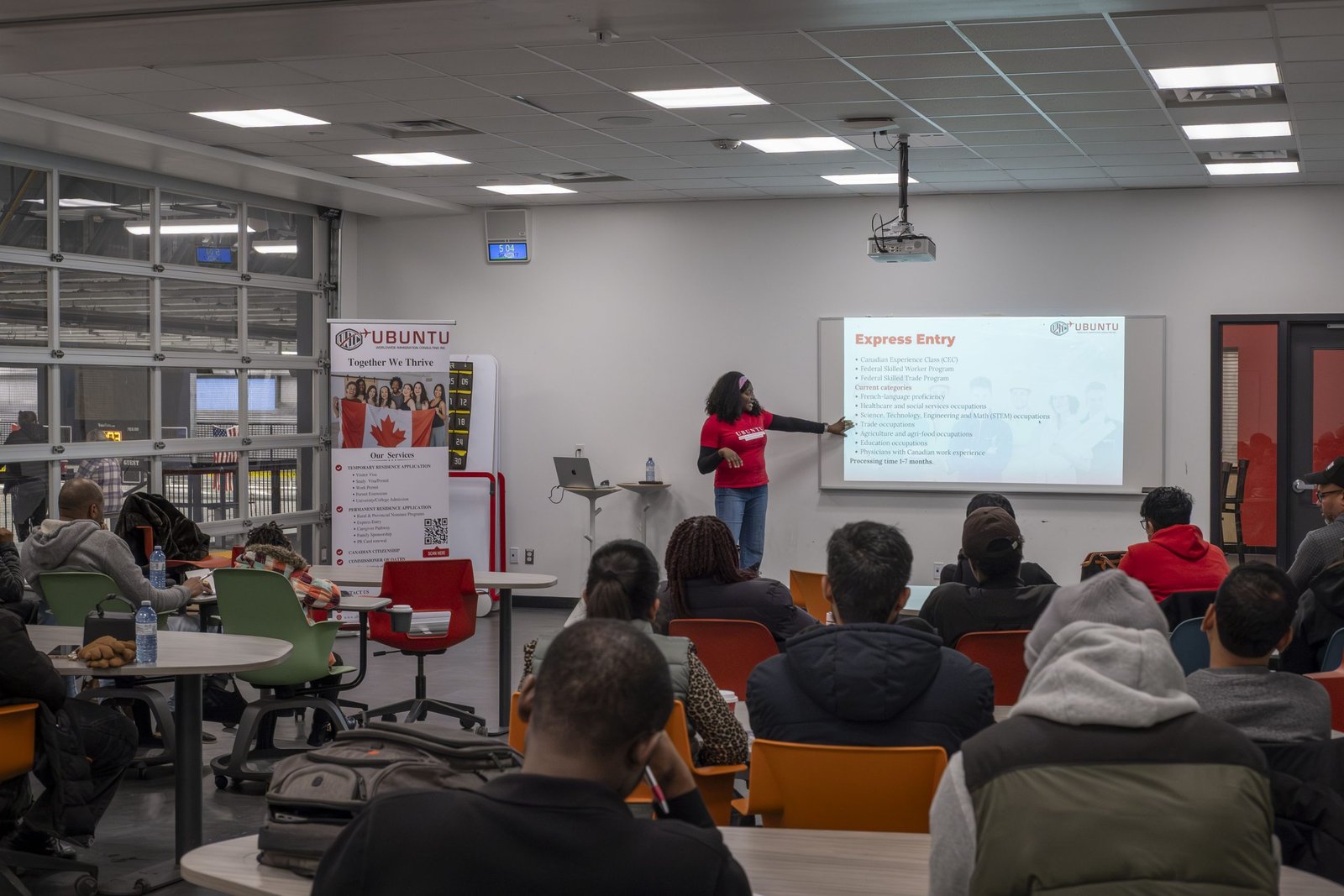
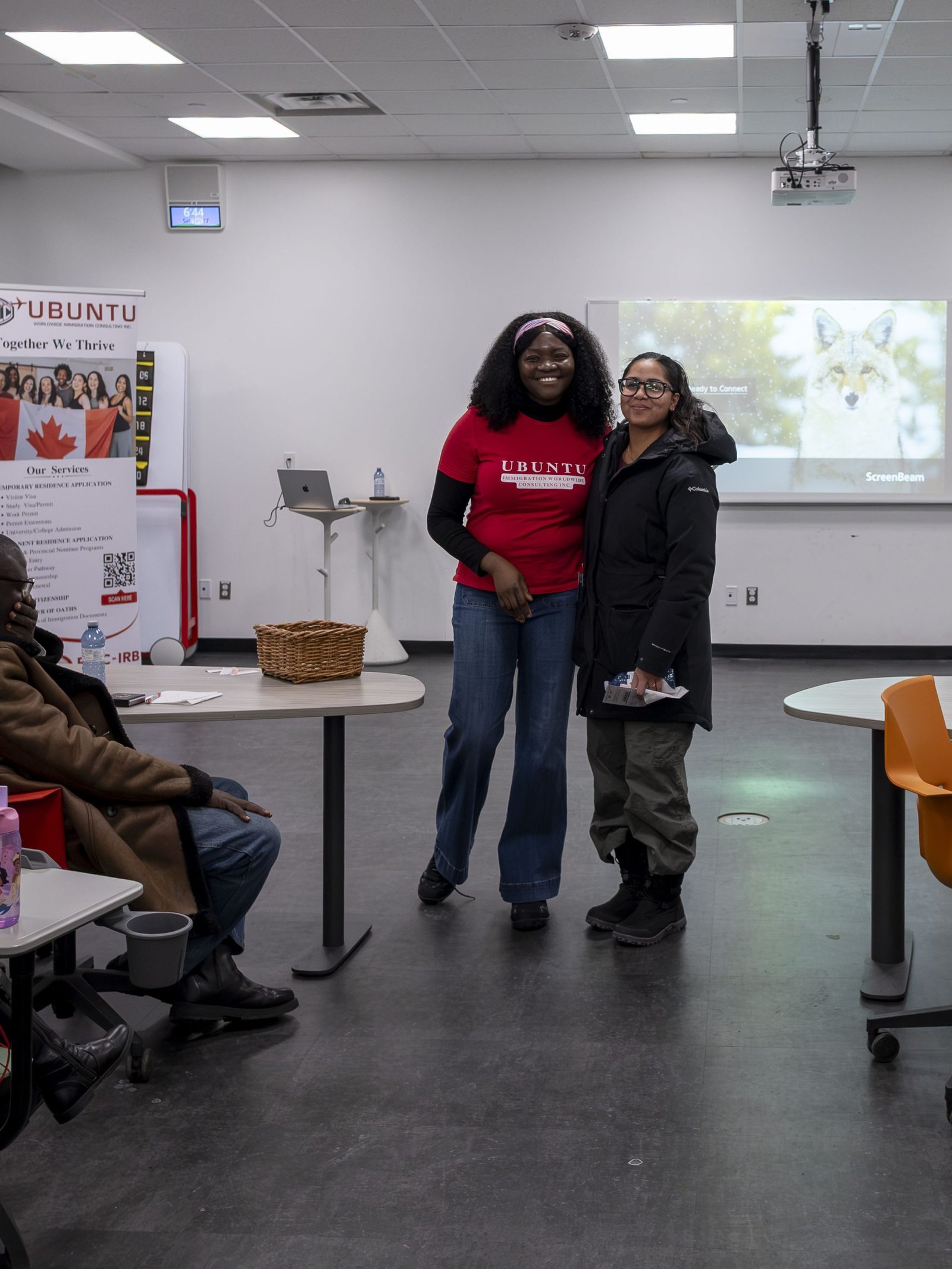
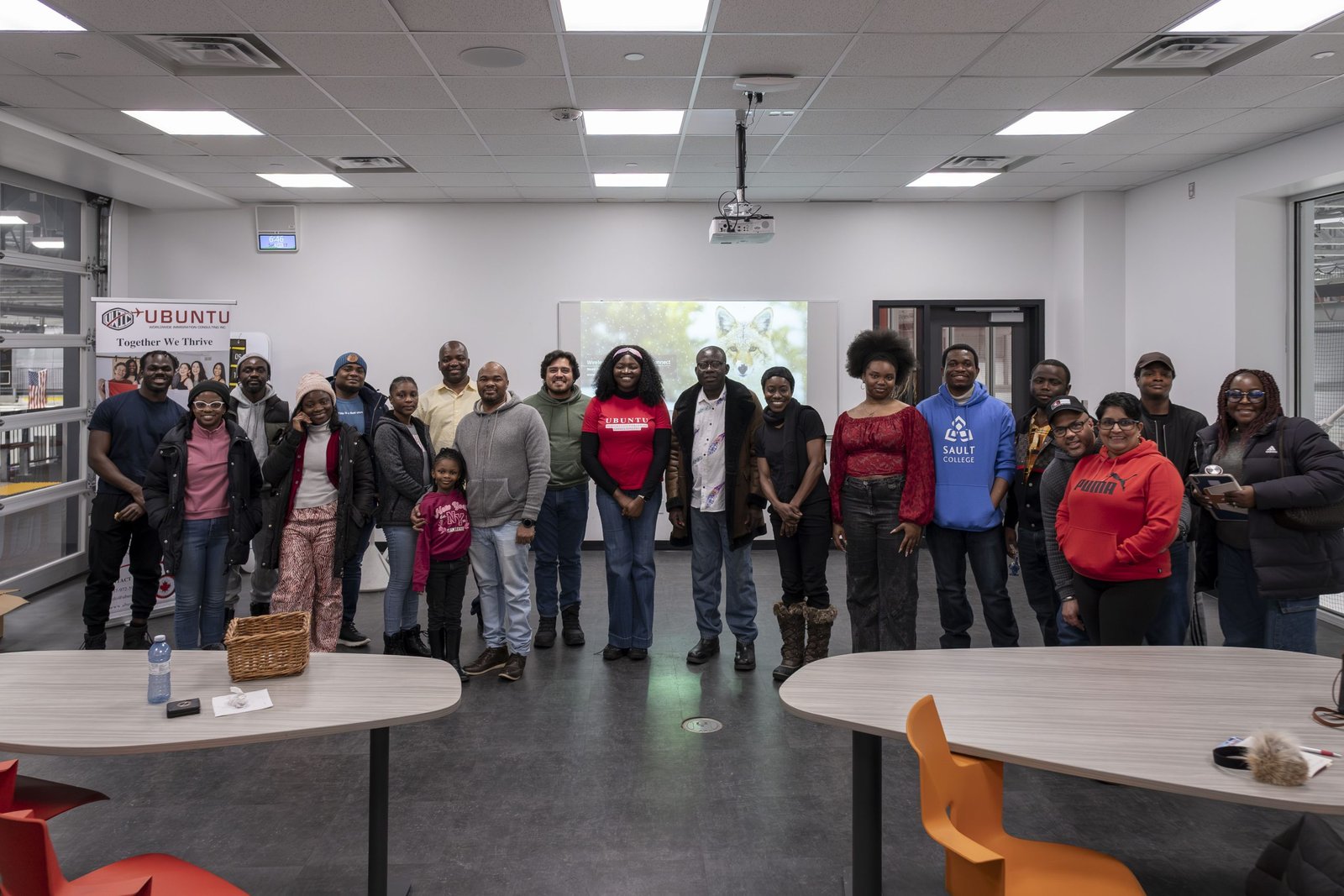
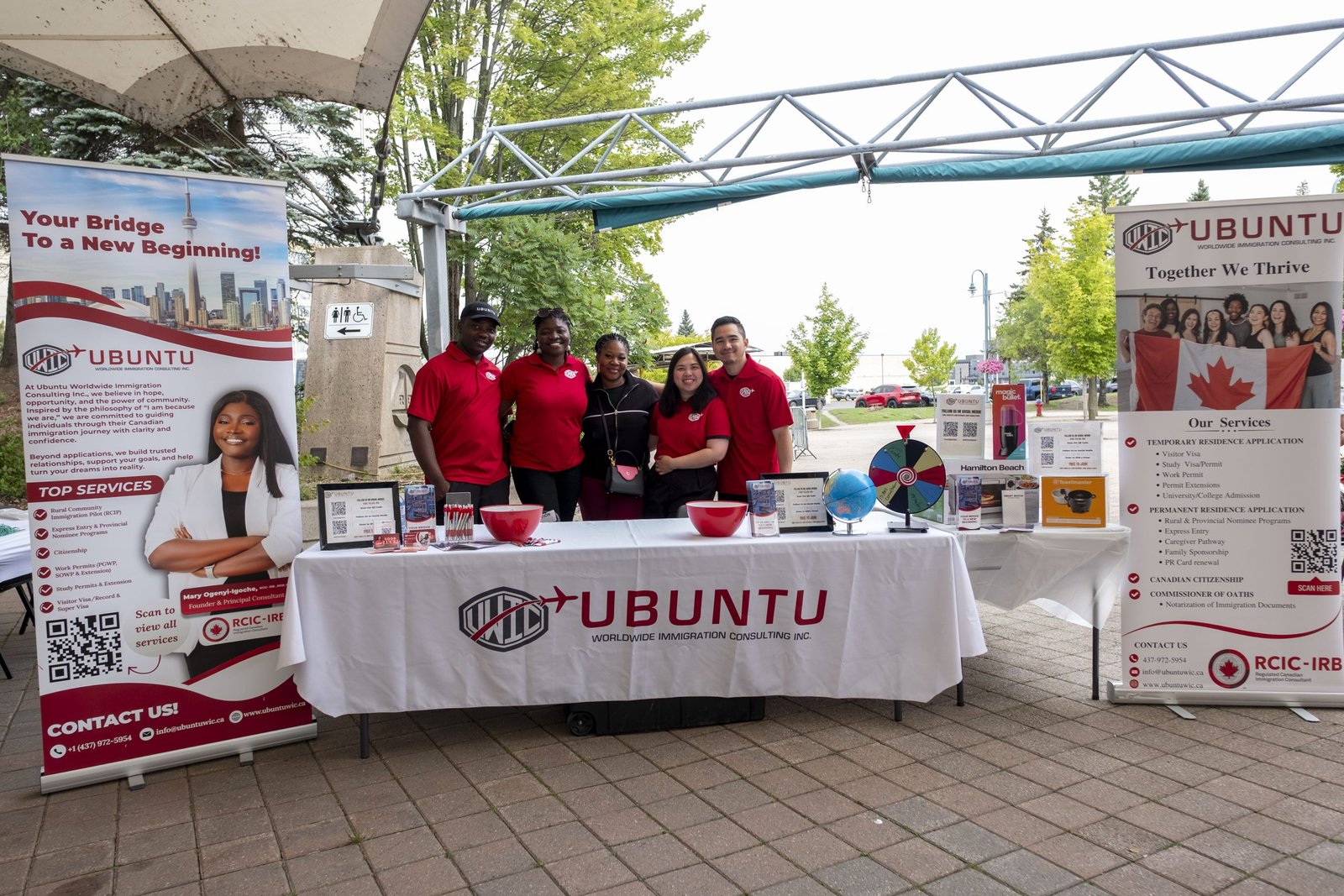
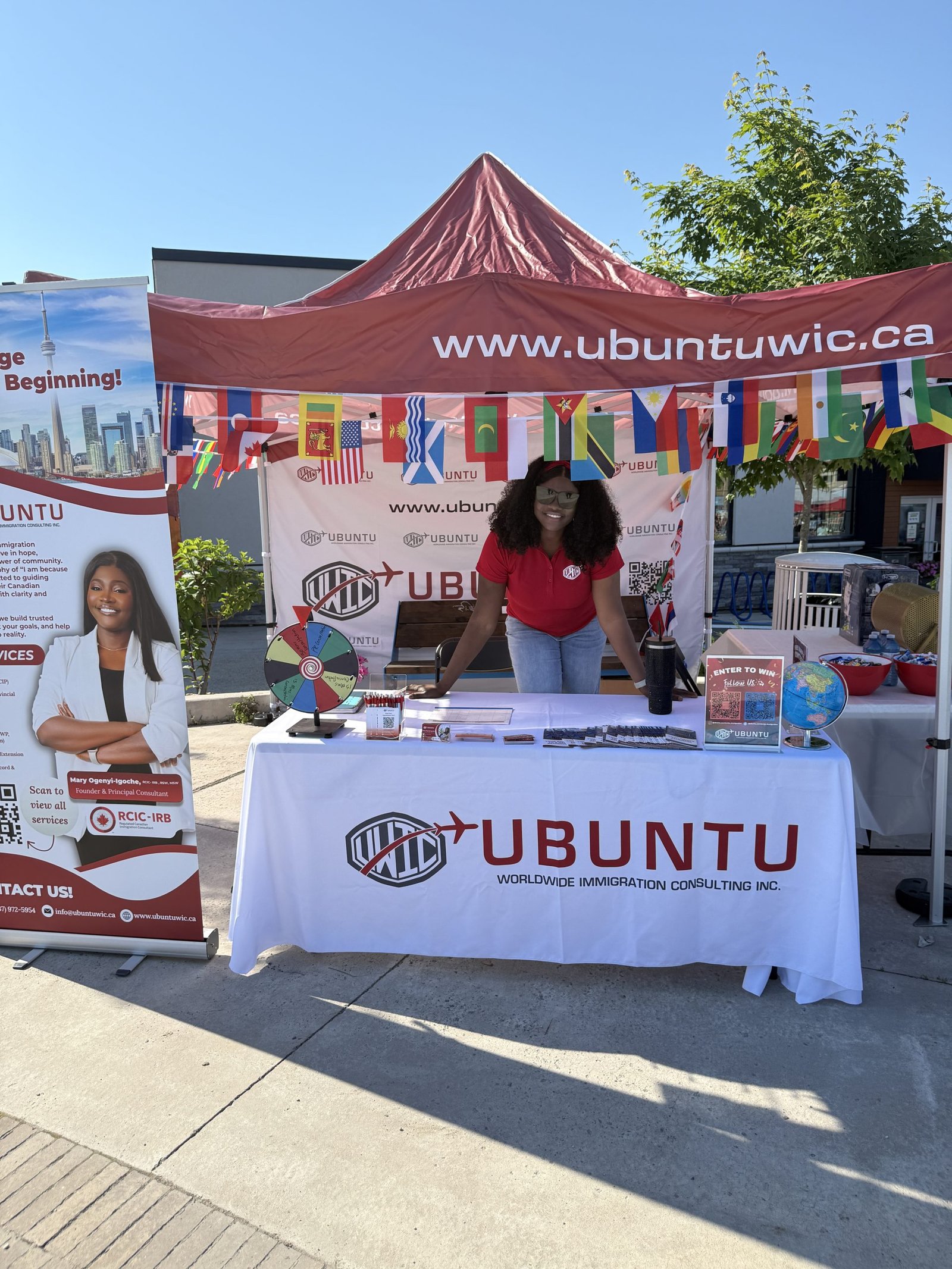
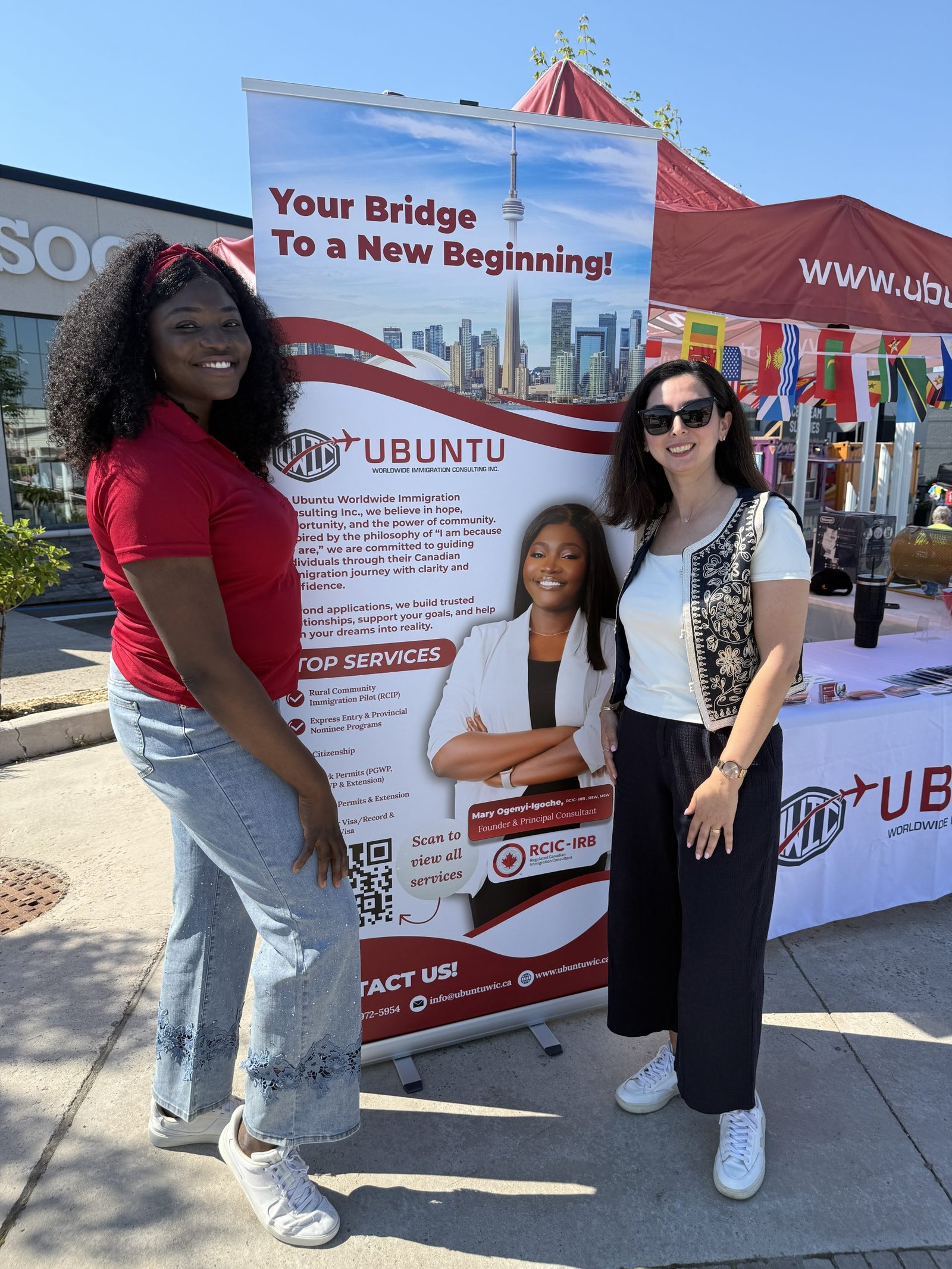
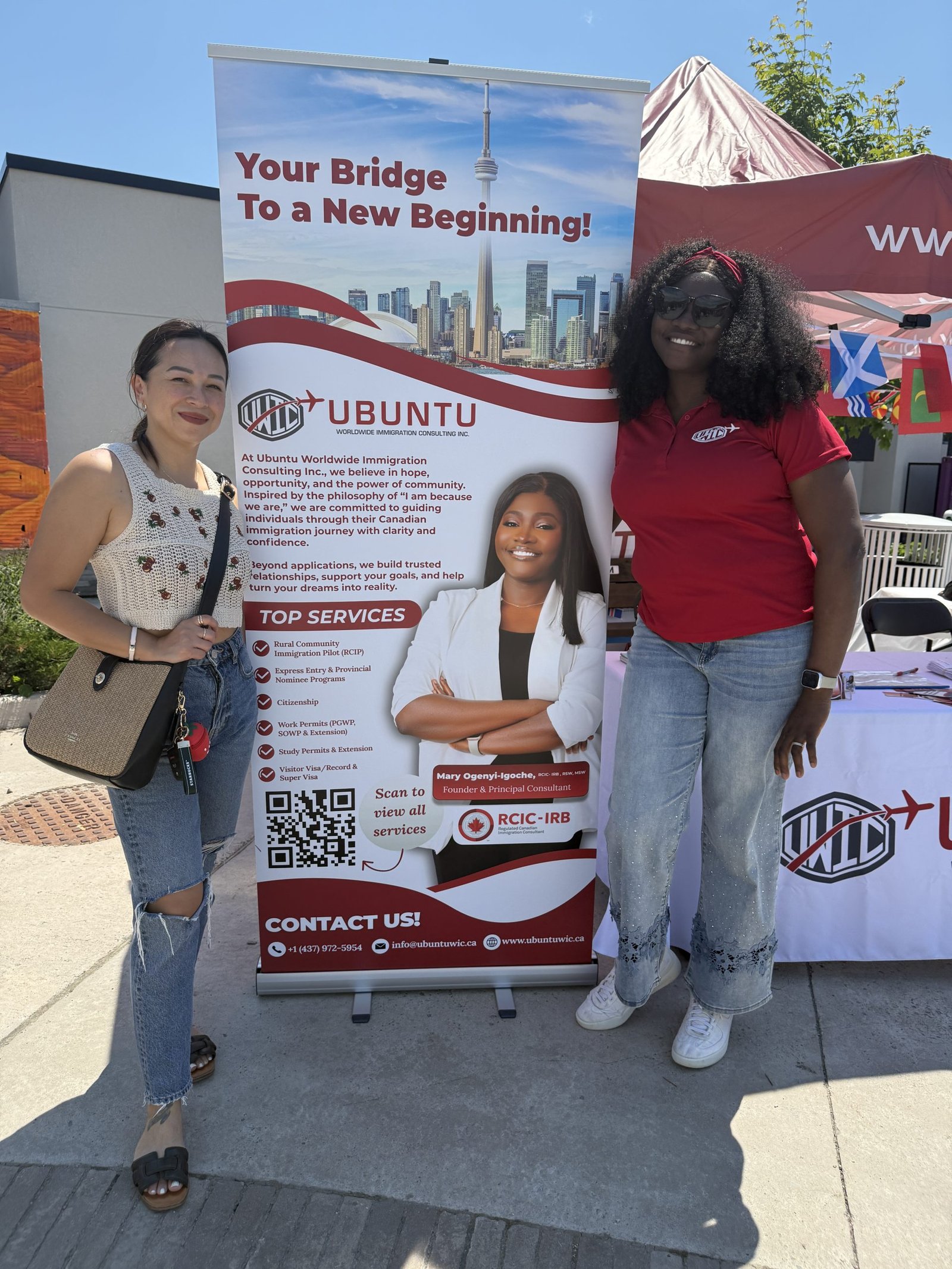
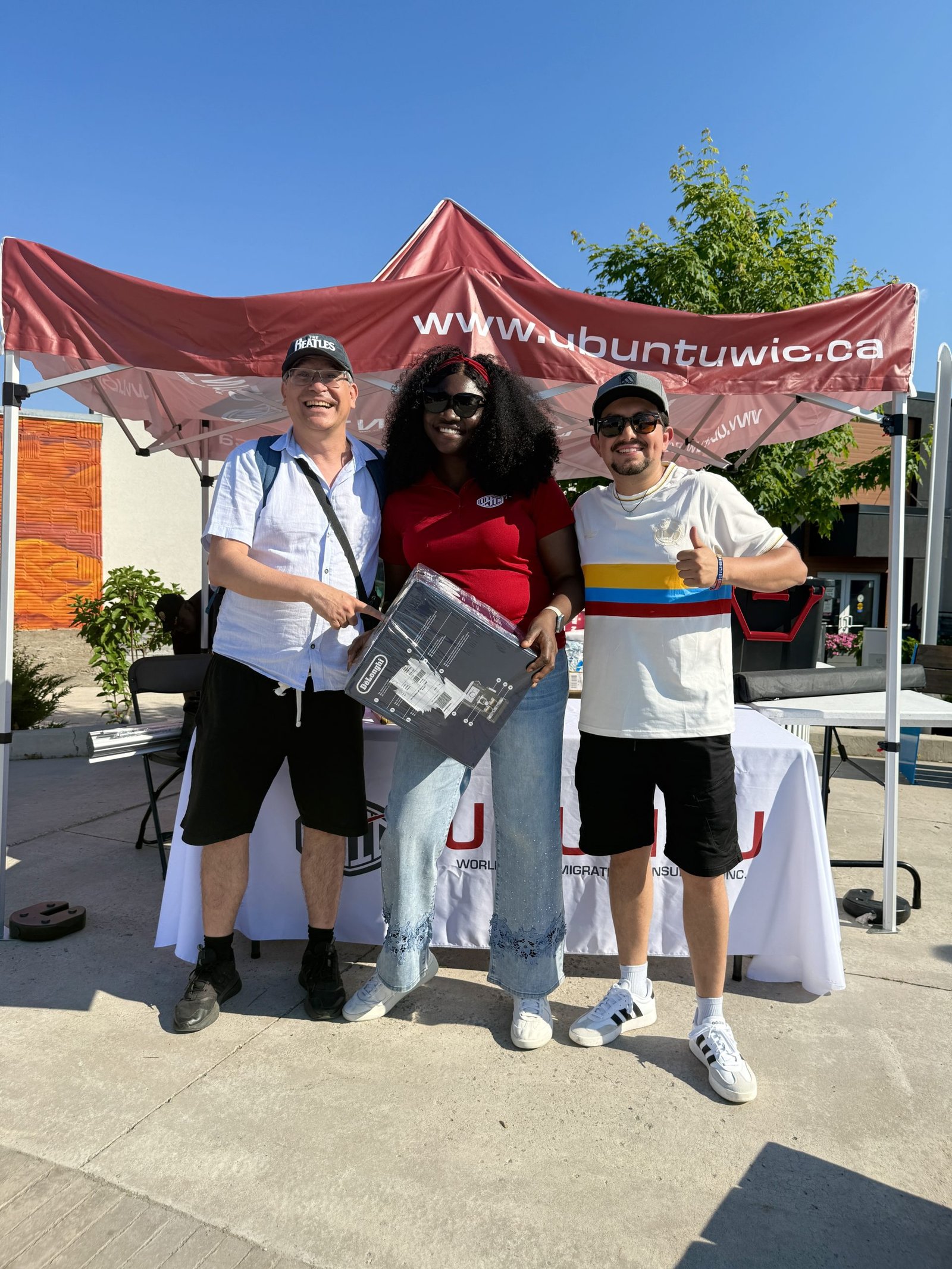
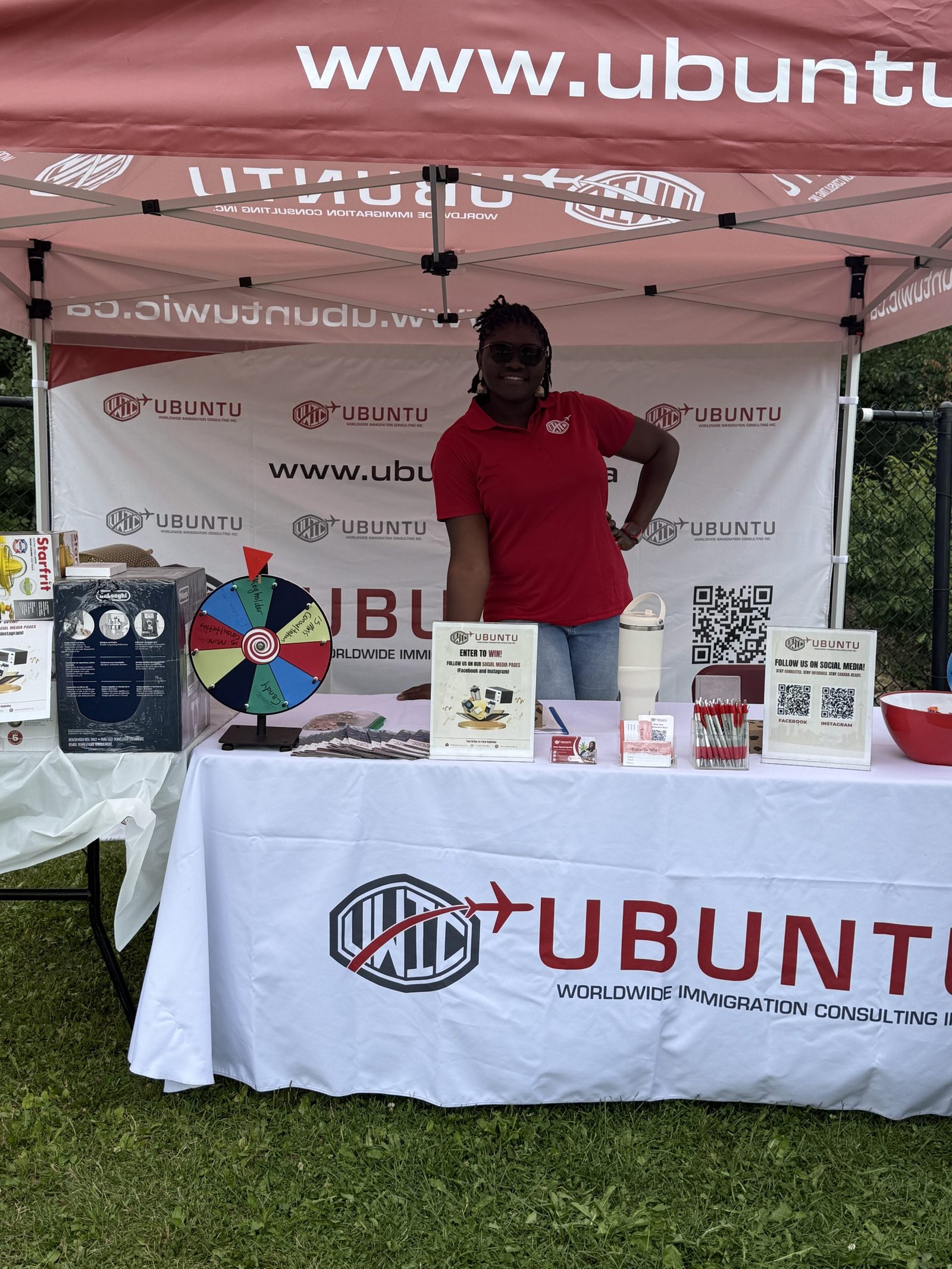
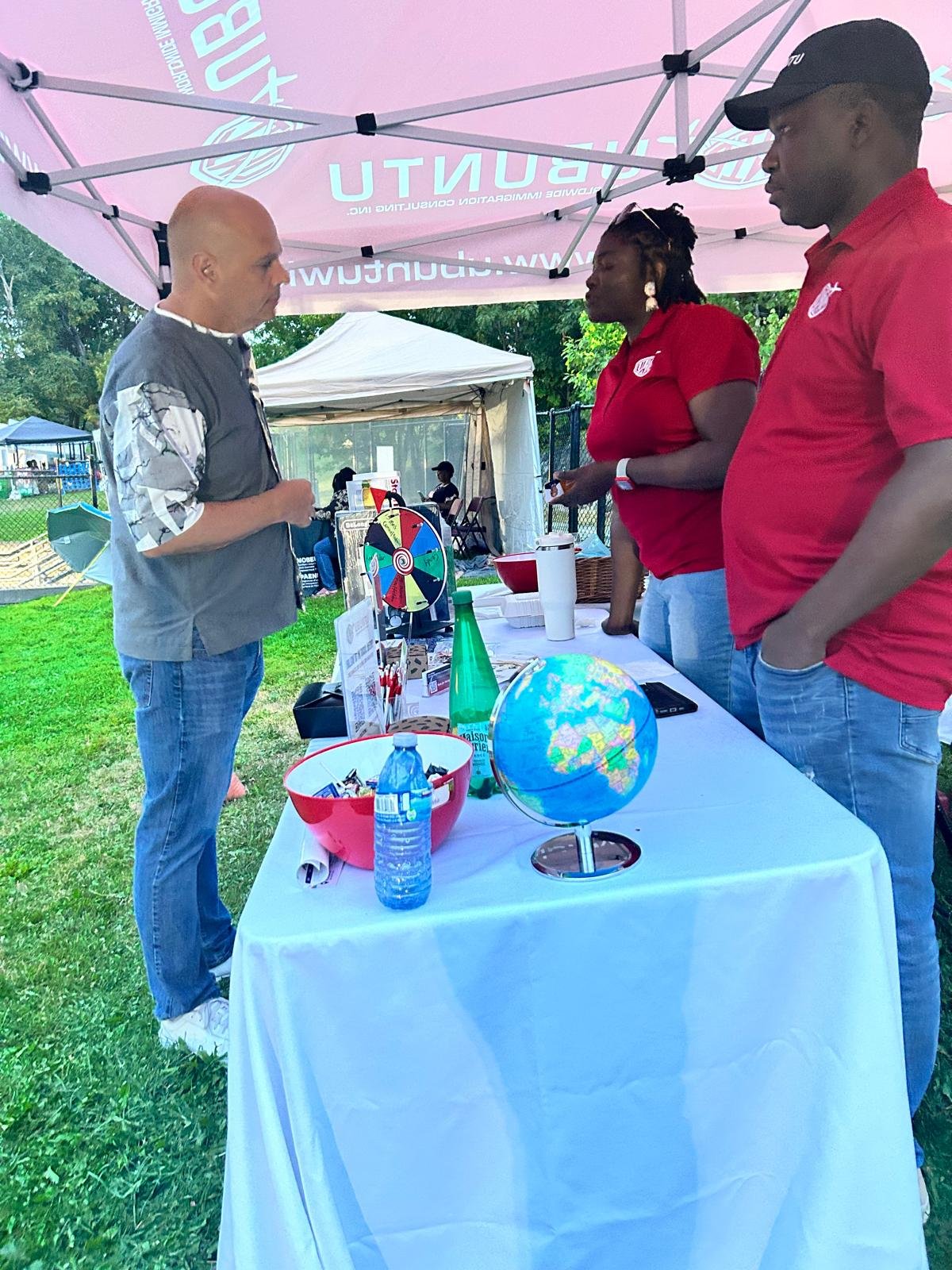
Events, Community and milestones
Information sessions, citizenship celebrations, community events and the everyday work of settling in. Hover to pause, click any photo to open it full size.
STAY INFORMED
Recent news
Atlantic provinces have paused designations, cut sectors and changed draw volumes at short notice through 2026. Follow our journal so a change does not catch you mid-application.
Zero general Express Entry draws in 895 days. Ontario pays 15 points for a northern postcode and zero for Toronto. Four rural communities will not score you at all.
Manitoba issued 474 Letters of Advice to Apply on 24 September 2026, with 417 going to engineering, architecture and IT candidates at a cut-off of 760. The more useful detail is why eligible candidates were skipped – and what the Workforce Transition Bridge means for those who were not invited.
Newfoundland and Labrador invited just 62 people on 18 September, down from rounds of 400 earlier this year. The draw size is not the story. The temporary federal measure letting PNP nominees bridge without an AOR is, and it expires on 31 December 2026.
Atlantic provinces have paused designations, cut sectors and changed draw volumes at short notice through 2026. Follow our journal so a change does not catch you mid-application.