If you fear returning to your country, you may be able to claim protection in Canada. The rules changed on 26 March 2026 and two new deadlines now decide whether your claim is even heard. This page explains them plainly, and what to do if a deadline has already passed.
She is truly nothing short of the best! From the very beginning, she has been incredibly knowledgeable, supportive, and attentive to every detail throughout my Canadian PR journey.
My case was quite complicated and, at times, I honestly felt like I had lost all hope. But she was always patient, understanding, and considerate. What makes her truly exceptional is that she doesn’t just handle the application as a process—she genuinely feels like she is living the journey alongside her clients. She understands their concerns, keeps track of even the smallest details, and always makes sure nothing is overlooked.
Trusting her with my application was one of the best decisions I made. By the grace of God, and with her expertise, dedication, and keen eye for detail, I was able to make it through a journey that once seemed almost impossible.
I am genuinely grateful for everything she has done for me and for the care and commitment she showed throughout the entire process. Her professionalism, knowledge, and dedication are truly praiseworthy. I would wholeheartedly recommend her to anyone looking for a trustworthy and dedicated immigration consultant.
Forever grateful for her guidance and support! ❤️
It’s was really a great experience having Ubuntu worldwide immigration consulting firm walk me and my family through the process of a successful new chapter from the very first step of consultation throughout the requirements to application for my family visa
We are grateful to have your experienced hands direct and lead us through the right path.
I am glad our application is worthy to be part of your success story
Many more successful applications to go 🙏
My experience with Ubuntu Worldwide Immigration Consulting was truly positive. From the beginning, they guided my family through the process with patience, professionalism, and genuine care. I especially appreciated how they took the time to answer our questions and keep us informed. Seeing our application approved was a very happy moment for my family, and I’m grateful for their support throughout the journey. I would gladly recommend their services to others.
I am truly grateful to Ubuntu Worldwide Immigration Consulting for their support throughout my family’s immigration journey. After experiencing previous refusals, we finally received approval for my husband and children, and this means so much to our family.
The team was professional, supportive, patient, and responsive throughout the process. They guided us carefully and gave us confidence even when the journey felt challenging.
Thank you to the entire Ubuntu team for helping us reach this important milestone. I sincerely appreciate your dedication and would gladly recommend your services to anyone looking for reliable and professional immigration support. ❤️🙏🏽
I honestly don’t know where to begin because it is difficult to put into words just how grateful I am for the support I received throughout my PR journey.
Immigration can come with so much uncertainty. There is so much information online, different experiences from different people, and sometimes your own previous experiences can leave you with more questions than answers. From the beginning, however, Mary brought a level of reassurance, patience, professionalism, and confidence that made such a difference for me.
What stood out most was how knowledgeable and thorough she was. She paid attention to the details, took the time to address every concern I had, and never made me feel like I was asking too many questions. Even when I needed extra reassurance or wanted to be certain that every aspect of my application had been properly considered, she remained warm, approachable, and patient. She never rushed me or dismissed my concerns. Instead, she explained things clearly and gave me the confidence to trust the process.
Her knowledge and experience were evident in the way she handled my application from beginning to end. I always felt that it was being handled with care and that nothing was being overlooked. She made what could easily have been an overwhelming and stressful journey feel much more manageable.
I am incredibly grateful that I chose to work with her and stayed the course with her, and I wholeheartedly recommend her to anyone looking for an immigration professional.
I am so glad our paths crossed, and I cannot thank her enough for being such an important part of this journey.
Thank you so much, Mary, for everything. You were truly amazing from beginning to end.
I had an excellent experience working with Ubuntu worldwide Immigration. Mary was incredibly efficient, professional, and detail-oriented throughout the entire process.
Her communication was flawless. She always responded promptly, explained each step clearly, and made sure I was informed along the way. Her attention to detail and expertise made what could have been a very stressful process feel smooth and manageable.
Thank you for helping me reach such an important milestone!
I know I’m a little late in writing this review, but I truly wanted to take the time to thank Mary and everyone at Ubuntu Worldwide Immigration Consulting Inc. for the support and guidance they gave me throughout our application.
Mary was an incredible help from start to finish. What I appreciated most was how genuinely she cared about our application. She was always professional, knowledgeable, patient and thorough, and she made sure I understood the process every step of the way. Going through an immigration application can be stressful, but having someone like Mary guiding me gave me a lot of confidence and peace of mind.
I’m sincerely grateful for all her hard work and support. Thank you, Mary, for helping us through such an important process. I truly appreciate everything you have done for us and would wholeheartedly recommend you and UWIC to anyone looking for trustworthy and genuine immigration support.
If I could give Mary & UWIC 100 stars, I would give her. She is truly more than just a consultant, she is someone we trusted with our future, and she never once let us down.
Having worked with different consultants before, we know how much of a difference the right person can make. Mary is exceptional. She doesn’t simply look at paperwork and tell you what to submit. She takes the time to carefully study your documents, understand your circumstances, create a thoughtful plan, and guide you through every step with genuine care and understanding.
What makes her even more special is that she understands the immigrant journey personally. She knows the uncertainty, the sacrifices, the hopes, and the dreams that come with building a new life in Canada because she was once an immigrant herself. That understanding made us feel heard, respected, and never alone throughout the process.
There were moments when we felt anxious about our future, but Mary always gave us reassurance and confidence. Her knowledge, dedication, honesty, and compassion made all the difference.
Thank you, Mary, for believing in us, guiding us, and helping make our Canadian dream come true. We will always be grateful for everything you have done for us. ❤️
From honest , research-based advice, through proper guidance and effective communication, to excellent attention to detail, UWIC's immigration consultancy services that prioritize the interests of clients are simply top-notch. Where's the 6th star already?
UPDATE
Thanks to the expert guidance of Ubuntu's Mary , my family and I now have a different, delightful story about our Canada journey.
I, along with my daughter, had accompanied my wife who was traveling to study in Canada, the implication being that my wife had to be the propeller for the rest of the family towards status retention/extensions, as well as Permanent Residence. Mary relentlessly looked out for alternative pathways and opportunities, never giving up even when we were going to. I became the principal applicant for our PRs, and Ubuntu handled everything. As of today, August 26, 2026, with my wife completing her studies only 2 months ago, we are now Permanent Residents of Canada. I still have 2 solid years of work permit which I do not need anymore, and my wife never got to need a Post Graduate Work Permit. How did we do it? Ask Ubuntu. They are the best.
I HIGHLY recommend Ubuntu Worldwide Immigration Service. They assisted my family in processing my parent’s visitor’s visa. The entire experience from start to finish was exceptional. Mary was professional, responsive, knowledgeable and genuinely committed to whole process.
What impressed me the most was Mary’s ATTENTION TO DETAILS and her willingness to answer questions, and provide reassurance throughout the process. Mary made the whole process stress-free!
Thank you Ubuntu Worldwide Immigration Consulting!
I am committed to spreading the good work your team do, Mary.
Curtis Obadan
We had an absolutely wonderful experience working with Ubuntu. She is a true professional who is incredibly attentive, kind, and genuinely cares about her clients. Her positive attitude and dedication made a lasting impression on us, and she made everything feel completely stress-free. We cannot thank her enough for her exceptional service. I highly recommend her to anyone looking for a top-notch experience!
I am incredibly grateful to Ms. Mary for helping me achieve my Canadian Permanent Residency. She is truly a master of her profession, and her knowledge, professionalism, patience, and dedication made my immigration journey much easier and less stressful. From the beginning, Ms. Mary personally took care of my file and guided me through every stage of the process. She made sure that everything was prepared correctly and followed up step by step until I finally received the positive response from IRCC. Her support and confidence throughout the process meant a lot to me. I highly recommend Ms. Mary to anyone looking for trustworthy and professional immigration guidance, whether for a student visa, work permit, PR, or citizenship. A huge kudos to the entire Ubuntu Worldwide Immigration Inc. team for their outstanding service and dedication. Thank you, Ms. Mary, for helping make my Canadian dream a reality. I strongly recommend your services to everyone. God bless you and your team.
Ubuntu Worldwide Immigration Consulting Inc., and especially Mary, made our PR application under RCIP a success from start to finish. The journey was intense and there were moments of uncertainty, but Mary was patient, considerate, and always kept us on track, even pushing us when we needed it most.
She was thorough, responsive, and genuinely invested in our success, not just as a client but as people trying to build a life here. Thanks to her guidance and expertise, our PR application was approved, and we couldn't be more grateful.
We wholeheartedly recommend Mary and Ubuntu Worldwide Immigration Consulting to anyone pursuing their Canadian dream. Wishing the company continued growth so more families can experience the same care and dedication we did.
Thank you, Mary, for everything! God bless you! ❤️
I had an excellent experience with Ubuntu Worldwide Immigration Consulting Inc. throughout my PR application process. Mary was professional, responsive, and highly knowledgeable about Canadian immigration requirements. She guided my family and me through every step of the process, ensuring that all our documents were accurately prepared and submitted on time. She consistently kept us informed about the progress of our application and was always available to answer our questions.
What I appreciate most is her dedication and genuine commitment to helping families succeed. Thanks to her expertise and support, our children were also able to join us in Canada, which meant everything to us. Her guidance made what could have been a stressful and overwhelming process much smoother and more manageable.
I am truly grateful for Mary's hard work and professionalism, and I highly recommend her services to anyone seeking trusted and reliable assistance with Canadian immigration.
I had one of the best experiences working with Ubuntu. if I could give more than 5 stars I would. A true lifesaver. The peace of mind given settled all my fears. Communication is great and service is the impeccable. Mary made the entire journey stress free and I'm can't wait to work with her again.
Thank you so much, Mary, for making the whole student permit application process for my son so smooth. I was honestly so anxious these past few weeks while waiting for the result, and receiving his approval brought me so much relief and happiness.
I’m truly grateful for your guidance, and support throughout the entire process. Thank you for helping make this important opportunity for my son possible. I sincerely hope you continue to help many more students and families achieve their dreams. Your hard work and dedication are truly appreciated. ❤️🙏
My experience with Ubuntu Worldwide Immigration was so amazing. I found her page on Instagram and decided to use her for my application and everyday I remain grateful to myself for taking that decision because her customer service is so excellent,she listens and explains everything you need clarity on and to the glory of God my PGWP and my husband’s work permit extension was approved. I highly recommend her 100% and honestly your satisfaction & fulfilment is guaranteed.
Ubuntu handled my mother's visa application process with topmost professionalism and outstanding attention to detail.
Mary maintained a respectful demeanor and kept communication clear and prompt all through.
Mary ensured we put in a strong application especially since my mum had a previous refusal. Mary loves and is excellent at what she does and its evident in the amout of time she spent to ensure we got a favorable result.
Thank you for making this family reunification a reality.
Mary of Ubuntu Worldwide is very very good at what she does. After a diy visitor visa refusal for my mum, I went to her to help with reapplication and her expertise helped in getting an approval. If I could rate her move than 5 stars, I would.
I had a great experience with Ubuntu worldwide immigration consulting Inc. for my visa file.I was worried about my status but she always answered my every questions quickly and told me exactly what documents to prepare. She made a super stressful process so much easier. My application got approved with no issues at all. Huge thanks to the Mary — definitely use them if you need help immigrating!
I can’t thank Mary enough for all her support and hard work throughout my immigration process. She was professional, patient, and always available to answer my questions and guide me every step of the way. I truly appreciate her dedication and the care she put into helping me. I highly recommend her services to anyone looking for reliable and trustworthy support!
They were a pleasure to work with and were very responsive. They kept us updated with the application status and paid great attention to details. I highly recommend their services.
I would like to sincerely thank you, Mary, for helping me with my children's student visa applications. With your guidance and support, we received their approval, and we will soon be reunited with them.From the beginning until the end, you patiently guided me, answered all my questions, and made the entire process much less stressful. I truly appreciate your dedication and professionalism.
I will definitely recommend you to my friends and anyone looking for reliable assistance. Thank you so much for everything, and God bless you!
We had an excellent experience working with Mary of Ubuntu Worldwide Immigration Consulting Inc. for our work permit application. She was very professional, knowledgeable, proactive, and extremely organized throughout the entire process.
She patiently answered all our questions, guided us step by step, and made sure our documents were properly prepared and submitted. Her attention to detail and expertise gave us a lot of confidence and made the whole process much less stressful.
Thanks to her help, we successfully received our work permit. We are truly grateful for her support and would highly recommend Ubuntu Worldwide Immigration Consulting Inc. to anyone looking for reliable and professional immigration assistance.
Another wonderful experience with Mary at Ubuntu Worldwide Immigration Consulting Inc.! She assisted us with my Post-Graduate Work Permit application and was exceptional from start to finish.
Mary was upfront with us from the beginning, letting us know there was a strong chance we’d receive a 3-year PGWP and she was right, it was approved! However, IRCC issued the permit in line with my passport’s expiry date rather than the full three years. Her expertise meant we always knew what to expect , no surprises, just confidence in the process.
Her knowledge of immigration matters is clearly extensive, and her honesty throughout gave us real peace of mind. She was professional, responsive, and supportive at every step, always making sure we understood what was happening and why.
We’re so grateful for Mary’s help and wholeheartedly recommend her and Ubuntu Worldwide Immigration Consulting Inc. to anyone looking for reliable, trustworthy immigration support!
We are beyond grateful to Mary and the entire team at Ubuntu Worldwide Immigration Consulting Inc. for helping us in our application. Our case was complicated as our previous work permit application had been refused, and we had already lost our status. We felt hopeless and overwhelmed, but Mary helps us with kindness and patience. She took the time to listen to every detail of our situation and reassured us that there was still hope. She helps us with the application of a new work permit for my husband and an open work permit for myself.
Mary is not only incredibly knowledgeable and professional, but she also has a truly compassionate heart. Her expertise, strategic approach, and deep understanding of the immigration system gave us confidence and peace of mind throughout the entire process. She explained everything clearly and guided us every step of the way with honesty and dedication.
Thanks to Mary’s hard work and commitment, our work permit application and restoration were successfully approved. We will always be thankful for her support and for never giving up on our case.
We highly recommend Mary and Ubuntu Worldwide Immigration to anyone needing help with immigration matters such as work permits, restoration of status, RCIP-PR, student visas, and many more. You can truly trust that you are in caring and capable hands.
From the bottom of our hearts, thank you so much, Mary, Ubuntu Immigration Services, and your amazing staff.
May you continue helping and blessing more people through your excellent service!
I had one of the best experiences with Ubuntu Worldwide Immigration Consulting during my PR journey. Their commitment, guidance, and professionalism were truly outstanding from start to finish.
She is extremely reliable, knowledgeable, and experienced in immigration services. What I appreciated the most was her honesty, commitment and clear guidance — she always explained exactly what was required for my case and made sure everything was completed correctly and on time.
Whenever I had questions or concerns, she responded almost immediately and was always there to support and reassure us throughout the process. Her dedication and hard work were incredible; she genuinely puts in 101% effort to help her clients succeed.
Thanks to her excellent support and guidance, we successfully received our PR, and we are truly grateful for everything she did for us. I highly recommend Ubuntu Worldwide International to anyone looking for trustworthy and professional immigration consulting services.
Thank you very much for your exceptional support and for making our dream come true!
Mary truly went beyond my expectations in helping me achieve my goal of becoming a Permanent Resident.
I was previously a client of Ubuntu Immigration, but when I applied for my PR I was no longer a paid client. Despite that, Mary still took the time to assist and guide me throughout my application. She was always just a call away and never failed to answer my questions whenever I needed clarification.
Her sincerity, patience, and genuine willingness to help made a huge difference in my journey. She never made me feel like I was on my own during the process. Her expertise in immigration is truly remarkable, and she made sure that every requirement requested by IRCC was properly prepared, organized, and submitted in a professional manner.
Applying for PR can be stressful and overwhelming, but having someone knowledgeable and trustworthy like Mary made the process much easier and gave me confidence every step of the way. I am deeply grateful for her support, guidance, and kindness.
If you are looking for someone reliable, professional, and truly dedicated to helping their clients succeed, I highly recommend Mary. Thank you for being such a big part of my journey.
1000% highly recommended!
READ THIS FIRST
What changed, and why timing now matters
Law changed · 26 March 2026
Two deadlines now decide whether your claim is heard at all
Bill C-12 received royal assent on 26 March 2026 and added two new grounds on which an asylum claim is not referred to the Immigration and Refugee Board. They apply to every claim made on or after 3 June 2025, including claims already in the system.
If either rule catches you, there is no hearing and no appeal. Your only risk assessment is a paper review, and you cannot even ask for it until a border officer tells you that you may. That is why the timing of a claim now matters as much as its merits.
If you are already in Canada and thinking about claiming, the single most useful thing you can do is get advice today rather than next month.
In force · IRPA s.101(1)(b.1)
The one-year rule
If you claim asylum more than one year after you first entered Canada, your claim is not referred to the Board.
Applies where you entered Canada after 24 June 2020
Applies even if you left Canada and came back
With several entries, the clock starts the day after your first entry, not your most recent one
Unaccompanied minors are exempt
Who this catches: people who came on a study or work permit or as a visitor, whose situation at home worsened later, and who waited. The clock has often already been running for years without them knowing.
In force · IRPA s.101(1)(b.2)
The 14-day rule
If you crossed into Canada between official border posts from the United States and claim 14 days or more after entering, your claim is not referred to the Board.
Applies along the Canada and United States land border, including waterways
Separate from the Safe Third Country Agreement, which already applies to claims made at a land border post
Unaccompanied minors are exempt
Note: if you crossed irregularly and claim within 14 days, the Safe Third Country Agreement usually applies instead, and you are normally returned to the United States unless you fit one of its four exceptions.
If a deadline has passed, you still have options, and you should not give up
Being ineligible for a Board hearing is not the end. A Pre-Removal Risk Assessment remains available to people caught by these two rules, because the law only bars it for Safe Third Country cases. A humanitarian and compassionate application may also be possible, though it is barred while a PRRA is pending.
These routes are technical, the deadlines are short, and the evidence has to be assembled properly the first time. This is precisely the situation where getting licensed help early changes the outcome.
CHECK YOUR POSITION
How much time do you have?
Nothing you type here is sent anywhere, saved, or seen by us. It runs entirely in your own browser.
Eligibility and deadline checker
Three questions. This tells you whether the two new rules affect you, how long you have left if they do not, and what remains available if they do. Nothing you enter is sent anywhere or stored.
Use your first entry, not your most recent one. If you have entered several times since 24 June 2020, the one-year clock runs from the first of those entries.
HOW A CLAIM ACTUALLY WORKS
From claim to decision
Making a claim
A claim can be made at a port of entry, meaning an airport, land crossing or marine port, or from inside Canada through the IRCC online portal. In 2025 about two thirds of claims were made inland rather than at the border.
BiometricsRequired for everyone aged 14 and over
Medical examWithin 30 days, paid by the health programme
Travel documentsHeld by IRCC until a final decision
Removal orderIssued but conditional if your claim is eligible
At the eligibility interview an officer decides whether your claim can be referred to the Board. If it is eligible you receive an Acknowledgement of Claim, and a removal order is issued but does not take effect while your claim proceeds.
Withdrawing is permanent. You may withdraw a claim at any time before a decision, but IRCC is explicit that once you do, you cannot claim asylum in Canada again. Never withdraw on someone else's advice without speaking to a licensed representative first.
The Basis of Claim form
This is the document your entire case rests on. It sets out who you are, what happened to you, what you fear, and why your own country cannot protect you. Every adult claimant needs their own form.
Port of entry claimsDue within 15 days, or as your documents instruct
Online claimsUploaded with the claim itself
If you miss itThe Board may declare your claim abandoned
Each personNeeds a separate form, including adult family members
Follow the deadline written on your own documents. Older extensions to this deadline have been archived by the Board, and advice circulating online may be out of date. Your paperwork governs.
Inconsistencies between this form and what you say at your hearing are the most common reason a claim fails on credibility. It is worth taking time over, in your own language, with interpretation if needed.
The Refugee Protection Division hearing
If your claim is referred, the Refugee Protection Division decides whether you are a Convention refugee or a person in need of protection. Hearings are private and are not open to the public.
Convention refugee: a well-founded fear of persecution based on race, religion, nationality, political opinion, or membership of a particular social group. That last ground covers sexual orientation, gender identity, being a woman, and HIV status.
Person in need of protection: a danger of torture, a risk to life, or a risk of cruel and unusual treatment or punishment.
You will be asked detailed questions about your account. The Board is assessing credibility, whether your fear is objectively well founded, and whether you could have found safety elsewhere in your own country.
Waiting times are long. At the end of July 2026 there were 268,058 claims pending, down from a peak of 300,347 in December 2025. IRCC's own transition material states that claimants could wait over three years for a decision. There is no published service standard.
Appealing a refusal
Most refused claimants can appeal to the Refugee Appeal Division, which usually decides on the written record rather than at a new hearing. The deadlines are short and strict.
Notice of appeal15 days from receiving the decision
Appellant's record45 days from receiving the decision
Board's targetDecide within 90 days of having everything
Federal Court15 days to seek judicial review
You cannot appeal to the Refugee Appeal Division if:
your claim was withdrawn or abandoned
the decision says your claim has no credible basis or is manifestly unfounded
you claimed at a land border with the United States and were referred as a Safe Third Country exception
you are a designated foreign national, or the decision concerned a Minister's cessation or vacation application
If you cannot appeal, judicial review at the Federal Court may be the only route, and you have 15 days. Get advice the day you receive a refusal, not the week after.
Working, studying and healthcare while you wait
Given the waiting times, these matter a great deal in practice.
Open work permitFree, and requested inside your online claim
When it is issuedOnce your claim is eligible and your medical is passed
Children in schoolNo study permit needed for kindergarten to grade 12
HealthcareInterim Federal Health Program coverage
Family members included in your claim can also apply for a work permit.
Post-secondary study needs a study permit, which is free for claimants but requires a medical exam.
For healthcare, your provider must be registered with the programme, and you must show your document at every visit.
If your claim succeeds you become a protected person and can apply for permanent residence. Be aware that reuniting with family abroad after that has been running at around 53 months, so plan for a long separation and start early.
IF THE DOOR CLOSES
What remains after a refusal
Pre-Removal Risk Assessment
A paper review of the risk you would face if removed. It is the main route left to people caught by the one-year or 14-day rules.
You cannot apply until a CBSA officer tells you that you may, usually at a removal interview
15 days to submit if you receive the form in person, 22 days if by mail
Filing on time creates an automatic stay of removal
Barred for Safe Third Country cases, and generally for 12 months after a refused claim
A positive decision usually gives protected person status
Attend every appointment. Missing a removal interview can lead to a Canada-wide arrest warrant, and you may never be told you were eligible.
Humanitarian and compassionate
An application for permanent residence based on your establishment in Canada, the best interests of any children affected, and the hardship of leaving.
Barred while a refugee claim is pending at the Board
Barred where a claim was found ineligible and a PRRA is pending, which catches much of the new cohort
Generally barred for 12 months after a refusal, with narrow exceptions for medical care and children
The officer must consider hardship but cannot consider persecution risk
It does not stop your removal. IRCC is explicit that a pending application will not delay removal. Waiting times are extremely long, with IRCC saying most new applicants can expect more than ten years.
Temporary Resident Permit
A discretionary permit allowing someone otherwise inadmissible to stay temporarily. Useful in narrow circumstances.
Granted at an officer's discretion and can be cancelled at any time
Maximum of three years
Cannot be requested while a PRRA is pending after an ineligible claim
Cannot be requested within 12 months of a refused, withdrawn or abandoned claim
Fees are waived for victims of human trafficking, victims of family violence, and former youth in state care. A trafficking victim is not required to help an investigation to obtain one.
Who is legally allowed to help you, and who is not
Since 1 July 2023, appearing before the Immigration and Refugee Board has been a restricted area of practice. Not every immigration consultant may do it.
Only consultants holding the RCIC-IRB licence may represent you at the Refugee Protection Division or the Refugee Appeal Division. Our founder holds this licence.
Lawyers and Quebec notaries in good standing may represent you, as may paralegals licensed in Ontario.
A standard consultant without the RCIC-IRB licence may not appear at the Board, though they may still assist with PRRA, humanitarian applications and permits.
Unpaid help from a friend, relative or settlement worker is allowed, but the correct form must reach the Board or they may not be permitted to act.
Verify anyone before you pay them, on the College public register. If someone guarantees you protected status, asks you to sign a blank form, or tells you to change your story, that is a reason to walk away.
IRCC's own guidance is worth repeating: “You don't need to hire a representative. Using one will not draw special attention to your application and doesn't mean we'll approve it.” Free help may be available through legal aid and settlement agencies, and for many people that is the right choice.
QUESTIONS PEOPLE ASK US
Straight answers, including the hard ones
On the face of the law, a claim made more than one year after you first entered Canada is not referred to the Immigration and Refugee Board. That rule is in force and applies to claims made on or after 3 June 2025, including claims already in the system.
But please do not treat that as the end. Several things are worth checking properly rather than assuming:
The rule applies only where your first entry was after 24 June 2020. If you first arrived before that date, it may not catch you at all. Dates are also frequently disputed, and what an officer has on file is not always right.
Even where the rule does apply, a Pre-Removal Risk Assessment remains available. The law bars a PRRA only for Safe Third Country cases, not for the one-year or 14-day rules. Unaccompanied minors are exempt from both new rules entirely.
If you have received any letter from IRCC or CBSA, take it to a licensed representative immediately. These letters carry short deadlines.
No. A Canadian asylum claim can only be made from inside Canada or at a port of entry. There is no form you can file from abroad, and anyone offering to file one for you is not telling you the truth.
The route from outside Canada is resettlement, and you cannot apply for that directly either. You must be referred by the UNHCR, another designated referral organisation, or matched with a private sponsorship group in Canada.
If you are outside Canada and at risk, registering with the UNHCR or the relevant authority where you are is the practical first step, because referrals flow from that registration.
If you have close family in Canada, a family sponsorship application may be considerably faster than any refugee route, and it is worth checking that first.
Long. At the end of July 2026 there were 268,058 claims pending at the Refugee Protection Division. That is down from a peak of 300,347 in December 2025, and the Board has been finalising claims far faster this year, but the backlog remains very large.
IRCC's own internal material states that claimants could wait over three years for a decision. There is no published service standard, so we will not quote you a figure we cannot support.
This is why the practical questions matter so much: your work permit, your children's schooling and your healthcare coverage will shape your life far more than the hearing date will, at least for the first few years.
Yes, and for most people this is the single most important practical step.
You can request a free open work permit inside your online claim. It is issued once two things happen: your claim is found eligible, and you pass the immigration medical exam. An open permit means you are not tied to one employer. Family members included in your claim can apply too. Once you have the permit, apply for a Social Insurance Number.
Your children can attend school from kindergarten to grade 12 without a study permit. Post-secondary study does need a permit, which is free for claimants but requires a medical.
Healthcare is covered by the Interim Federal Health Program while your claim is in progress. Your provider must be registered with the programme, and you need to show your document at every visit.
If your claim was found ineligible, a temporary public policy from 26 March 2026 means an existing work permit is not cancelled, and some people without one can apply.
An agreement between Canada and the United States under which each country treats the other as a safe place to claim asylum. In practice it means people arriving in Canada from the United States are usually sent back to make their claim there.
Since 25 March 2023 it applies across the entire land border, including internal waterways, not just at official crossings. That closed the route many people previously used.
There are four exception categories: certain family members in Canada, unaccompanied minors, holders of certain Canadian documents, and a narrow public interest exception mainly involving death penalty cases. The family member definition is broader than most people expect and can include siblings, aunts, uncles, nieces, nephews and grandparents.
One consequence is often missed: people found ineligible under this agreement are also barred from a Pre-Removal Risk Assessment. That is not true of the one-year or 14-day rules, which is why identifying exactly which rule applies to you matters so much.
Act immediately. Every route from here has a short deadline.
Most refused claimants can appeal to the Refugee Appeal Division: 15 days to file the notice of appeal and 45 days for the full record, both from when you received the decision. Most appeals are decided on the written record rather than at a new hearing.
Some people cannot appeal at all, including where the decision says the claim has no credible basis or is manifestly unfounded, where the claim was withdrawn or abandoned, or where you were referred as a Safe Third Country exception at a land border. In those cases judicial review at the Federal Court may be the only route, and you have 15 days to start it.
After appeal rights are exhausted, a Pre-Removal Risk Assessment may follow, though there is generally a 12-month bar. A humanitarian and compassionate application may also be possible, but it does not stop a removal.
Do not wait to see whether something changes. It will not, and the deadlines are unforgiving.
Refugee hearings at the Immigration and Refugee Board are private and not open to the public. That is a deliberate protection, because the risk of your account becoming known in your home country is itself part of what the system is guarding against.
Your conversations with a licensed representative are confidential as a matter of professional obligation. If you are worried about who might see your information, say so at the first conversation. It is a reasonable question and nobody should make you feel awkward for asking it.
One practical point: the eligibility checker on this page runs entirely inside your own browser. Nothing you type into it is transmitted to us or stored anywhere.
These are recognised grounds. Canadian refugee law treats sexual orientation, gender identity, being a woman, and HIV status as falling within membership of a particular social group, which is one of the five Convention grounds.
Claims of this kind often turn on evidence that is difficult and painful to assemble, precisely because people have spent their lives concealing the thing they are now asked to prove. A well-prepared Basis of Claim matters enormously here.
There is also a dedicated resettlement route from outside Canada: the Rainbow Refugee Assistance Partnership, extended to 31 December 2029, supports up to 50 privately sponsored LGBTQI+ refugees a year, and a separate stream operates through Rainbow Railroad.
If this is your situation, you are entitled to ask for a representative you feel safe speaking to, and to have interpretation arranged.
Alongside the rules already in force, IRCC has announced a modernised asylum process that has not yet been implemented. It would come through changes to the regulations rather than new legislation, and IRCC has said it is expected over the coming months.
The announced elements include a single simplified online application, referring only claims that are ready to be scheduled, a requirement that a claimant be physically in Canada for the Board to decide the claim, treating voluntary return to the country of alleged persecution as abandonment, removing inactive cases, and making a removal order effective the same day a claim is withdrawn.
None of this is law yet, and we will not describe it as though it were. We say so here because several sites already present these as current rules, which could lead someone to make a decision on a false basis.
We update this page when things actually change, and we date what we state.
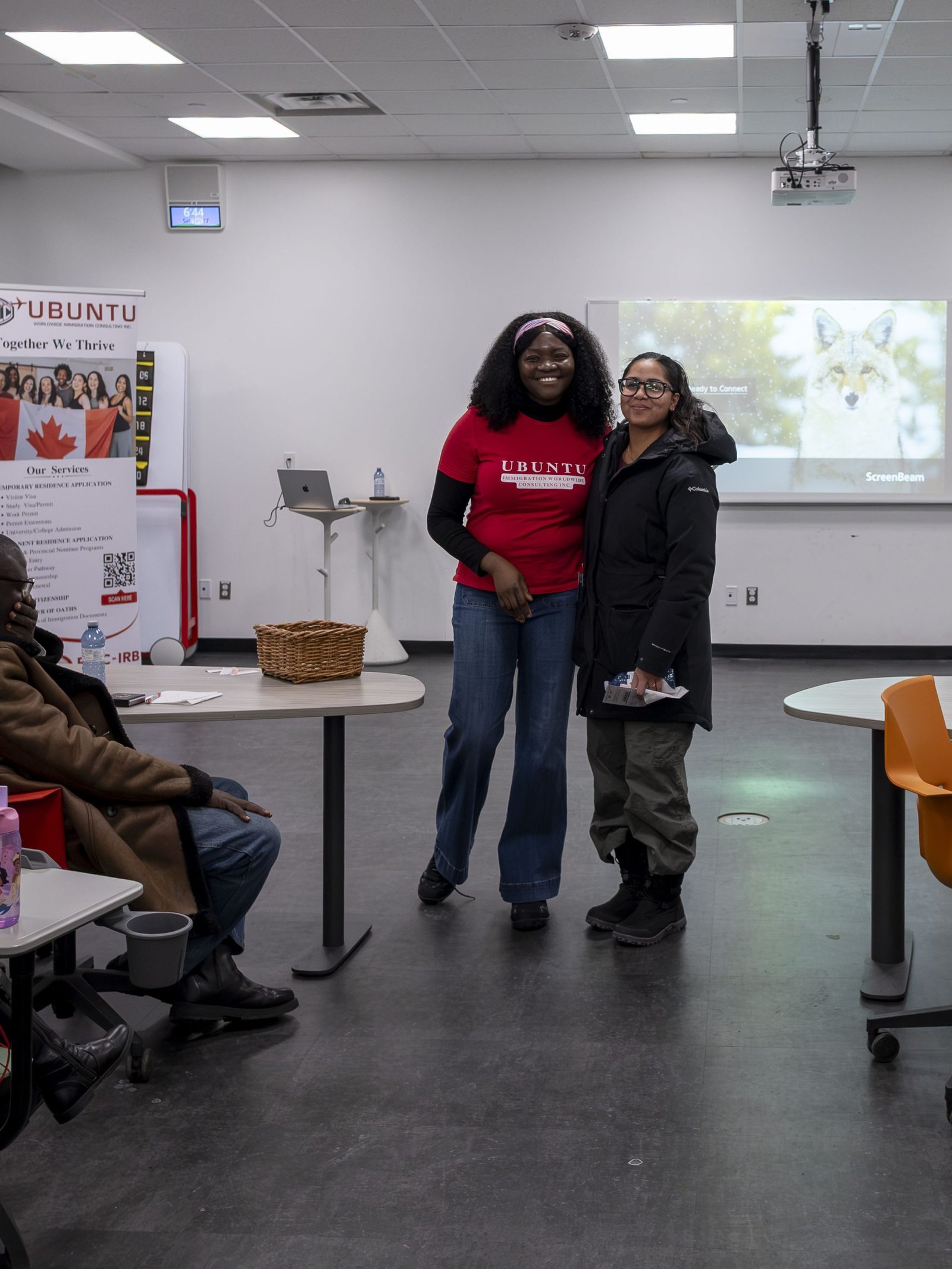
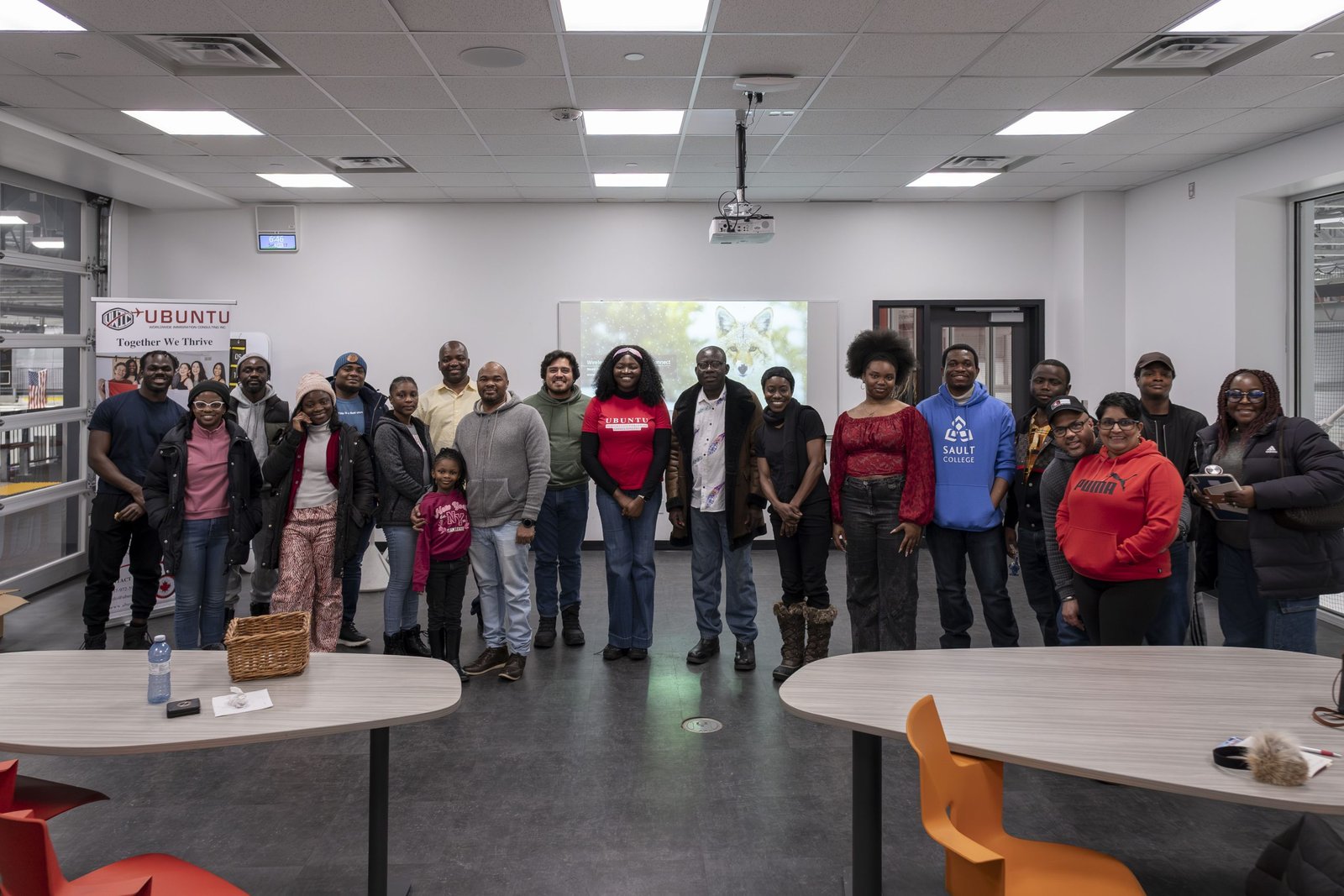
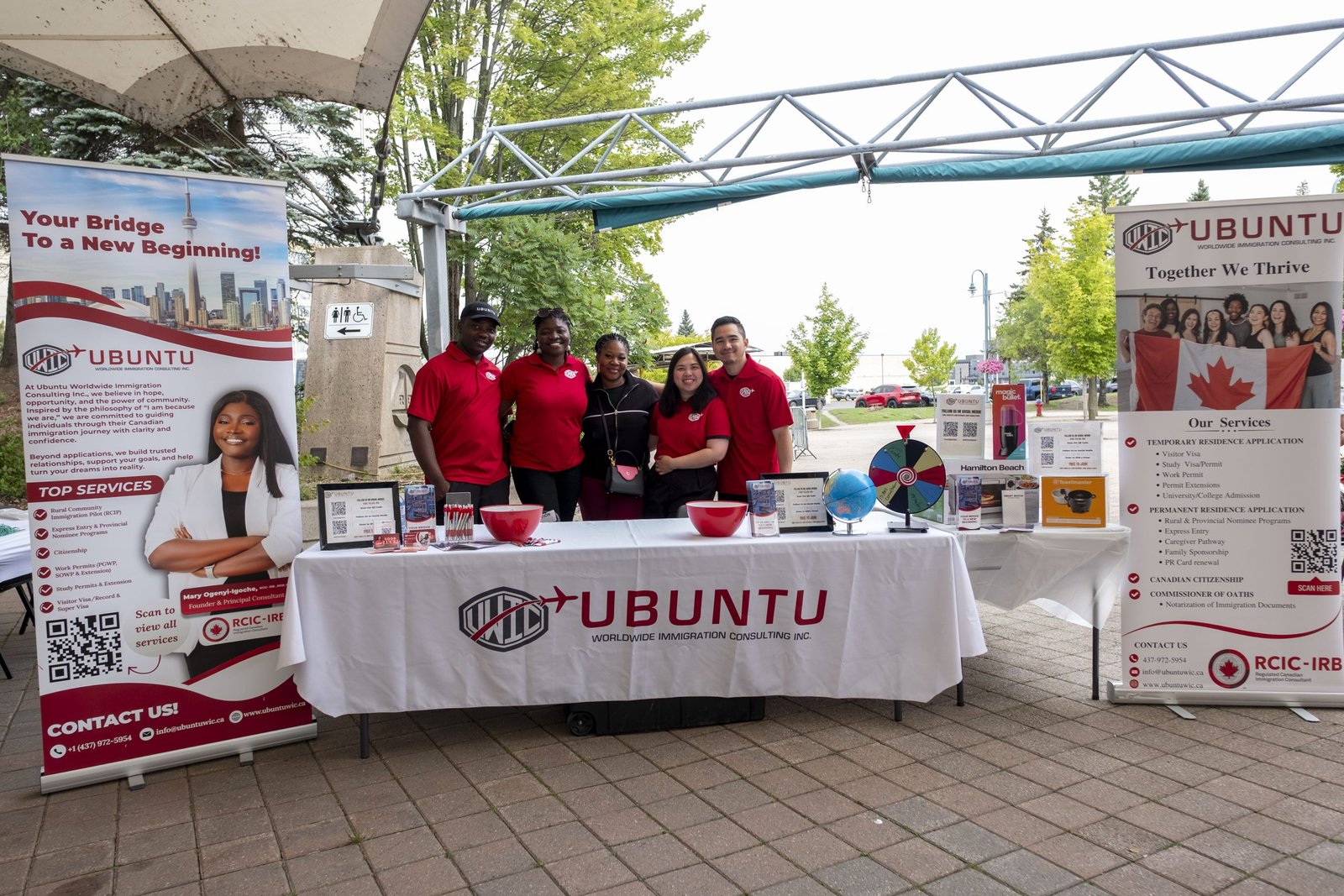
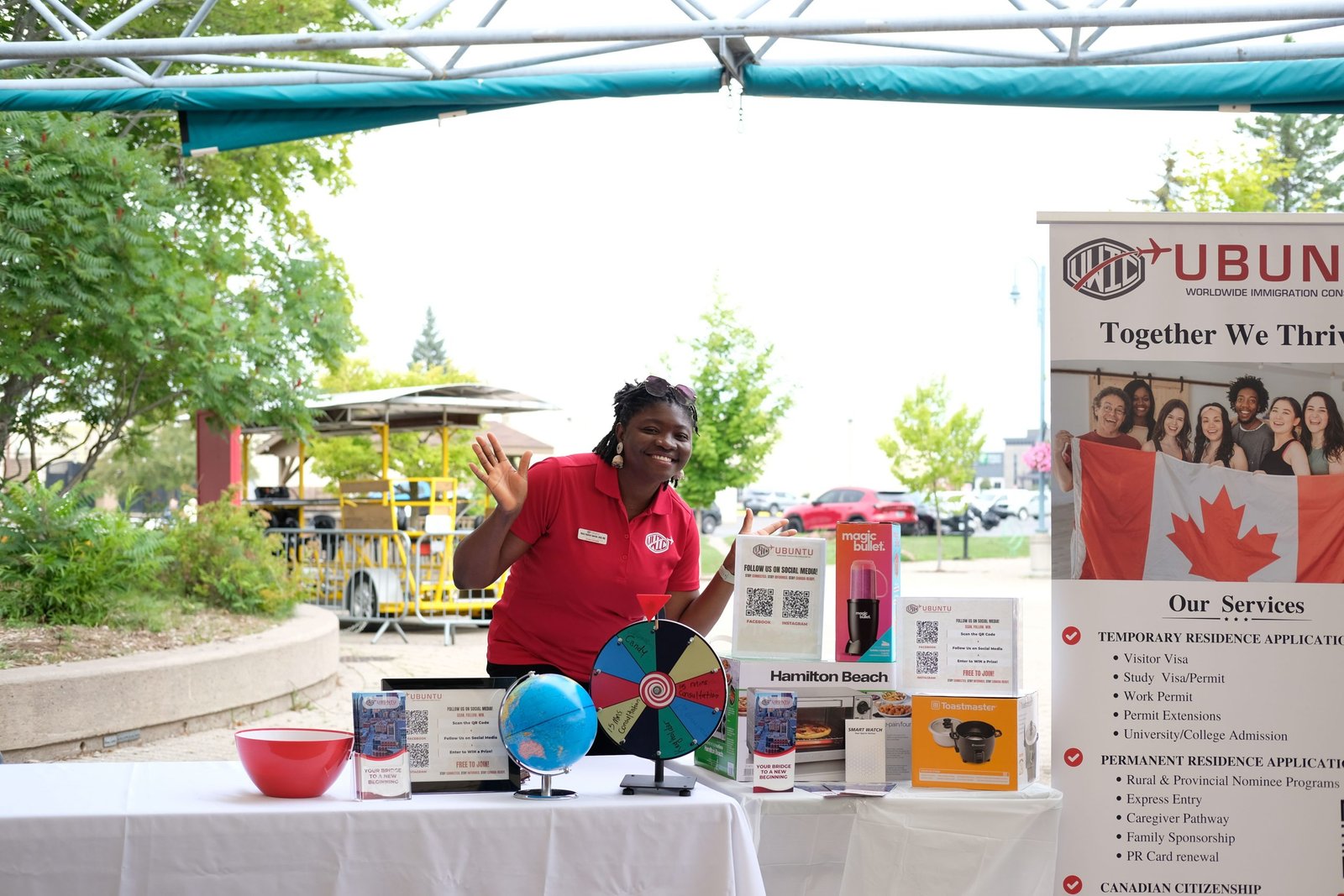
OUT IN THE COMMUNITY
Events, Community and milestones
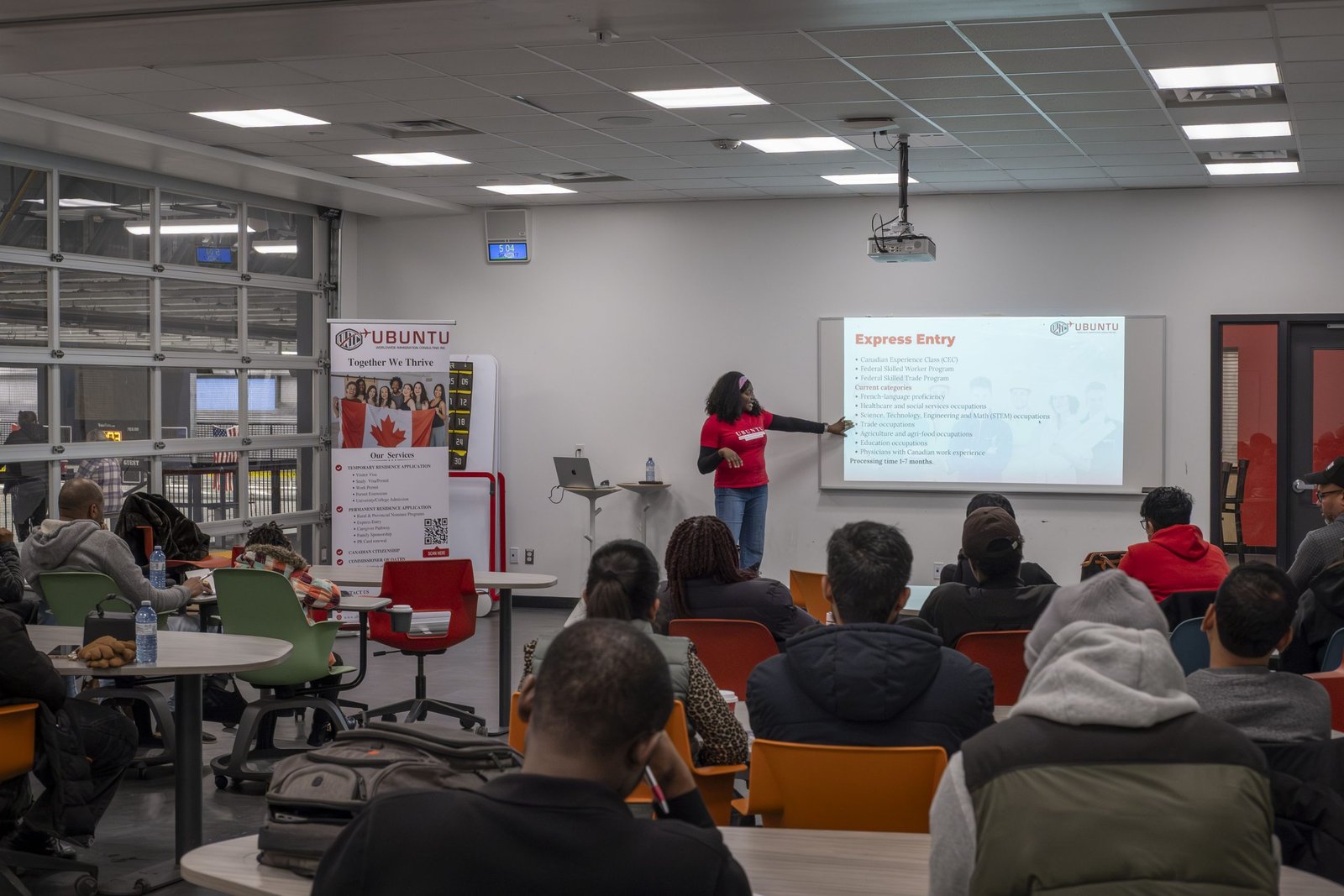
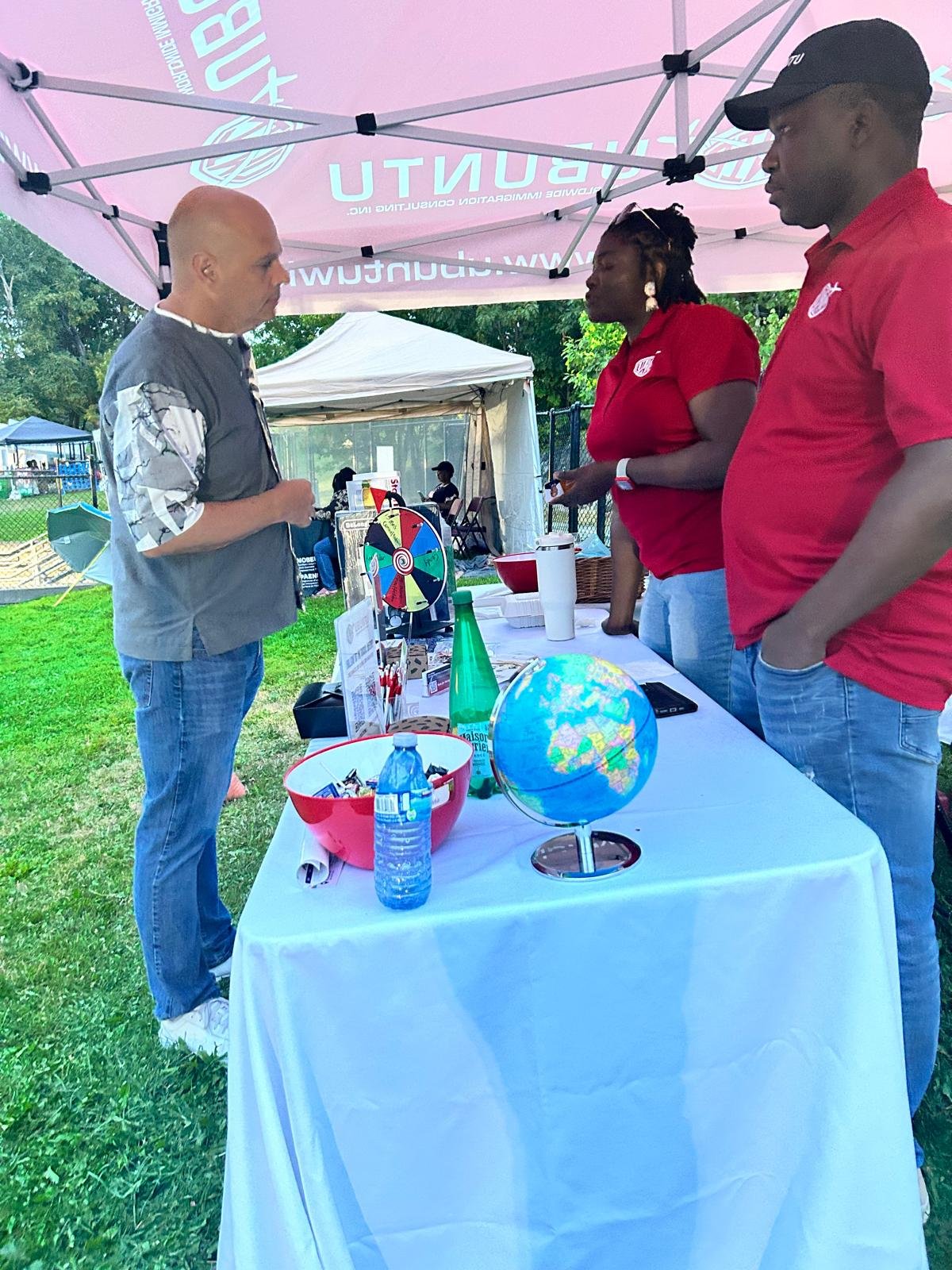
Information sessions, citizenship celebrations, community events and the everyday work of settling in. Hover to pause, click any photo to open it full size.
STAY INFORMED
Recent news
Asylum law changed substantially in March 2026 and further regulatory changes have been announced. Follow our journal so a change does not catch you at the worst possible moment.
Zero general Express Entry draws in 895 days. Ontario pays 15 points for a northern postcode and zero for Toronto. Four rural communities will not score you at all.
Manitoba issued 474 Letters of Advice to Apply on 24 September 2026, with 417 going to engineering, architecture and IT candidates at a cut-off of 760. The more useful detail is why eligible candidates were skipped – and what the Workforce Transition Bridge means for those who were not invited.
Newfoundland and Labrador invited just 62 people on 18 September, down from rounds of 400 earlier this year. The draw size is not the story. The temporary federal measure letting PNP nominees bridge without an AOR is, and it expires on 31 December 2026.
Asylum law changed substantially in March 2026 and further regulatory changes have been announced. Follow our journal so a change does not catch you at the worst possible moment.