An exceptional route to permanent residence for people whose circumstances would, in the Supreme Court’s words, excite in a reasonable person a desire to relieve the misfortunes of another. It is discretionary, it is slow, and several bars stop applications before anyone reads them. Here is the honest picture.
She is truly nothing short of the best! From the very beginning, she has been incredibly knowledgeable, supportive, and attentive to every detail throughout my Canadian PR journey.
My case was quite complicated and, at times, I honestly felt like I had lost all hope. But she was always patient, understanding, and considerate. What makes her truly exceptional is that she doesn’t just handle the application as a process—she genuinely feels like she is living the journey alongside her clients. She understands their concerns, keeps track of even the smallest details, and always makes sure nothing is overlooked.
Trusting her with my application was one of the best decisions I made. By the grace of God, and with her expertise, dedication, and keen eye for detail, I was able to make it through a journey that once seemed almost impossible.
I am genuinely grateful for everything she has done for me and for the care and commitment she showed throughout the entire process. Her professionalism, knowledge, and dedication are truly praiseworthy. I would wholeheartedly recommend her to anyone looking for a trustworthy and dedicated immigration consultant.
Forever grateful for her guidance and support! ❤️
It’s was really a great experience having Ubuntu worldwide immigration consulting firm walk me and my family through the process of a successful new chapter from the very first step of consultation throughout the requirements to application for my family visa
We are grateful to have your experienced hands direct and lead us through the right path.
I am glad our application is worthy to be part of your success story
Many more successful applications to go 🙏
My experience with Ubuntu Worldwide Immigration Consulting was truly positive. From the beginning, they guided my family through the process with patience, professionalism, and genuine care. I especially appreciated how they took the time to answer our questions and keep us informed. Seeing our application approved was a very happy moment for my family, and I’m grateful for their support throughout the journey. I would gladly recommend their services to others.
I am truly grateful to Ubuntu Worldwide Immigration Consulting for their support throughout my family’s immigration journey. After experiencing previous refusals, we finally received approval for my husband and children, and this means so much to our family.
The team was professional, supportive, patient, and responsive throughout the process. They guided us carefully and gave us confidence even when the journey felt challenging.
Thank you to the entire Ubuntu team for helping us reach this important milestone. I sincerely appreciate your dedication and would gladly recommend your services to anyone looking for reliable and professional immigration support. ❤️🙏🏽
I honestly don’t know where to begin because it is difficult to put into words just how grateful I am for the support I received throughout my PR journey.
Immigration can come with so much uncertainty. There is so much information online, different experiences from different people, and sometimes your own previous experiences can leave you with more questions than answers. From the beginning, however, Mary brought a level of reassurance, patience, professionalism, and confidence that made such a difference for me.
What stood out most was how knowledgeable and thorough she was. She paid attention to the details, took the time to address every concern I had, and never made me feel like I was asking too many questions. Even when I needed extra reassurance or wanted to be certain that every aspect of my application had been properly considered, she remained warm, approachable, and patient. She never rushed me or dismissed my concerns. Instead, she explained things clearly and gave me the confidence to trust the process.
Her knowledge and experience were evident in the way she handled my application from beginning to end. I always felt that it was being handled with care and that nothing was being overlooked. She made what could easily have been an overwhelming and stressful journey feel much more manageable.
I am incredibly grateful that I chose to work with her and stayed the course with her, and I wholeheartedly recommend her to anyone looking for an immigration professional.
I am so glad our paths crossed, and I cannot thank her enough for being such an important part of this journey.
Thank you so much, Mary, for everything. You were truly amazing from beginning to end.
I had an excellent experience working with Ubuntu worldwide Immigration. Mary was incredibly efficient, professional, and detail-oriented throughout the entire process.
Her communication was flawless. She always responded promptly, explained each step clearly, and made sure I was informed along the way. Her attention to detail and expertise made what could have been a very stressful process feel smooth and manageable.
Thank you for helping me reach such an important milestone!
I know I’m a little late in writing this review, but I truly wanted to take the time to thank Mary and everyone at Ubuntu Worldwide Immigration Consulting Inc. for the support and guidance they gave me throughout our application.
Mary was an incredible help from start to finish. What I appreciated most was how genuinely she cared about our application. She was always professional, knowledgeable, patient and thorough, and she made sure I understood the process every step of the way. Going through an immigration application can be stressful, but having someone like Mary guiding me gave me a lot of confidence and peace of mind.
I’m sincerely grateful for all her hard work and support. Thank you, Mary, for helping us through such an important process. I truly appreciate everything you have done for us and would wholeheartedly recommend you and UWIC to anyone looking for trustworthy and genuine immigration support.
If I could give Mary & UWIC 100 stars, I would give her. She is truly more than just a consultant, she is someone we trusted with our future, and she never once let us down.
Having worked with different consultants before, we know how much of a difference the right person can make. Mary is exceptional. She doesn’t simply look at paperwork and tell you what to submit. She takes the time to carefully study your documents, understand your circumstances, create a thoughtful plan, and guide you through every step with genuine care and understanding.
What makes her even more special is that she understands the immigrant journey personally. She knows the uncertainty, the sacrifices, the hopes, and the dreams that come with building a new life in Canada because she was once an immigrant herself. That understanding made us feel heard, respected, and never alone throughout the process.
There were moments when we felt anxious about our future, but Mary always gave us reassurance and confidence. Her knowledge, dedication, honesty, and compassion made all the difference.
Thank you, Mary, for believing in us, guiding us, and helping make our Canadian dream come true. We will always be grateful for everything you have done for us. ❤️
From honest , research-based advice, through proper guidance and effective communication, to excellent attention to detail, UWIC's immigration consultancy services that prioritize the interests of clients are simply top-notch. Where's the 6th star already?
UPDATE
Thanks to the expert guidance of Ubuntu's Mary , my family and I now have a different, delightful story about our Canada journey.
I, along with my daughter, had accompanied my wife who was traveling to study in Canada, the implication being that my wife had to be the propeller for the rest of the family towards status retention/extensions, as well as Permanent Residence. Mary relentlessly looked out for alternative pathways and opportunities, never giving up even when we were going to. I became the principal applicant for our PRs, and Ubuntu handled everything. As of today, August 26, 2026, with my wife completing her studies only 2 months ago, we are now Permanent Residents of Canada. I still have 2 solid years of work permit which I do not need anymore, and my wife never got to need a Post Graduate Work Permit. How did we do it? Ask Ubuntu. They are the best.
I HIGHLY recommend Ubuntu Worldwide Immigration Service. They assisted my family in processing my parent’s visitor’s visa. The entire experience from start to finish was exceptional. Mary was professional, responsive, knowledgeable and genuinely committed to whole process.
What impressed me the most was Mary’s ATTENTION TO DETAILS and her willingness to answer questions, and provide reassurance throughout the process. Mary made the whole process stress-free!
Thank you Ubuntu Worldwide Immigration Consulting!
I am committed to spreading the good work your team do, Mary.
Curtis Obadan
We had an absolutely wonderful experience working with Ubuntu. She is a true professional who is incredibly attentive, kind, and genuinely cares about her clients. Her positive attitude and dedication made a lasting impression on us, and she made everything feel completely stress-free. We cannot thank her enough for her exceptional service. I highly recommend her to anyone looking for a top-notch experience!
I am incredibly grateful to Ms. Mary for helping me achieve my Canadian Permanent Residency. She is truly a master of her profession, and her knowledge, professionalism, patience, and dedication made my immigration journey much easier and less stressful. From the beginning, Ms. Mary personally took care of my file and guided me through every stage of the process. She made sure that everything was prepared correctly and followed up step by step until I finally received the positive response from IRCC. Her support and confidence throughout the process meant a lot to me. I highly recommend Ms. Mary to anyone looking for trustworthy and professional immigration guidance, whether for a student visa, work permit, PR, or citizenship. A huge kudos to the entire Ubuntu Worldwide Immigration Inc. team for their outstanding service and dedication. Thank you, Ms. Mary, for helping make my Canadian dream a reality. I strongly recommend your services to everyone. God bless you and your team.
Ubuntu Worldwide Immigration Consulting Inc., and especially Mary, made our PR application under RCIP a success from start to finish. The journey was intense and there were moments of uncertainty, but Mary was patient, considerate, and always kept us on track, even pushing us when we needed it most.
She was thorough, responsive, and genuinely invested in our success, not just as a client but as people trying to build a life here. Thanks to her guidance and expertise, our PR application was approved, and we couldn't be more grateful.
We wholeheartedly recommend Mary and Ubuntu Worldwide Immigration Consulting to anyone pursuing their Canadian dream. Wishing the company continued growth so more families can experience the same care and dedication we did.
Thank you, Mary, for everything! God bless you! ❤️
I had an excellent experience with Ubuntu Worldwide Immigration Consulting Inc. throughout my PR application process. Mary was professional, responsive, and highly knowledgeable about Canadian immigration requirements. She guided my family and me through every step of the process, ensuring that all our documents were accurately prepared and submitted on time. She consistently kept us informed about the progress of our application and was always available to answer our questions.
What I appreciate most is her dedication and genuine commitment to helping families succeed. Thanks to her expertise and support, our children were also able to join us in Canada, which meant everything to us. Her guidance made what could have been a stressful and overwhelming process much smoother and more manageable.
I am truly grateful for Mary's hard work and professionalism, and I highly recommend her services to anyone seeking trusted and reliable assistance with Canadian immigration.
I had one of the best experiences working with Ubuntu. if I could give more than 5 stars I would. A true lifesaver. The peace of mind given settled all my fears. Communication is great and service is the impeccable. Mary made the entire journey stress free and I'm can't wait to work with her again.
Thank you so much, Mary, for making the whole student permit application process for my son so smooth. I was honestly so anxious these past few weeks while waiting for the result, and receiving his approval brought me so much relief and happiness.
I’m truly grateful for your guidance, and support throughout the entire process. Thank you for helping make this important opportunity for my son possible. I sincerely hope you continue to help many more students and families achieve their dreams. Your hard work and dedication are truly appreciated. ❤️🙏
My experience with Ubuntu Worldwide Immigration was so amazing. I found her page on Instagram and decided to use her for my application and everyday I remain grateful to myself for taking that decision because her customer service is so excellent,she listens and explains everything you need clarity on and to the glory of God my PGWP and my husband’s work permit extension was approved. I highly recommend her 100% and honestly your satisfaction & fulfilment is guaranteed.
Ubuntu handled my mother's visa application process with topmost professionalism and outstanding attention to detail.
Mary maintained a respectful demeanor and kept communication clear and prompt all through.
Mary ensured we put in a strong application especially since my mum had a previous refusal. Mary loves and is excellent at what she does and its evident in the amout of time she spent to ensure we got a favorable result.
Thank you for making this family reunification a reality.
Mary of Ubuntu Worldwide is very very good at what she does. After a diy visitor visa refusal for my mum, I went to her to help with reapplication and her expertise helped in getting an approval. If I could rate her move than 5 stars, I would.
I had a great experience with Ubuntu worldwide immigration consulting Inc. for my visa file.I was worried about my status but she always answered my every questions quickly and told me exactly what documents to prepare. She made a super stressful process so much easier. My application got approved with no issues at all. Huge thanks to the Mary — definitely use them if you need help immigrating!
I can’t thank Mary enough for all her support and hard work throughout my immigration process. She was professional, patient, and always available to answer my questions and guide me every step of the way. I truly appreciate her dedication and the care she put into helping me. I highly recommend her services to anyone looking for reliable and trustworthy support!
They were a pleasure to work with and were very responsive. They kept us updated with the application status and paid great attention to details. I highly recommend their services.
I would like to sincerely thank you, Mary, for helping me with my children's student visa applications. With your guidance and support, we received their approval, and we will soon be reunited with them.From the beginning until the end, you patiently guided me, answered all my questions, and made the entire process much less stressful. I truly appreciate your dedication and professionalism.
I will definitely recommend you to my friends and anyone looking for reliable assistance. Thank you so much for everything, and God bless you!
We had an excellent experience working with Mary of Ubuntu Worldwide Immigration Consulting Inc. for our work permit application. She was very professional, knowledgeable, proactive, and extremely organized throughout the entire process.
She patiently answered all our questions, guided us step by step, and made sure our documents were properly prepared and submitted. Her attention to detail and expertise gave us a lot of confidence and made the whole process much less stressful.
Thanks to her help, we successfully received our work permit. We are truly grateful for her support and would highly recommend Ubuntu Worldwide Immigration Consulting Inc. to anyone looking for reliable and professional immigration assistance.
Another wonderful experience with Mary at Ubuntu Worldwide Immigration Consulting Inc.! She assisted us with my Post-Graduate Work Permit application and was exceptional from start to finish.
Mary was upfront with us from the beginning, letting us know there was a strong chance we’d receive a 3-year PGWP and she was right, it was approved! However, IRCC issued the permit in line with my passport’s expiry date rather than the full three years. Her expertise meant we always knew what to expect , no surprises, just confidence in the process.
Her knowledge of immigration matters is clearly extensive, and her honesty throughout gave us real peace of mind. She was professional, responsive, and supportive at every step, always making sure we understood what was happening and why.
We’re so grateful for Mary’s help and wholeheartedly recommend her and Ubuntu Worldwide Immigration Consulting Inc. to anyone looking for reliable, trustworthy immigration support!
We are beyond grateful to Mary and the entire team at Ubuntu Worldwide Immigration Consulting Inc. for helping us in our application. Our case was complicated as our previous work permit application had been refused, and we had already lost our status. We felt hopeless and overwhelmed, but Mary helps us with kindness and patience. She took the time to listen to every detail of our situation and reassured us that there was still hope. She helps us with the application of a new work permit for my husband and an open work permit for myself.
Mary is not only incredibly knowledgeable and professional, but she also has a truly compassionate heart. Her expertise, strategic approach, and deep understanding of the immigration system gave us confidence and peace of mind throughout the entire process. She explained everything clearly and guided us every step of the way with honesty and dedication.
Thanks to Mary’s hard work and commitment, our work permit application and restoration were successfully approved. We will always be thankful for her support and for never giving up on our case.
We highly recommend Mary and Ubuntu Worldwide Immigration to anyone needing help with immigration matters such as work permits, restoration of status, RCIP-PR, student visas, and many more. You can truly trust that you are in caring and capable hands.
From the bottom of our hearts, thank you so much, Mary, Ubuntu Immigration Services, and your amazing staff.
May you continue helping and blessing more people through your excellent service!
I had one of the best experiences with Ubuntu Worldwide Immigration Consulting during my PR journey. Their commitment, guidance, and professionalism were truly outstanding from start to finish.
She is extremely reliable, knowledgeable, and experienced in immigration services. What I appreciated the most was her honesty, commitment and clear guidance — she always explained exactly what was required for my case and made sure everything was completed correctly and on time.
Whenever I had questions or concerns, she responded almost immediately and was always there to support and reassure us throughout the process. Her dedication and hard work were incredible; she genuinely puts in 101% effort to help her clients succeed.
Thanks to her excellent support and guidance, we successfully received our PR, and we are truly grateful for everything she did for us. I highly recommend Ubuntu Worldwide International to anyone looking for trustworthy and professional immigration consulting services.
Thank you very much for your exceptional support and for making our dream come true!
Mary truly went beyond my expectations in helping me achieve my goal of becoming a Permanent Resident.
I was previously a client of Ubuntu Immigration, but when I applied for my PR I was no longer a paid client. Despite that, Mary still took the time to assist and guide me throughout my application. She was always just a call away and never failed to answer my questions whenever I needed clarification.
Her sincerity, patience, and genuine willingness to help made a huge difference in my journey. She never made me feel like I was on my own during the process. Her expertise in immigration is truly remarkable, and she made sure that every requirement requested by IRCC was properly prepared, organized, and submitted in a professional manner.
Applying for PR can be stressful and overwhelming, but having someone knowledgeable and trustworthy like Mary made the process much easier and gave me confidence every step of the way. I am deeply grateful for her support, guidance, and kindness.
If you are looking for someone reliable, professional, and truly dedicated to helping their clients succeed, I highly recommend Mary. Thank you for being such a big part of my journey.
1000% highly recommended!
READ THIS BEFORE YOU APPLY
What this application is, and is not
1,100Places in the H&C category for all of 2026
68,400People already waiting in the in-Canada queue
10+Years most new applicants can expect to wait
0Protection it gives you from removal while pending
It does not stop your removal
This is the misunderstanding that causes the most harm, and we would rather say it bluntly than have someone learn it at the airport.
IRCC states plainly that a pending application will not delay your removal from Canada, and that you must leave on the specified removal date. A stay only arises after a favourable decision has already been made, not while you wait for one.
If you have a removal date, an H&C application on its own will not save you. Other steps may, but they are separate and urgent. Get licensed help immediately rather than filing and hoping.
It is not a regular pathway
IRCC's own words. The category exists for exceptional circumstances, not as an alternative when other routes are closed, and the numbers make that concrete.
The 2026 target is 1,100 places for the whole H&C category
68,400 people were already in the in-Canada queue as at 31 January 2026
There is no service standard, and IRCC says most new applicants in this category can expect to wait more than ten years
IRCC has said adding staff will not reduce that without more admissions space
The bars stop most applications before they are read
Several situations make the Minister legally unable to even examine your request. Filing anyway wastes the fee and the years.
A refugee claim pending at the Refugee Protection Division or the Refugee Appeal Division
A claim found ineligible where a pre-removal risk assessment is pending
Twelve months from a refused, abandoned or withdrawn claim, or from the Federal Court refusing leave
Another H&C application already pending, or an Express Entry exemption request
Inadmissibility for security, human rights violations or organised crime
Two exceptions to the twelve-month bar exist: where removal would harm the best interests of a directly affected child, or where no country of nationality can provide adequate medical care and there is a risk to life.
When it is genuinely the right application
None of the above means it is hopeless. It means the application has to be exceptional, and honestly assessed before you file.
Long, documented establishment in Canada, particularly where remaining was beyond your control
Children whose interests would be seriously harmed by removal
Deep family dependency, including de facto family members
Health conditions where treatment is genuinely unavailable at home
Family violence, which carries its own recognised factors and evidentiary approach
Approval brings real benefits. Once approved in principle you can apply for an open work permit, and a study permit, while the second stage is completed.
START HERE
Can your request even be examined?
A large share of refused applications were never eligible to be examined. This checks the statutory bars first, because that is the question that decides whether anything else matters.
Eligibility and bars checker
Five questions against the bars in section 25. Most refused applications were barred from the start. Nothing you enter is sent anywhere or saved.
WHAT OFFICERS ACTUALLY WEIGH
The factors, and how they must be weighed
Establishment in Canada
There is no fixed period, but IRCC's guidance states that a significant degree of establishment is expected to take several years. What matters as much as length is whether the reasons you stayed were beyond your control.
Length of time in Canada, and why you remained
A stable employment history and sound financial management
Whether you stayed in one community, and your involvement in it
Studies, professional or language training
A good civil record for you and your family
Whether you cooperated with the government on travel documents
These count against you, explicitly. Going underground, refusing to sign a passport application, or wilfully losing or destroying travel documents are listed in IRCC's own guidance as circumstances that were not beyond your control.
Best interests of a child
Where a child under 18 would be directly affected, the law requires their interests to be considered. The Supreme Court has said these interests are a singularly significant focus and perspective, and must be examined with a great deal of attention.
The child's age, level of dependency and degree of establishment in Canada
Their links to the other country, and conditions there as they affect a child
Medical issues, special needs, and the impact on their education
The point of view of the child, which officers are directed to consider
An important principle: because children will rarely if ever deserve any hardship, the usual hardship language does not apply to them in the same way. A child may face greater hardship than an adult in the same situation, and circumstances that would not justify relief for an adult may justify it for a child.
But it is not automatic. IRCC states the child's interests do not outweigh all other factors. They are one important factor among several, and the child does not have to be your own to be directly affected.
Family ties, dependency and separation
Officers look for a genuine ongoing connection rather than a biological fact. The guidance draws on international human rights instruments protecting family life.
The immigration status of each family member, and their status when the family links were formed
Financial dependence, and the degree of psychological and emotional support
Whether you could have qualified in the family class from abroad
Previous separations, custody orders and whether visitation was exercised
Whether the family could reasonably be together somewhere else
De facto family members count. IRCC recognises people who are not legally related but genuinely dependent: a child over 22 still in the household, a sibling left alone abroad, an elderly relative, a long-term member of the household. Bona fides, the stability and duration of the dependency, and the impact of separation are all assessed.
Family violence has its own place in the guidance, with a dedicated list of acceptable evidence. IRCC also notes that officers may need to consider applying a financial inadmissibility exemption on their own initiative, because applicants often do not know to ask.
Health considerations
Medical grounds can be powerful, and they are also one of the two exceptions to the twelve-month bar. The evidentiary burden is specific.
A doctor's evidence of the diagnosis and of the necessity of the treatment
Confirmation from health authorities in your country that acceptable treatment is not available there
For the bar exception, the test is a risk to life because no country of your nationality can provide adequate care
Mental health is treated seriously. The Supreme Court held that once a diagnosis is accepted, an officer should not undermine it by demanding proof about treatment availability. The effect of removal on mental health is a relevant consideration that must be weighed whether or not treatment exists in the other country. A psychologist's report is not to be dismissed as hearsay merely because they did not witness the events.
Country conditions and adverse circumstances
For an application made from inside Canada, there is an important limit: the officer may not consider persecution or risk factors of the kind assessed in a refugee claim. They must, however, consider hardship.
The distinction is technical and it is where many applications are lost. The same underlying facts often have to be reframed entirely.
Adverse conditions in the country of origin, and how they would affect you specifically
Discrimination, which IRCC says can be inferred from membership of a group without proving you were personally targeted
Whether relocation or redress within that country would remove the hardship
Any unique or exceptional circumstances
If you are applying from outside Canada, this limit does not apply. The restriction on considering risk applies only to in-Canada requests, so risk can form part of an overseas humanitarian request.
How the decision must be made
The purpose of this relief is to respond to circumstances that would excite in a reasonable person in a civilized community a desire to relieve the misfortunes of another.
Supreme Court of Canada, Kanthasamy, 2015, adopting the Chirwa formulation
That case changed how these applications must be assessed, and IRCC's current guidance reflects it.
There is no hardship test. IRCC states this expressly. The old language of unusual, undeserved or disproportionate hardship is descriptive, not three separate thresholds to clear.
Officers must make a global assessment. Weighing each factor separately and discarding those that fail is an error that has had decisions overturned.
Evidence should not be discounted simply because a family member wrote it.
Officers should say evidence is insufficient, not that there is none.
The onus is entirely on the applicant. Officers do not have to go looking for your grounds.
The practical consequence: an application that lists hardships one by one tends to fail. One that shows how the circumstances combine, and why they would move a reasonable person, is the one that works. That is a drafting skill, not a form-filling exercise.
HOW WE WORK A FILE
From first assessment to a decision
Before anything else
Most refused applications were never eligible to be examined. We check whether a refugee claim is pending, whether a risk assessment is running, whether the twelve-month bar applies and from which date it truly runs, and whether either exception is available to you. If you are barred, we say so and explain when that changes. Filing into a bar wastes the fee and years of waiting.
Months, and worth every week
This is the stage that decides the outcome. Employment records, tax filings, tenancy, community involvement, studies, letters from people who know you. For children, school records, medical evidence and their own perspective. For health claims, a diagnosis and confirmation that treatment is unavailable at home. The onus is entirely on you, and officers are not required to go looking for your grounds.
The part that is a craft
The application form has a field for your explanation, but a bare answer rarely succeeds. What works is a submission that shows how the circumstances combine and why they would move a reasonable person, rather than listing hardships one by one. The Supreme Court held that assessing factors separately and discarding those that fail is an error, so the writing has to invite a global assessment.
The Minister is only seized once fees are paid
Applications are filed through the permanent residence online portal. Fees are $1,260 with the right of permanent residence fee, or $660 without, plus $180 for each dependent child and biometrics at $85 per person or $170 per family. Confirm the current amounts before filing, as they change.
Where establishment stops counting
An officer weighs the humanitarian grounds and decides whether to grant the exemption. A positive decision is approval in principle, and it is the moment things change: you can apply for an open work permit, and a study permit. A negative decision ends the application, and it does not proceed to stage two. Note that establishment is only assessed up to this point, so evidence gathered later does not help.
Medical, criminality and security
Only after approval in principle does the file move to the ordinary permanent residence checks. Refusal is still possible here, for example if a new inadmissibility emerges. Quebec applicants are referred to the province for a selection certificate at this stage. Given a category target of 1,100 places for 2026 and 68,400 people already in the queue, patience is not optional.
STRAIGHT ANSWERS
The questions people ask us first
No. This is the most consequential misunderstanding about this application, and we would rather be blunt than have someone rely on it.
IRCC states that a pending application will not delay your removal from Canada and that you must leave on the specified removal date. A stay of removal arises only after a favourable humanitarian decision has already been made, not while one is pending.
If you have a removal date, filing an H&C application is not a defence. There may be other steps available, including a deferral request or a stay application at the Federal Court, but those are separate, urgent and technical. Speak to a licensed representative immediately rather than filing and hoping.
Longer than almost any other application in the system. IRCC publishes no service standard for this category and states that most new applicants in the humanitarian and other category can expect to wait more than ten years.
The arithmetic explains why. The 2026 target is 1,100 places for the whole category, while 68,400 people were already in the in-Canada queue as at 31 January 2026. IRCC has said that adding staff will not shorten this without more admissions space.
One important consequence: establishment is only assessed up to the first-stage decision. Evidence you gather while waiting does not extend that assessment, so the application needs to be strong when it is filed, not later.
Nobody can tell you a percentage, and anyone who offers one is guessing. What we can do is describe honestly what separates applications that succeed.
Strong cases usually show long and documented establishment where the reasons for remaining were beyond the person's control, or a child whose interests would be seriously harmed, or genuine dependency within a family, or a medical situation with proper evidence that treatment is unavailable at home.
Weak applications tend to list hardships one by one and hope that volume substitutes for weight. The Supreme Court held that assessing factors separately is an error, so the application has to be written to invite a global assessment. The standard, in the Court's words, is circumstances that would excite in a reasonable person a desire to relieve the misfortunes of another.
We will tell you if we think an application is not viable. That conversation costs you nothing and can save you years.
Not immediately, but yes once the first stage is decided in your favour.
An open work permit becomes available after approval in principle, meaning after an officer has granted the humanitarian exemption but before the permanent residence application is finalised. A study permit becomes available on the same trigger. There is no work permit tied to simply having filed.
Two exceptions are worth knowing. If you already hold temporary status and apply to extend it before it expires, you keep maintained status and can continue working on the existing terms. And IRCC has noted that people who cannot be removed because of an administrative deferral or temporary suspension of removals can access a work or study permit sooner.
Given the waiting times, this is one of the most practically important questions on the whole application, and it is worth planning around from the start.
Yes, but not as a standalone application, and the rules differ in ways that matter.
A request from outside Canada must be made within an application for permanent residence under the economic, family or refugee class. The officer assesses that class first, and only turns to the humanitarian request if you fail its requirements. There is no separate overseas H&C form.
Two structural differences. Section 25 says the Minister must examine a request from someone in Canada, but only may examine one from outside. And the rule preventing officers from weighing persecution and risk applies only to in-Canada requests, so risk can be considered in an overseas request.
One limit to be clear about: a humanitarian request cannot cure a failure to meet Ministerial Instructions for the category you applied under. It can address a later statutory or admissibility problem, but not the entry criteria of the programme itself.
Usually not straight away. A refused, withdrawn or abandoned claim triggers a twelve-month bar, and the clock runs from the latest of the Board's decision or the Federal Court refusing leave or dismissing judicial review. People frequently miscount this, because the Federal Court step pushes the date later than expected.
Two exceptions exist. The bar does not apply where removal would adversely affect the best interests of a child directly affected, or where there is a risk to life because no country of your nationality can provide adequate health or medical care. Both need evidence rather than assertion.
There is also a newer trap. Since March 2026, claims refused referral under the one-year rule or the fourteen-day rule are routed to a pre-removal risk assessment, and an H&C request cannot be examined while that assessment is pending. The sequence matters more than most people realise, which is why the checker above asks about it.
OUT IN THE COMMUNITY
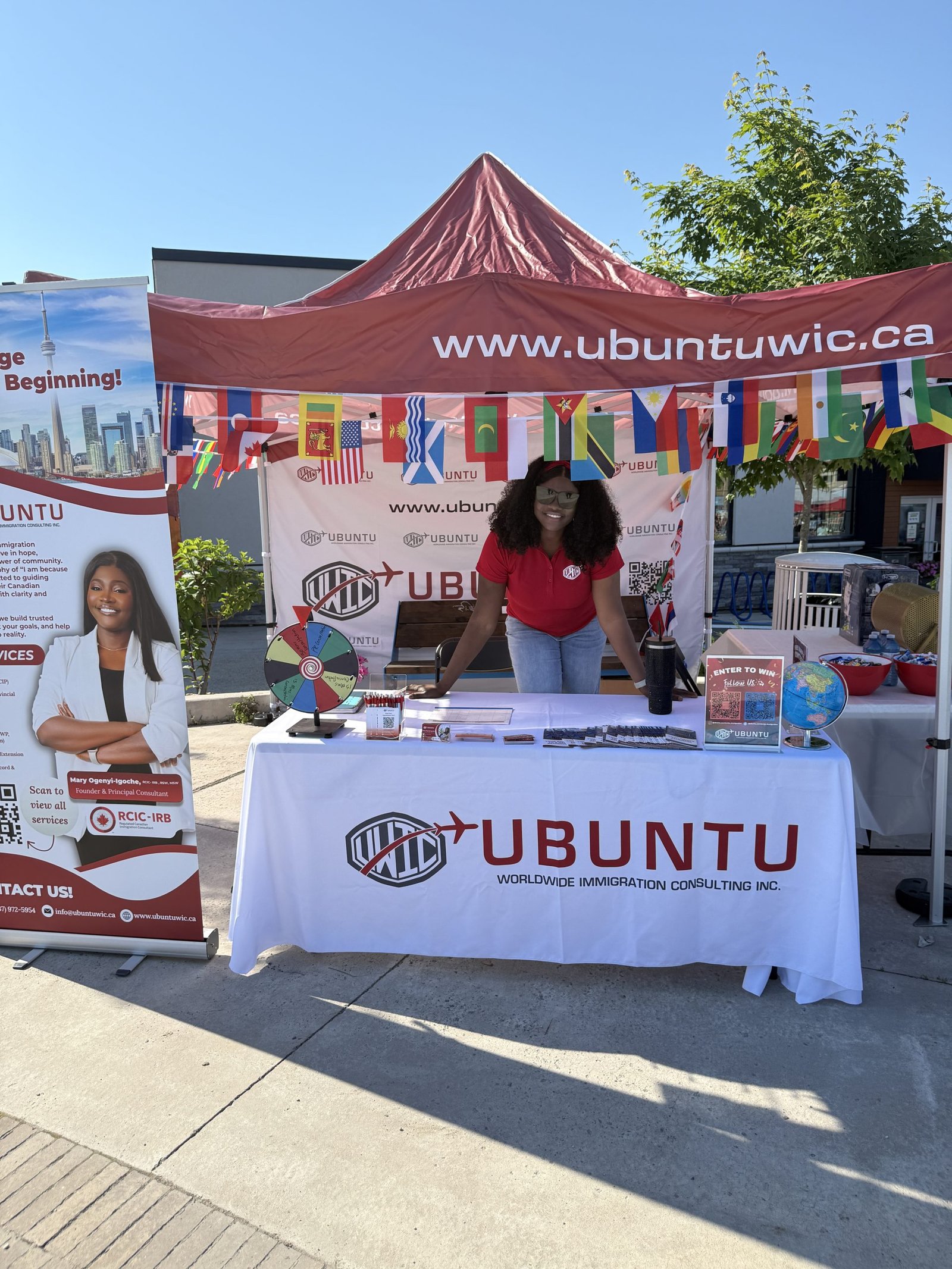
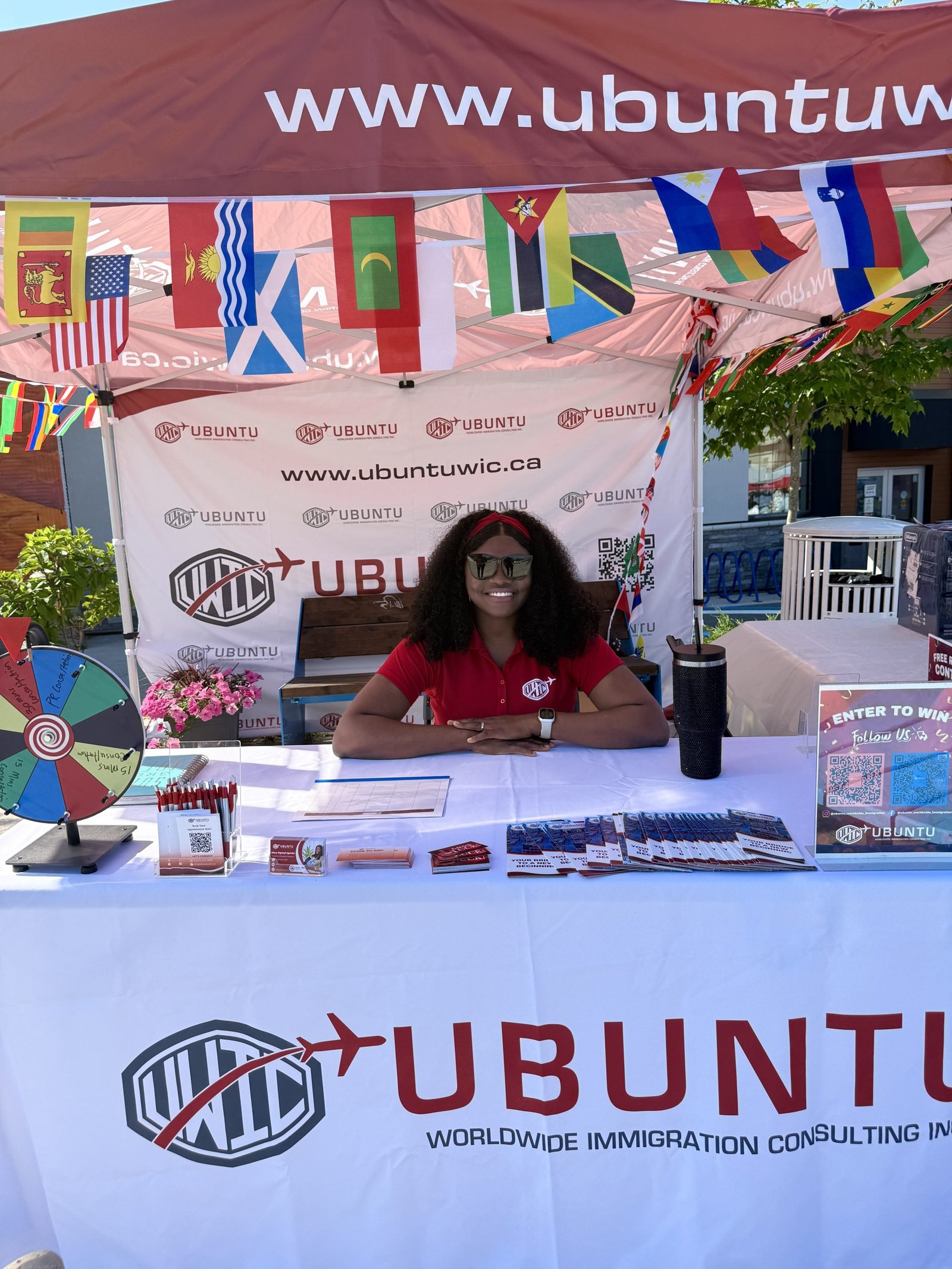
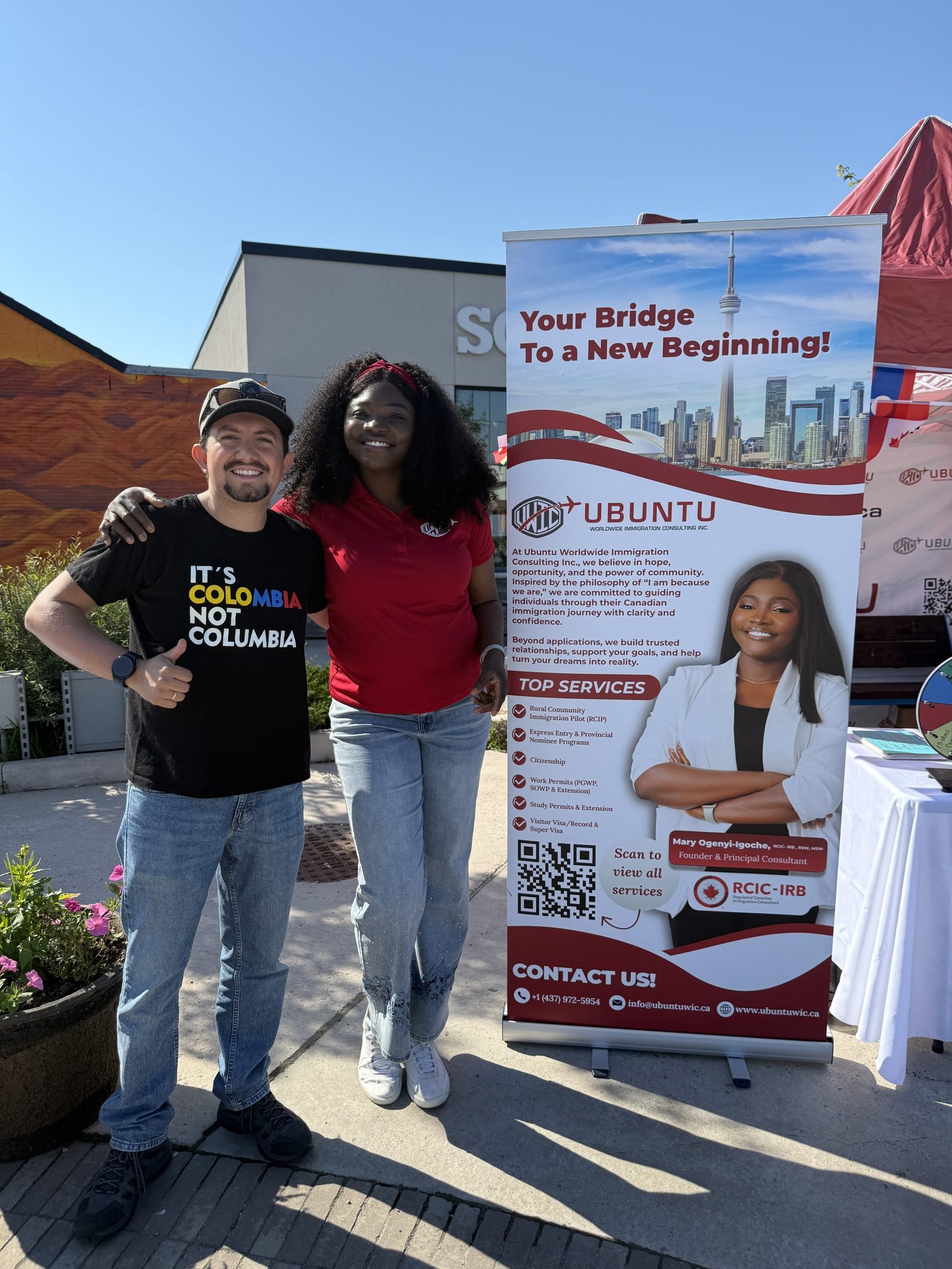
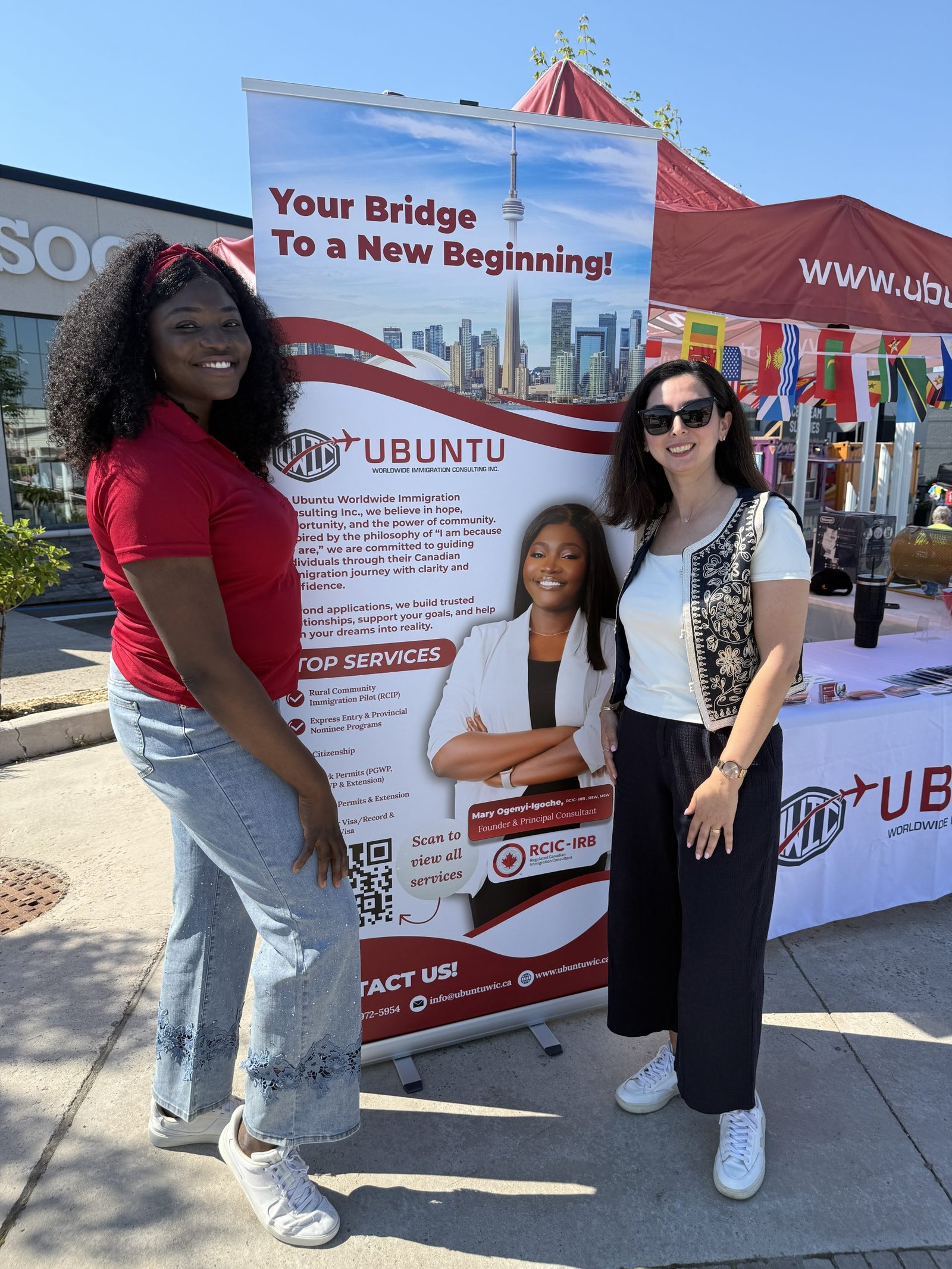
Events, Community and milestones
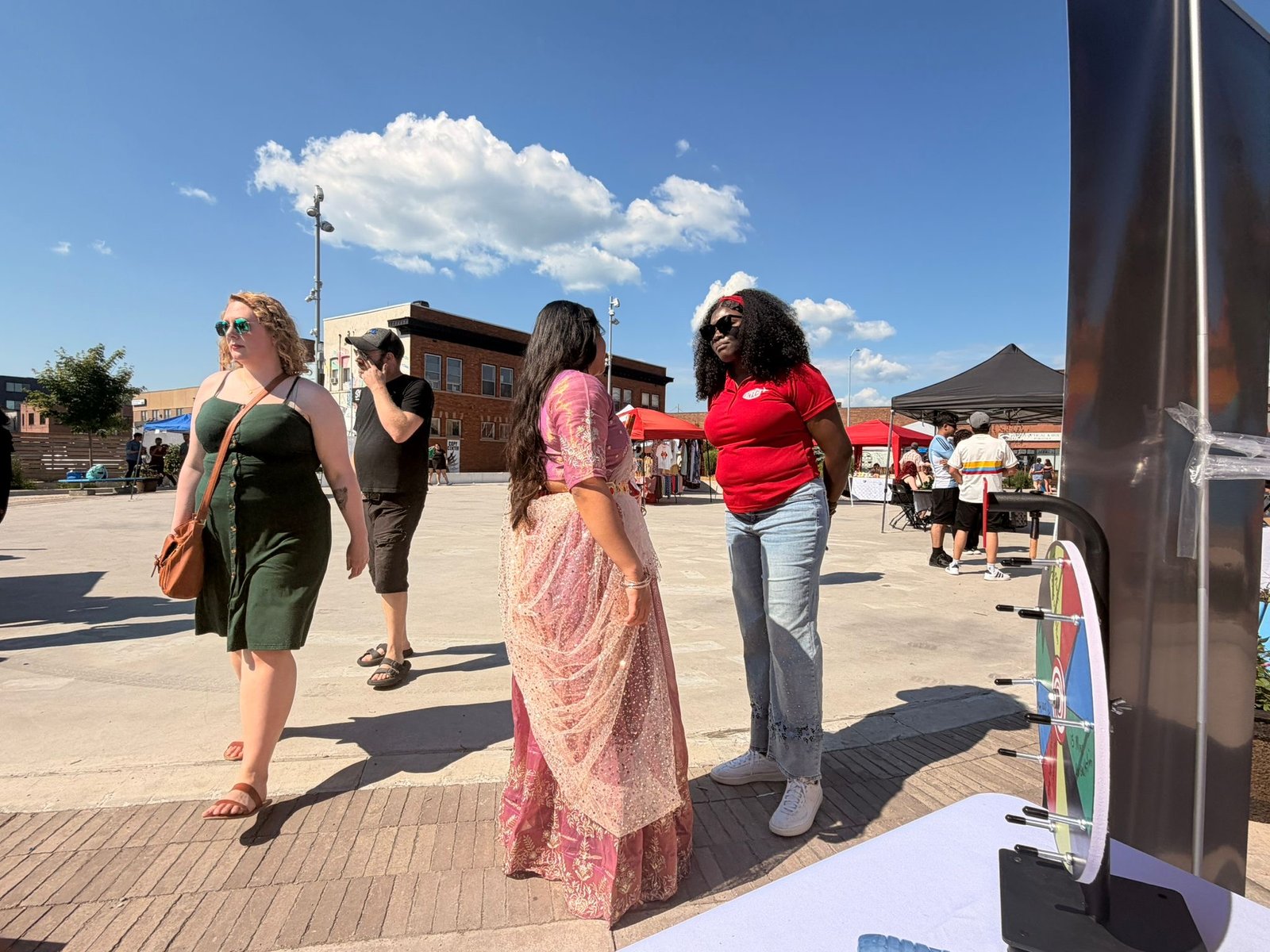
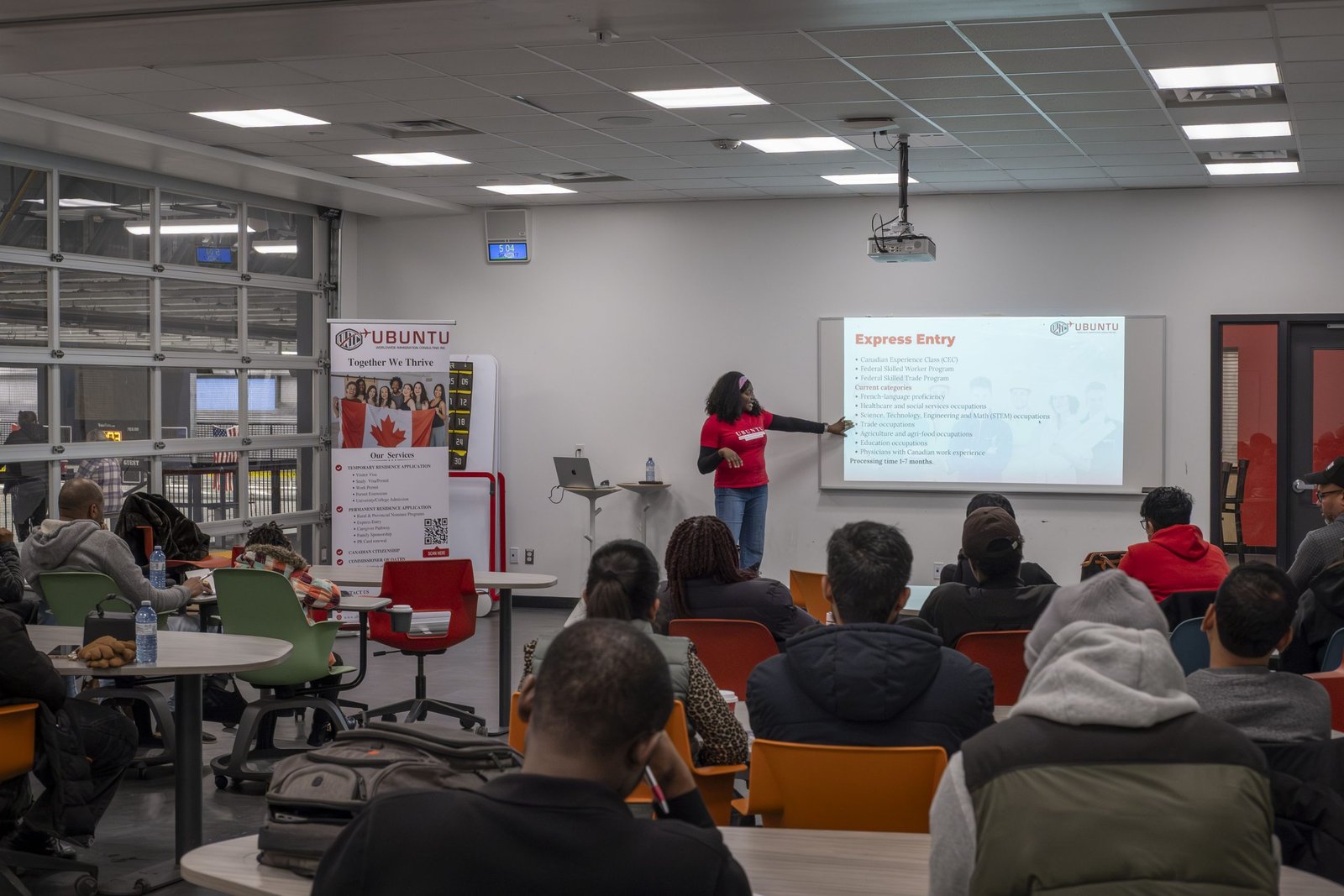
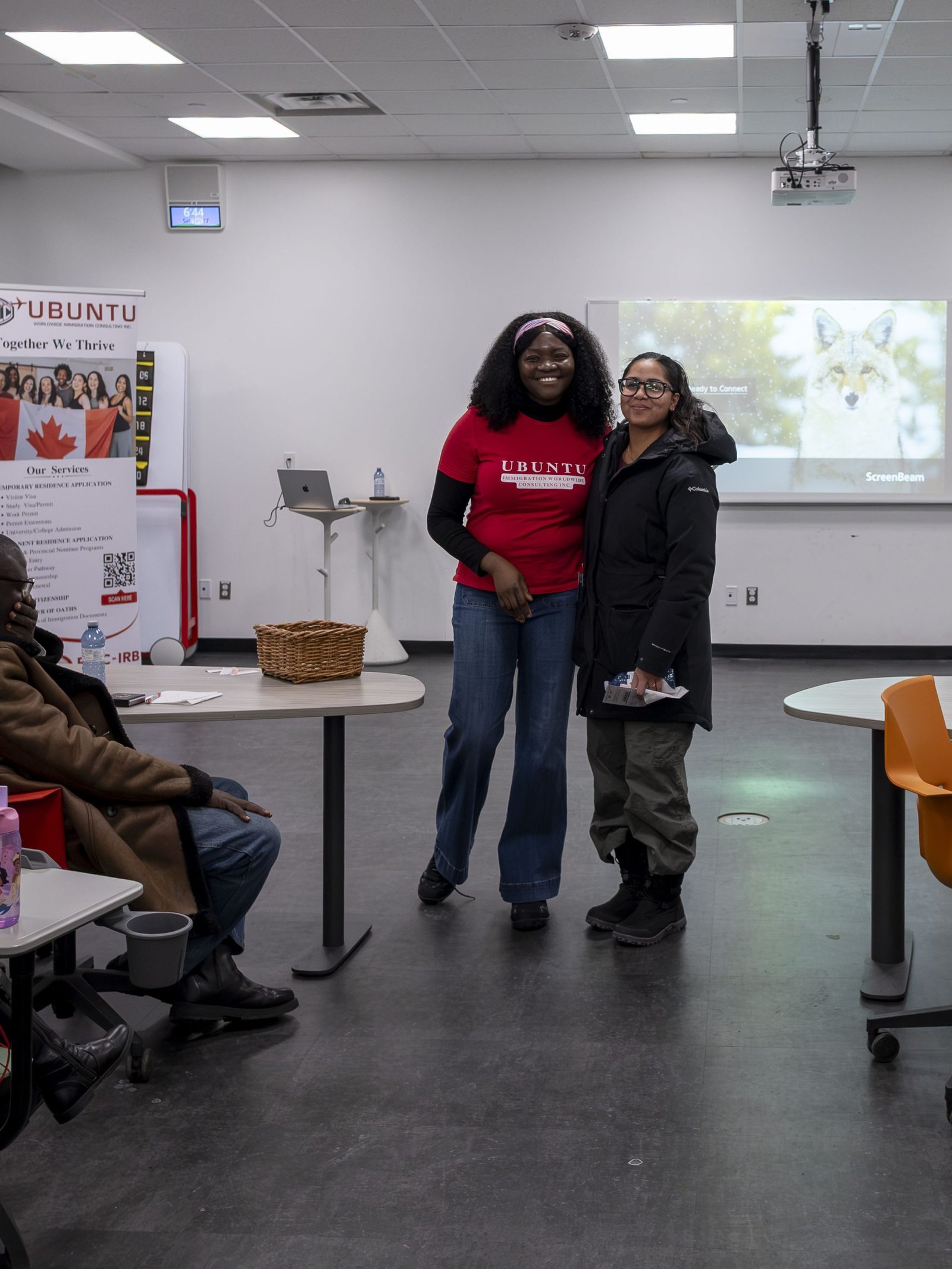
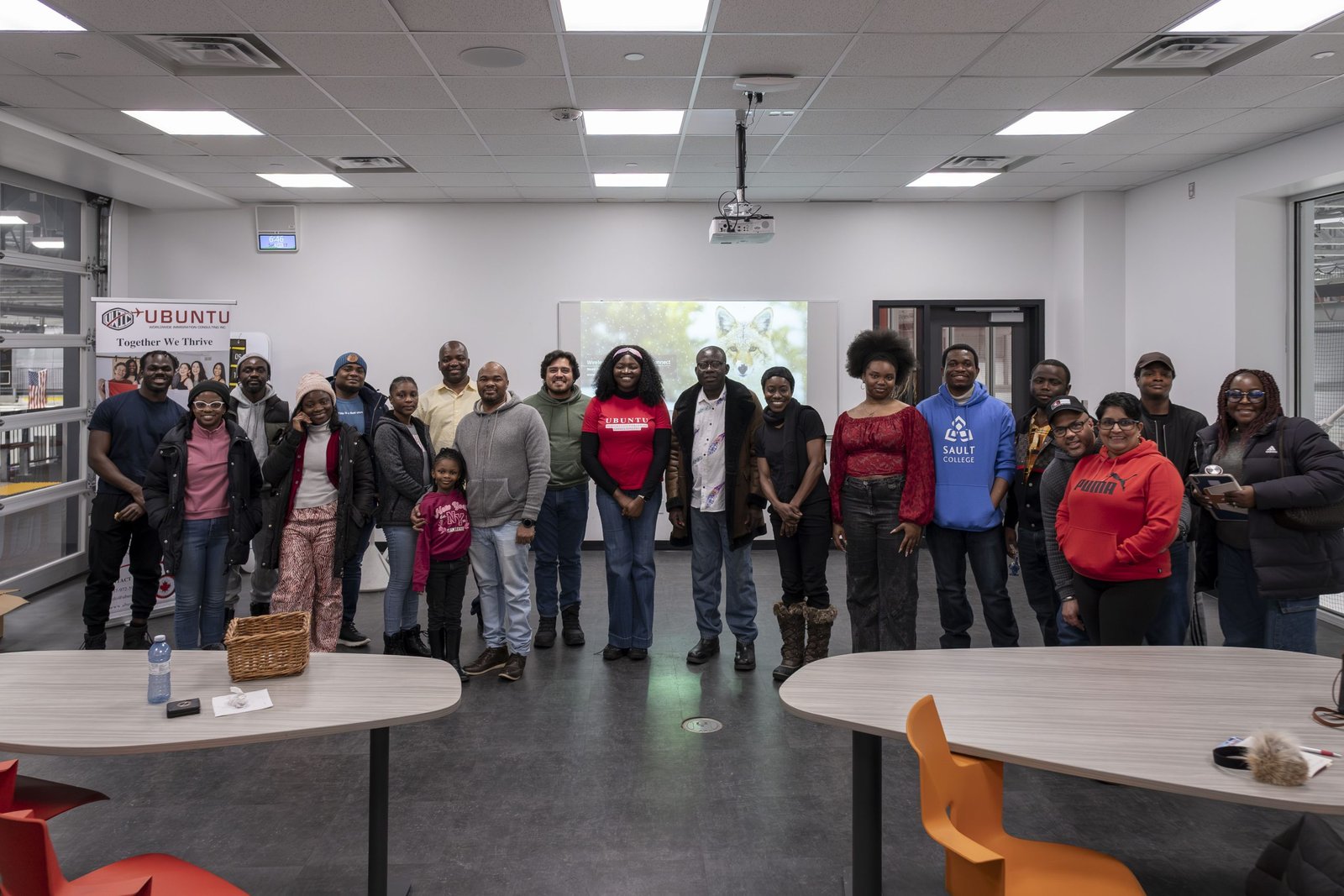
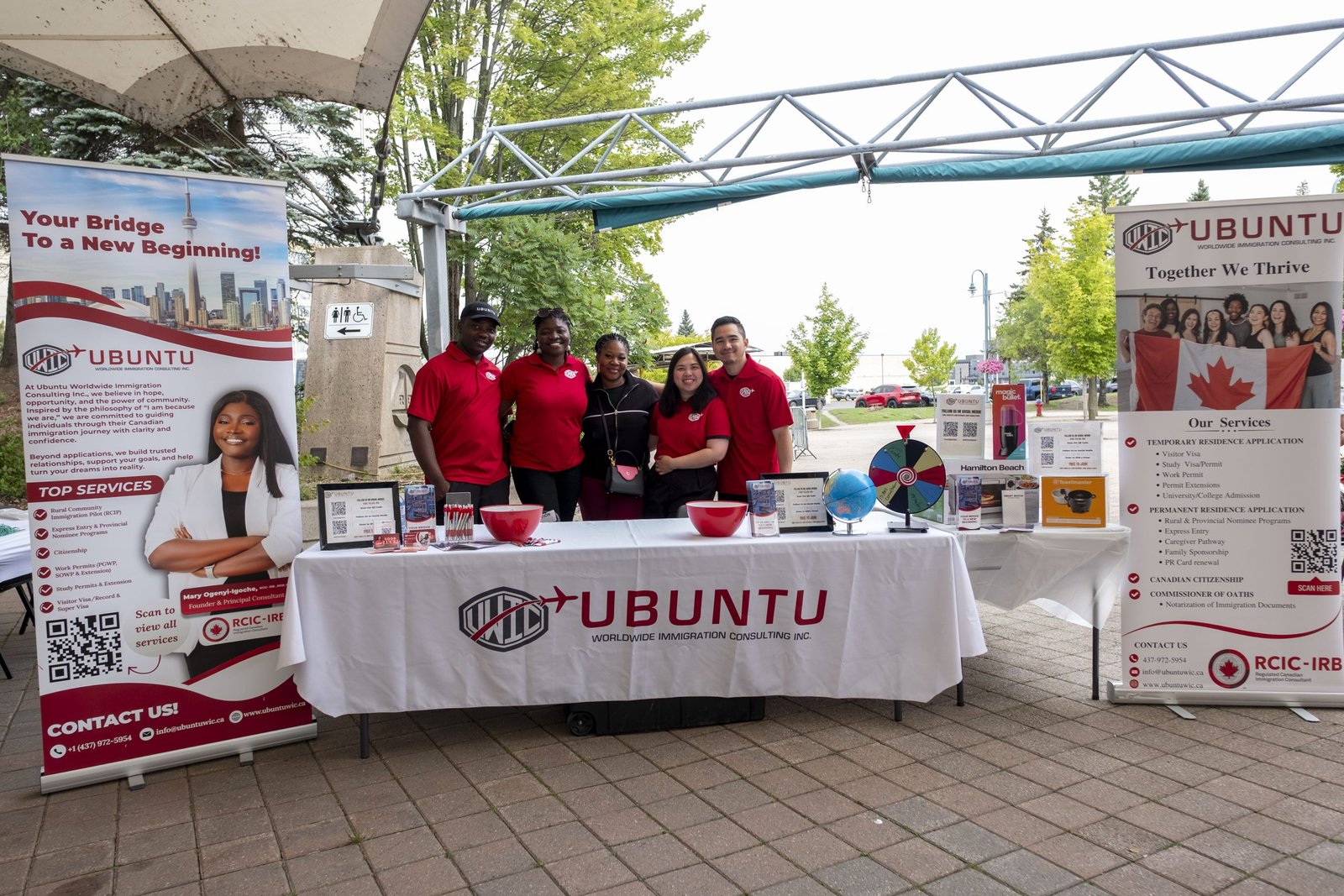
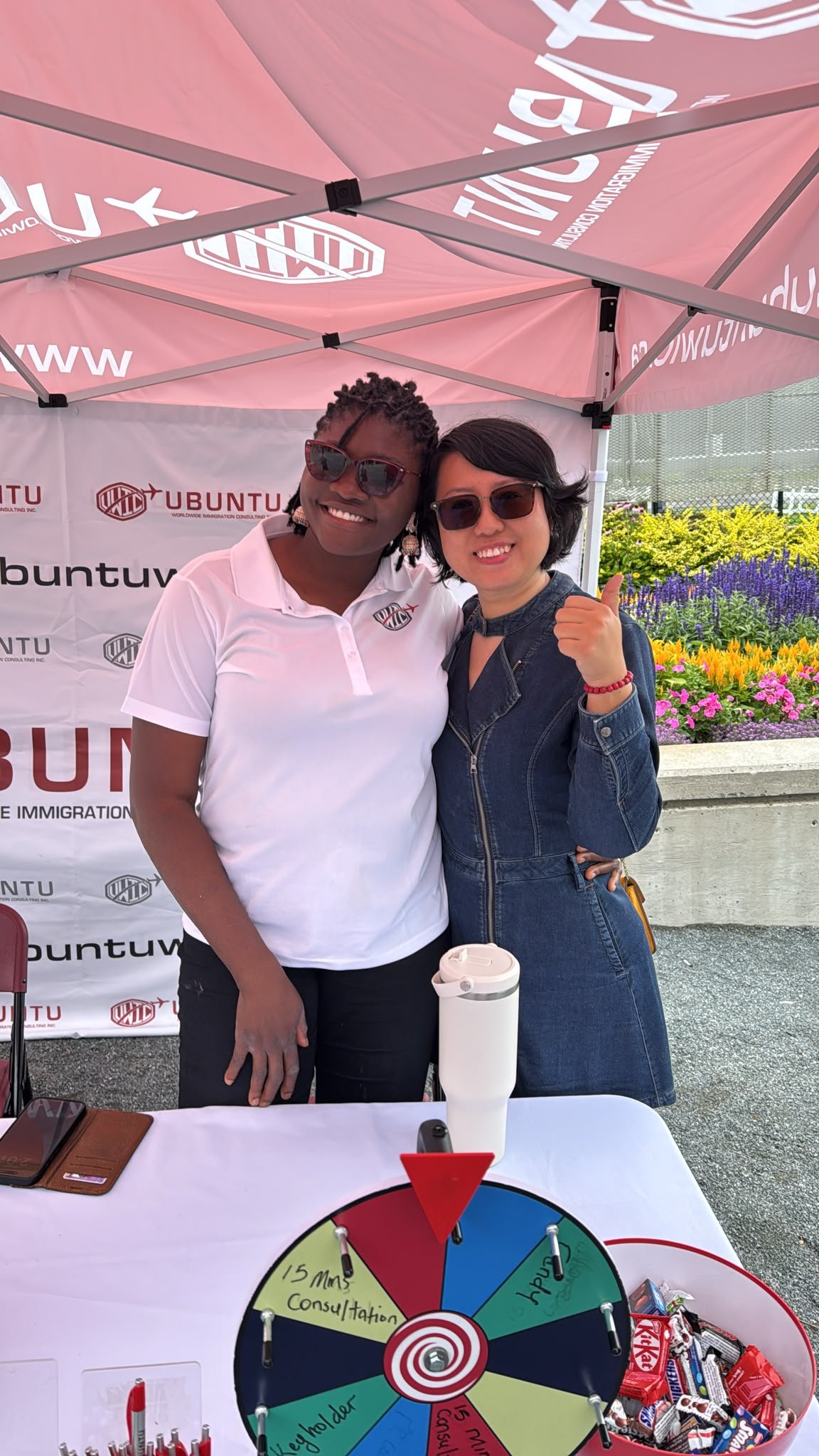
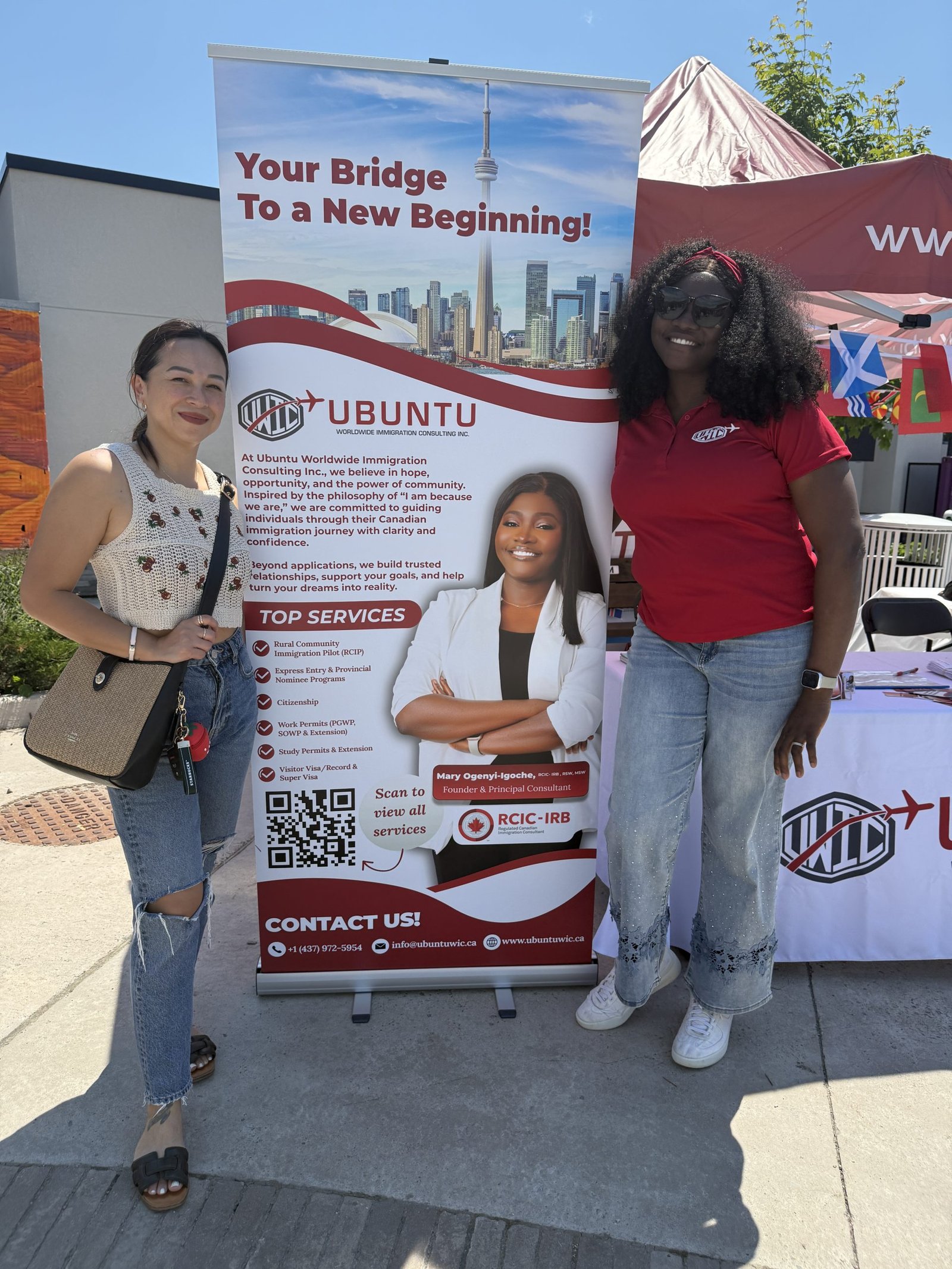
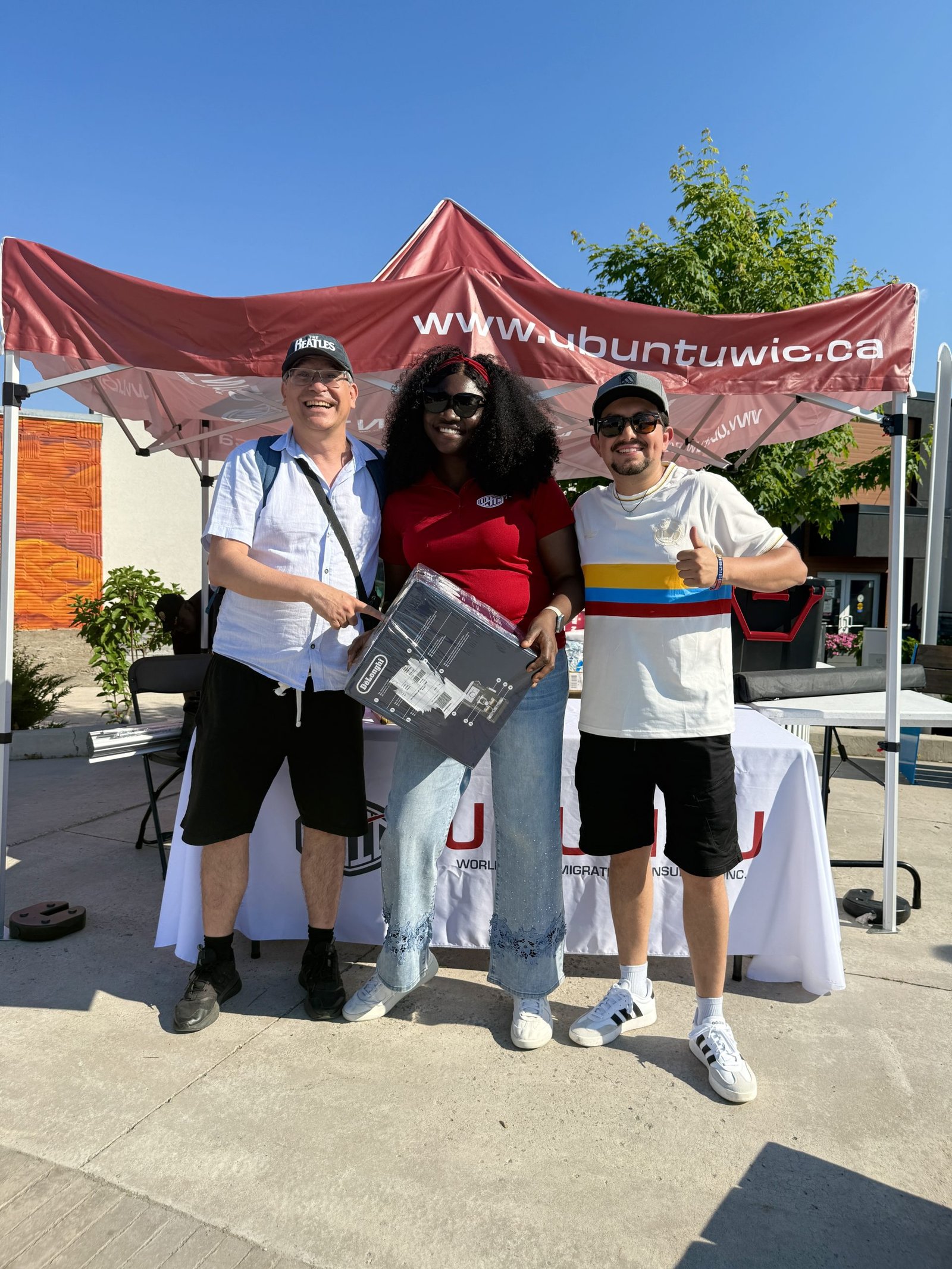
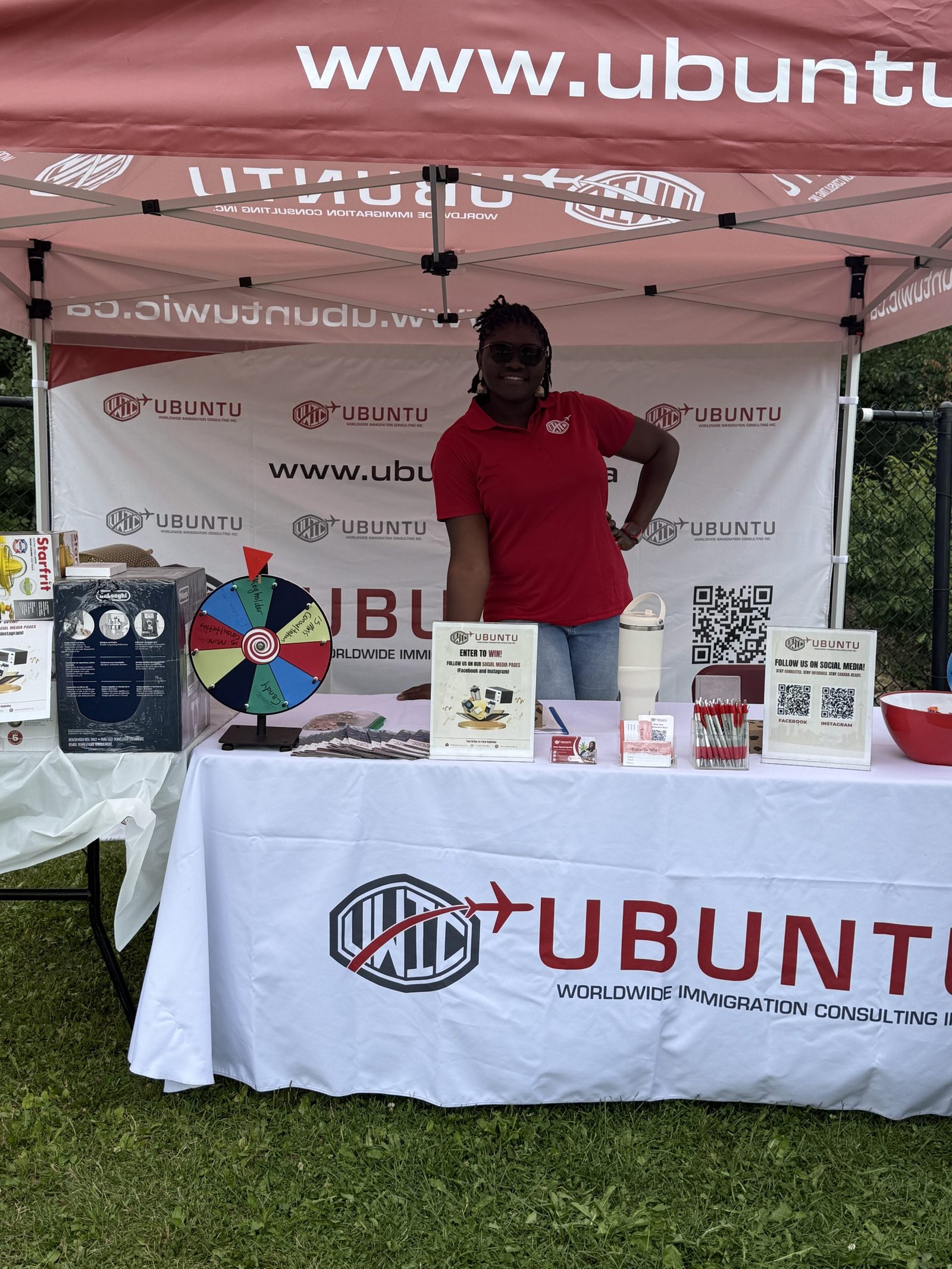
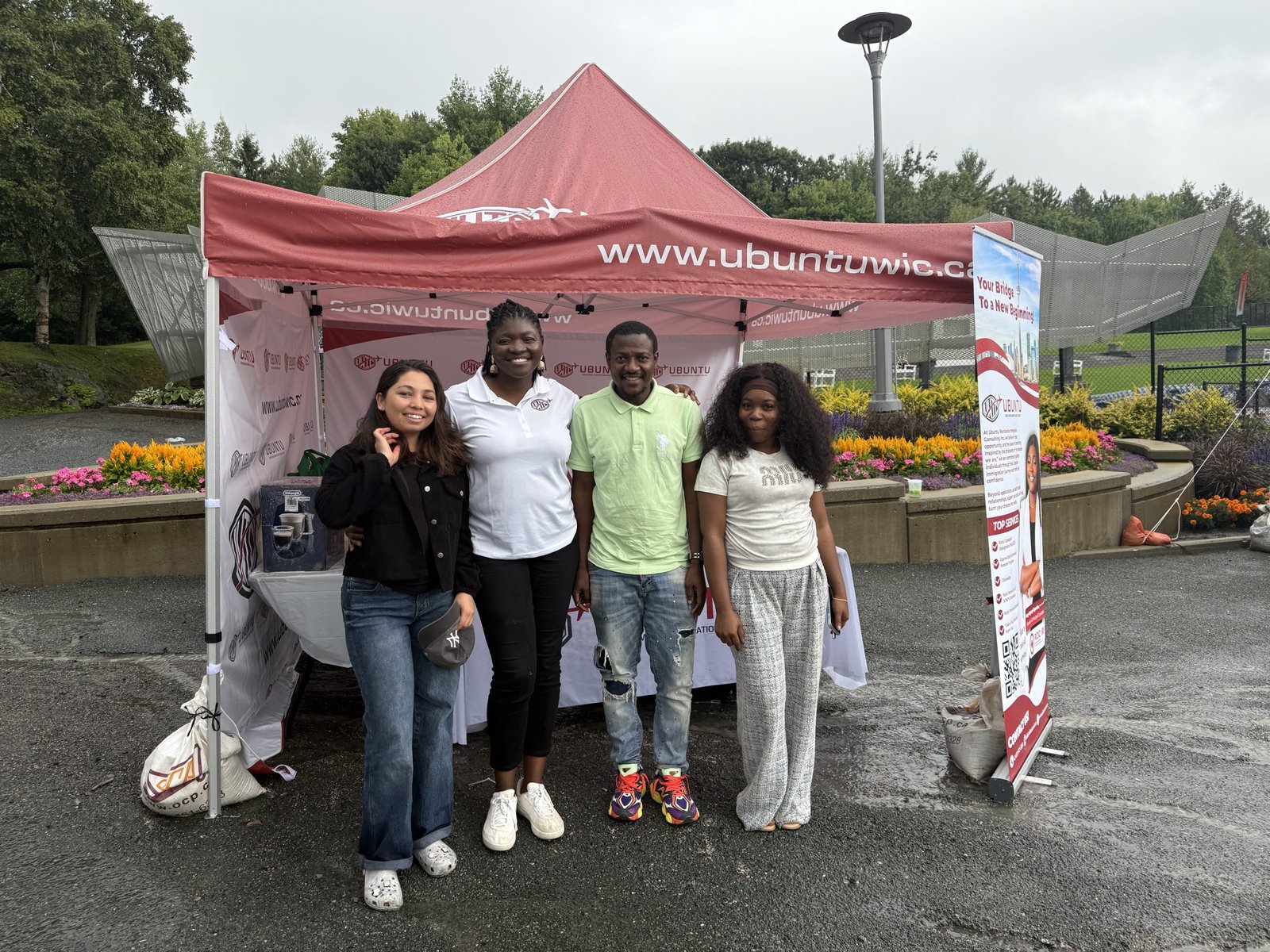
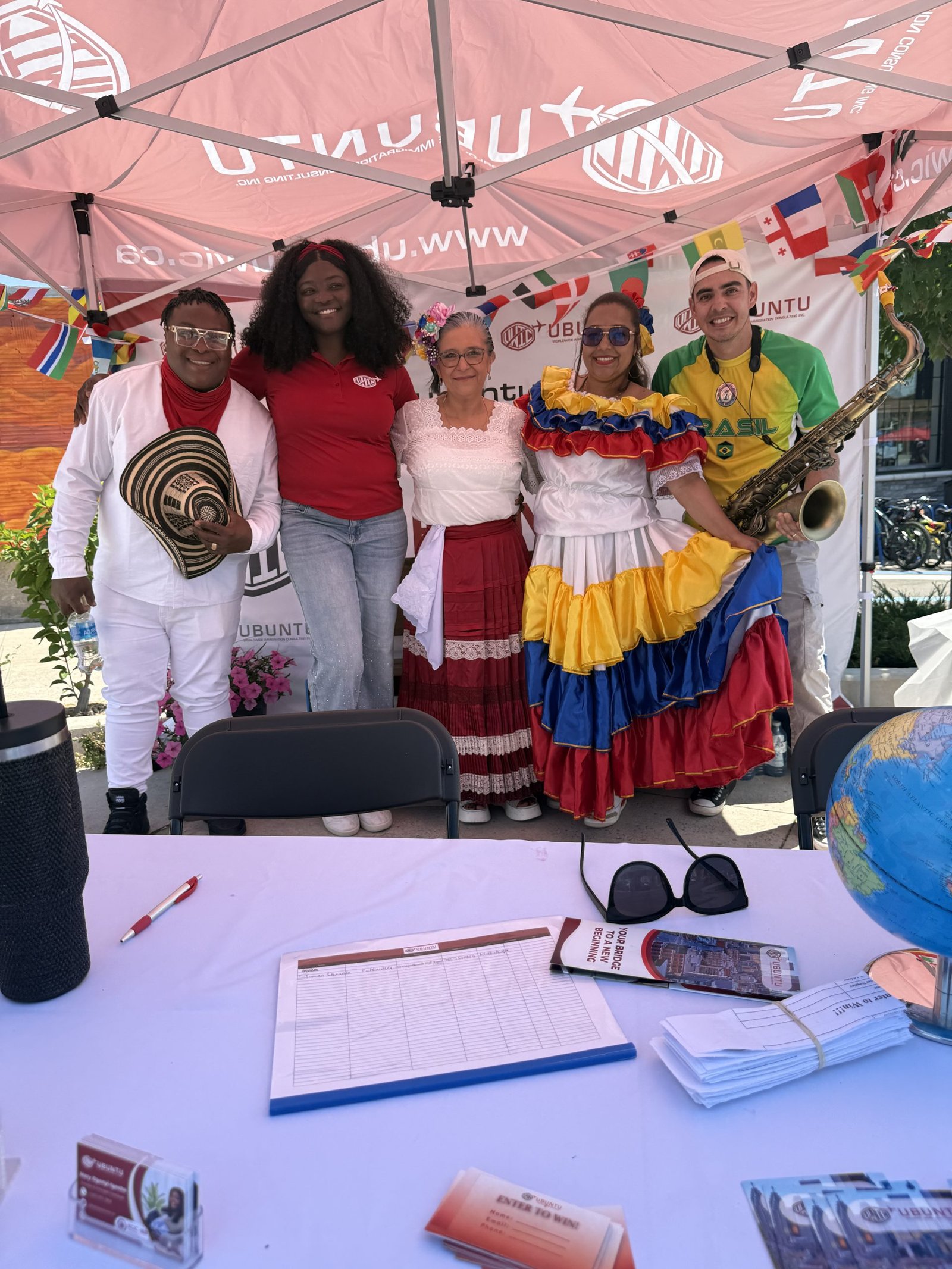
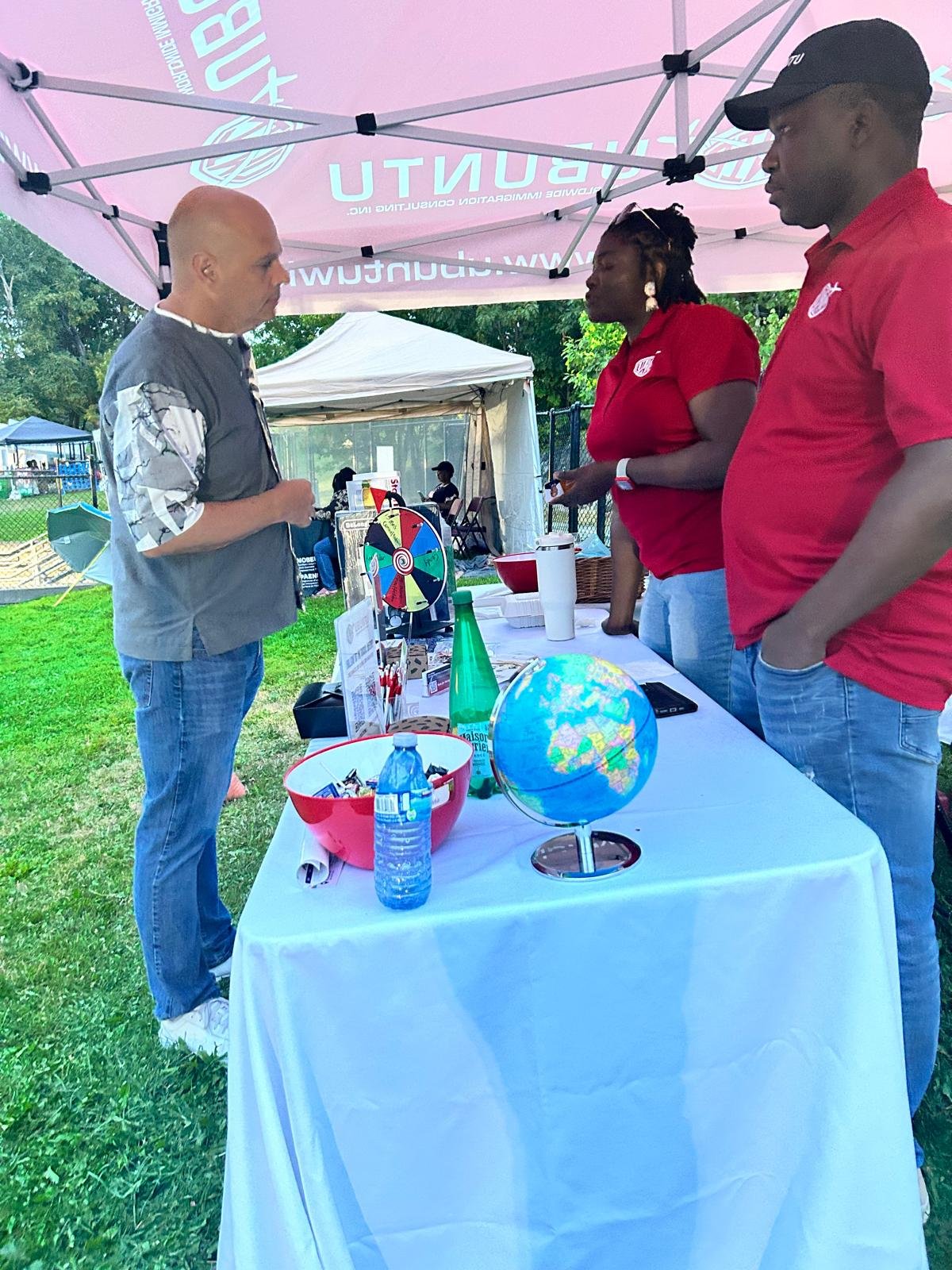
Information sessions, citizenship celebrations, community events and the everyday work of settling in. Hover to pause, click any photo to open it full size.
STAY INFORMED
Recent news
The bars that block these applications shift with wider immigration law, as the March 2026 asylum changes showed. Follow our journal so a change does not catch you mid-application.
Zero general Express Entry draws in 895 days. Ontario pays 15 points for a northern postcode and zero for Toronto. Four rural communities will not score you at all.
Manitoba issued 474 Letters of Advice to Apply on 24 September 2026, with 417 going to engineering, architecture and IT candidates at a cut-off of 760. The more useful detail is why eligible candidates were skipped – and what the Workforce Transition Bridge means for those who were not invited.
Newfoundland and Labrador invited just 62 people on 18 September, down from rounds of 400 earlier this year. The draw size is not the story. The temporary federal measure letting PNP nominees bridge without an AOR is, and it expires on 31 December 2026.
The bars that block these applications shift with wider immigration law, as the March 2026 asylum changes showed. Follow our journal so a change does not catch you mid-application.