Hiring a foreign worker in 2026 is harder than it was two years ago. Wage thresholds rose again in July, more than half of Canada’s major cities are closed to low-wage applications, and penalties have doubled. This page tells you what actually applies to your business.
She is truly nothing short of the best! From the very beginning, she has been incredibly knowledgeable, supportive, and attentive to every detail throughout my Canadian PR journey.
My case was quite complicated and, at times, I honestly felt like I had lost all hope. But she was always patient, understanding, and considerate. What makes her truly exceptional is that she doesn’t just handle the application as a process—she genuinely feels like she is living the journey alongside her clients. She understands their concerns, keeps track of even the smallest details, and always makes sure nothing is overlooked.
Trusting her with my application was one of the best decisions I made. By the grace of God, and with her expertise, dedication, and keen eye for detail, I was able to make it through a journey that once seemed almost impossible.
I am genuinely grateful for everything she has done for me and for the care and commitment she showed throughout the entire process. Her professionalism, knowledge, and dedication are truly praiseworthy. I would wholeheartedly recommend her to anyone looking for a trustworthy and dedicated immigration consultant.
Forever grateful for her guidance and support! ❤️
It’s was really a great experience having Ubuntu worldwide immigration consulting firm walk me and my family through the process of a successful new chapter from the very first step of consultation throughout the requirements to application for my family visa
We are grateful to have your experienced hands direct and lead us through the right path.
I am glad our application is worthy to be part of your success story
Many more successful applications to go 🙏
My experience with Ubuntu Worldwide Immigration Consulting was truly positive. From the beginning, they guided my family through the process with patience, professionalism, and genuine care. I especially appreciated how they took the time to answer our questions and keep us informed. Seeing our application approved was a very happy moment for my family, and I’m grateful for their support throughout the journey. I would gladly recommend their services to others.
I am truly grateful to Ubuntu Worldwide Immigration Consulting for their support throughout my family’s immigration journey. After experiencing previous refusals, we finally received approval for my husband and children, and this means so much to our family.
The team was professional, supportive, patient, and responsive throughout the process. They guided us carefully and gave us confidence even when the journey felt challenging.
Thank you to the entire Ubuntu team for helping us reach this important milestone. I sincerely appreciate your dedication and would gladly recommend your services to anyone looking for reliable and professional immigration support. ❤️🙏🏽
I honestly don’t know where to begin because it is difficult to put into words just how grateful I am for the support I received throughout my PR journey.
Immigration can come with so much uncertainty. There is so much information online, different experiences from different people, and sometimes your own previous experiences can leave you with more questions than answers. From the beginning, however, Mary brought a level of reassurance, patience, professionalism, and confidence that made such a difference for me.
What stood out most was how knowledgeable and thorough she was. She paid attention to the details, took the time to address every concern I had, and never made me feel like I was asking too many questions. Even when I needed extra reassurance or wanted to be certain that every aspect of my application had been properly considered, she remained warm, approachable, and patient. She never rushed me or dismissed my concerns. Instead, she explained things clearly and gave me the confidence to trust the process.
Her knowledge and experience were evident in the way she handled my application from beginning to end. I always felt that it was being handled with care and that nothing was being overlooked. She made what could easily have been an overwhelming and stressful journey feel much more manageable.
I am incredibly grateful that I chose to work with her and stayed the course with her, and I wholeheartedly recommend her to anyone looking for an immigration professional.
I am so glad our paths crossed, and I cannot thank her enough for being such an important part of this journey.
Thank you so much, Mary, for everything. You were truly amazing from beginning to end.
I had an excellent experience working with Ubuntu worldwide Immigration. Mary was incredibly efficient, professional, and detail-oriented throughout the entire process.
Her communication was flawless. She always responded promptly, explained each step clearly, and made sure I was informed along the way. Her attention to detail and expertise made what could have been a very stressful process feel smooth and manageable.
Thank you for helping me reach such an important milestone!
I know I’m a little late in writing this review, but I truly wanted to take the time to thank Mary and everyone at Ubuntu Worldwide Immigration Consulting Inc. for the support and guidance they gave me throughout our application.
Mary was an incredible help from start to finish. What I appreciated most was how genuinely she cared about our application. She was always professional, knowledgeable, patient and thorough, and she made sure I understood the process every step of the way. Going through an immigration application can be stressful, but having someone like Mary guiding me gave me a lot of confidence and peace of mind.
I’m sincerely grateful for all her hard work and support. Thank you, Mary, for helping us through such an important process. I truly appreciate everything you have done for us and would wholeheartedly recommend you and UWIC to anyone looking for trustworthy and genuine immigration support.
If I could give Mary & UWIC 100 stars, I would give her. She is truly more than just a consultant, she is someone we trusted with our future, and she never once let us down.
Having worked with different consultants before, we know how much of a difference the right person can make. Mary is exceptional. She doesn’t simply look at paperwork and tell you what to submit. She takes the time to carefully study your documents, understand your circumstances, create a thoughtful plan, and guide you through every step with genuine care and understanding.
What makes her even more special is that she understands the immigrant journey personally. She knows the uncertainty, the sacrifices, the hopes, and the dreams that come with building a new life in Canada because she was once an immigrant herself. That understanding made us feel heard, respected, and never alone throughout the process.
There were moments when we felt anxious about our future, but Mary always gave us reassurance and confidence. Her knowledge, dedication, honesty, and compassion made all the difference.
Thank you, Mary, for believing in us, guiding us, and helping make our Canadian dream come true. We will always be grateful for everything you have done for us. ❤️
From honest , research-based advice, through proper guidance and effective communication, to excellent attention to detail, UWIC's immigration consultancy services that prioritize the interests of clients are simply top-notch. Where's the 6th star already?
UPDATE
Thanks to the expert guidance of Ubuntu's Mary , my family and I now have a different, delightful story about our Canada journey.
I, along with my daughter, had accompanied my wife who was traveling to study in Canada, the implication being that my wife had to be the propeller for the rest of the family towards status retention/extensions, as well as Permanent Residence. Mary relentlessly looked out for alternative pathways and opportunities, never giving up even when we were going to. I became the principal applicant for our PRs, and Ubuntu handled everything. As of today, August 26, 2026, with my wife completing her studies only 2 months ago, we are now Permanent Residents of Canada. I still have 2 solid years of work permit which I do not need anymore, and my wife never got to need a Post Graduate Work Permit. How did we do it? Ask Ubuntu. They are the best.
I HIGHLY recommend Ubuntu Worldwide Immigration Service. They assisted my family in processing my parent’s visitor’s visa. The entire experience from start to finish was exceptional. Mary was professional, responsive, knowledgeable and genuinely committed to whole process.
What impressed me the most was Mary’s ATTENTION TO DETAILS and her willingness to answer questions, and provide reassurance throughout the process. Mary made the whole process stress-free!
Thank you Ubuntu Worldwide Immigration Consulting!
I am committed to spreading the good work your team do, Mary.
Curtis Obadan
We had an absolutely wonderful experience working with Ubuntu. She is a true professional who is incredibly attentive, kind, and genuinely cares about her clients. Her positive attitude and dedication made a lasting impression on us, and she made everything feel completely stress-free. We cannot thank her enough for her exceptional service. I highly recommend her to anyone looking for a top-notch experience!
I am incredibly grateful to Ms. Mary for helping me achieve my Canadian Permanent Residency. She is truly a master of her profession, and her knowledge, professionalism, patience, and dedication made my immigration journey much easier and less stressful. From the beginning, Ms. Mary personally took care of my file and guided me through every stage of the process. She made sure that everything was prepared correctly and followed up step by step until I finally received the positive response from IRCC. Her support and confidence throughout the process meant a lot to me. I highly recommend Ms. Mary to anyone looking for trustworthy and professional immigration guidance, whether for a student visa, work permit, PR, or citizenship. A huge kudos to the entire Ubuntu Worldwide Immigration Inc. team for their outstanding service and dedication. Thank you, Ms. Mary, for helping make my Canadian dream a reality. I strongly recommend your services to everyone. God bless you and your team.
Ubuntu Worldwide Immigration Consulting Inc., and especially Mary, made our PR application under RCIP a success from start to finish. The journey was intense and there were moments of uncertainty, but Mary was patient, considerate, and always kept us on track, even pushing us when we needed it most.
She was thorough, responsive, and genuinely invested in our success, not just as a client but as people trying to build a life here. Thanks to her guidance and expertise, our PR application was approved, and we couldn't be more grateful.
We wholeheartedly recommend Mary and Ubuntu Worldwide Immigration Consulting to anyone pursuing their Canadian dream. Wishing the company continued growth so more families can experience the same care and dedication we did.
Thank you, Mary, for everything! God bless you! ❤️
I had an excellent experience with Ubuntu Worldwide Immigration Consulting Inc. throughout my PR application process. Mary was professional, responsive, and highly knowledgeable about Canadian immigration requirements. She guided my family and me through every step of the process, ensuring that all our documents were accurately prepared and submitted on time. She consistently kept us informed about the progress of our application and was always available to answer our questions.
What I appreciate most is her dedication and genuine commitment to helping families succeed. Thanks to her expertise and support, our children were also able to join us in Canada, which meant everything to us. Her guidance made what could have been a stressful and overwhelming process much smoother and more manageable.
I am truly grateful for Mary's hard work and professionalism, and I highly recommend her services to anyone seeking trusted and reliable assistance with Canadian immigration.
I had one of the best experiences working with Ubuntu. if I could give more than 5 stars I would. A true lifesaver. The peace of mind given settled all my fears. Communication is great and service is the impeccable. Mary made the entire journey stress free and I'm can't wait to work with her again.
Thank you so much, Mary, for making the whole student permit application process for my son so smooth. I was honestly so anxious these past few weeks while waiting for the result, and receiving his approval brought me so much relief and happiness.
I’m truly grateful for your guidance, and support throughout the entire process. Thank you for helping make this important opportunity for my son possible. I sincerely hope you continue to help many more students and families achieve their dreams. Your hard work and dedication are truly appreciated. ❤️🙏
My experience with Ubuntu Worldwide Immigration was so amazing. I found her page on Instagram and decided to use her for my application and everyday I remain grateful to myself for taking that decision because her customer service is so excellent,she listens and explains everything you need clarity on and to the glory of God my PGWP and my husband’s work permit extension was approved. I highly recommend her 100% and honestly your satisfaction & fulfilment is guaranteed.
Ubuntu handled my mother's visa application process with topmost professionalism and outstanding attention to detail.
Mary maintained a respectful demeanor and kept communication clear and prompt all through.
Mary ensured we put in a strong application especially since my mum had a previous refusal. Mary loves and is excellent at what she does and its evident in the amout of time she spent to ensure we got a favorable result.
Thank you for making this family reunification a reality.
Mary of Ubuntu Worldwide is very very good at what she does. After a diy visitor visa refusal for my mum, I went to her to help with reapplication and her expertise helped in getting an approval. If I could rate her move than 5 stars, I would.
I had a great experience with Ubuntu worldwide immigration consulting Inc. for my visa file.I was worried about my status but she always answered my every questions quickly and told me exactly what documents to prepare. She made a super stressful process so much easier. My application got approved with no issues at all. Huge thanks to the Mary — definitely use them if you need help immigrating!
I can’t thank Mary enough for all her support and hard work throughout my immigration process. She was professional, patient, and always available to answer my questions and guide me every step of the way. I truly appreciate her dedication and the care she put into helping me. I highly recommend her services to anyone looking for reliable and trustworthy support!
They were a pleasure to work with and were very responsive. They kept us updated with the application status and paid great attention to details. I highly recommend their services.
I would like to sincerely thank you, Mary, for helping me with my children's student visa applications. With your guidance and support, we received their approval, and we will soon be reunited with them.From the beginning until the end, you patiently guided me, answered all my questions, and made the entire process much less stressful. I truly appreciate your dedication and professionalism.
I will definitely recommend you to my friends and anyone looking for reliable assistance. Thank you so much for everything, and God bless you!
We had an excellent experience working with Mary of Ubuntu Worldwide Immigration Consulting Inc. for our work permit application. She was very professional, knowledgeable, proactive, and extremely organized throughout the entire process.
She patiently answered all our questions, guided us step by step, and made sure our documents were properly prepared and submitted. Her attention to detail and expertise gave us a lot of confidence and made the whole process much less stressful.
Thanks to her help, we successfully received our work permit. We are truly grateful for her support and would highly recommend Ubuntu Worldwide Immigration Consulting Inc. to anyone looking for reliable and professional immigration assistance.
Another wonderful experience with Mary at Ubuntu Worldwide Immigration Consulting Inc.! She assisted us with my Post-Graduate Work Permit application and was exceptional from start to finish.
Mary was upfront with us from the beginning, letting us know there was a strong chance we’d receive a 3-year PGWP and she was right, it was approved! However, IRCC issued the permit in line with my passport’s expiry date rather than the full three years. Her expertise meant we always knew what to expect , no surprises, just confidence in the process.
Her knowledge of immigration matters is clearly extensive, and her honesty throughout gave us real peace of mind. She was professional, responsive, and supportive at every step, always making sure we understood what was happening and why.
We’re so grateful for Mary’s help and wholeheartedly recommend her and Ubuntu Worldwide Immigration Consulting Inc. to anyone looking for reliable, trustworthy immigration support!
We are beyond grateful to Mary and the entire team at Ubuntu Worldwide Immigration Consulting Inc. for helping us in our application. Our case was complicated as our previous work permit application had been refused, and we had already lost our status. We felt hopeless and overwhelmed, but Mary helps us with kindness and patience. She took the time to listen to every detail of our situation and reassured us that there was still hope. She helps us with the application of a new work permit for my husband and an open work permit for myself.
Mary is not only incredibly knowledgeable and professional, but she also has a truly compassionate heart. Her expertise, strategic approach, and deep understanding of the immigration system gave us confidence and peace of mind throughout the entire process. She explained everything clearly and guided us every step of the way with honesty and dedication.
Thanks to Mary’s hard work and commitment, our work permit application and restoration were successfully approved. We will always be thankful for her support and for never giving up on our case.
We highly recommend Mary and Ubuntu Worldwide Immigration to anyone needing help with immigration matters such as work permits, restoration of status, RCIP-PR, student visas, and many more. You can truly trust that you are in caring and capable hands.
From the bottom of our hearts, thank you so much, Mary, Ubuntu Immigration Services, and your amazing staff.
May you continue helping and blessing more people through your excellent service!
I had one of the best experiences with Ubuntu Worldwide Immigration Consulting during my PR journey. Their commitment, guidance, and professionalism were truly outstanding from start to finish.
She is extremely reliable, knowledgeable, and experienced in immigration services. What I appreciated the most was her honesty, commitment and clear guidance — she always explained exactly what was required for my case and made sure everything was completed correctly and on time.
Whenever I had questions or concerns, she responded almost immediately and was always there to support and reassure us throughout the process. Her dedication and hard work were incredible; she genuinely puts in 101% effort to help her clients succeed.
Thanks to her excellent support and guidance, we successfully received our PR, and we are truly grateful for everything she did for us. I highly recommend Ubuntu Worldwide International to anyone looking for trustworthy and professional immigration consulting services.
Thank you very much for your exceptional support and for making our dream come true!
Mary truly went beyond my expectations in helping me achieve my goal of becoming a Permanent Resident.
I was previously a client of Ubuntu Immigration, but when I applied for my PR I was no longer a paid client. Despite that, Mary still took the time to assist and guide me throughout my application. She was always just a call away and never failed to answer my questions whenever I needed clarification.
Her sincerity, patience, and genuine willingness to help made a huge difference in my journey. She never made me feel like I was on my own during the process. Her expertise in immigration is truly remarkable, and she made sure that every requirement requested by IRCC was properly prepared, organized, and submitted in a professional manner.
Applying for PR can be stressful and overwhelming, but having someone knowledgeable and trustworthy like Mary made the process much easier and gave me confidence every step of the way. I am deeply grateful for her support, guidance, and kindness.
If you are looking for someone reliable, professional, and truly dedicated to helping their clients succeed, I highly recommend Mary. Thank you for being such a big part of my journey.
1000% highly recommended!
START HERE
Can you actually hire this worker?
More than half of Canada’s major metropolitan areas are currently closed to low-wage applications. Before you advertise a role or pay a fee, find out whether the application would even be assessed.
LMIA Route Finder
Four answers. We tell you which stream you fall into, whether your city is currently closed to the application, what your cap and advertising obligations are, and what it will cost.
Threshold loading
Enter the gross hourly rate, before deductions.
Low-wage applications are refused outright in metropolitan areas where unemployment is 6% or higher.
Several sectors are exempt from the city closure and get a higher worker cap.
THE LINE THAT DECIDES EVERYTHING
Wage thresholds rose again in July 2026
Every province went up. Nova Scotia rose by nearly two dollars an hour. If you budgeted a role against last year’s threshold, check it again before you advertise.
Province or territory
From 17 July 2026
Previous
Change
Northwest Territories
$48.00
$48.00
No change
Yukon
$45.60
$44.40
Up $1.20
Nunavut
$45.00
$42.00
Up $3.00
British Columbia
$38.40
$36.60
Up $1.80
Alberta
$37.50
$36.00
Up $1.50
Ontario
$36.92
$36.00
Up $0.92
Quebec
$36.00
$34.62
Up $1.38
Saskatchewan
$34.62
$33.60
Up $1.02
Newfoundland and Labrador
$33.60
$32.40
Up $1.20
Nova Scotia
$31.96
$30.00
Up $1.96
New Brunswick
$31.73
$30.00
Up $1.73
Manitoba
$31.33
$30.16
Up $1.17
Prince Edward Island
$31.20
$30.00
Up $1.20
The threshold is the provincial median hourly wage plus 20%, drawn from the Labour Force Survey. It decides whether your application is treated as high-wage or low-wage, which in turn sets your advertising period, your maximum employment duration, whether the metropolitan closure applies to you, and whether you are subject to the cap. A single cent below the line changes all of it.
OFTEN THE BETTER ANSWER
Routes that need no assessment
Employers reach for a labour market impact assessment by default, and often it is the slowest and most expensive option on the table. Four of these need no assessment at all.
No LMIA · IMM 0247
Rural Community Immigration Pilot designation
If your business is in a participating rural community, designation lets you hire foreign workers with no labour market impact assessment at all, and puts your employee on a direct path to permanent residence. Sault Ste. Marie is one of the fourteen participating communities, which is why we know this route well.
Cost of designationFree
Operating history required2 years continuous in the community
Work located in communityAt least 75% of the business work
Job offerFull time, non-seasonal, indeterminate
Why employers like this one: no advertising period, no $1,000 fee, no wage threshold test and no metropolitan closure. You must be operating in a priority occupation the community has identified, complete two free training courses, and agree to support the newcomer settling in. Staffing agencies cannot be designated, and neither can a business owned by the candidate or their spouse. The optional two-year work permit runs through the International Mobility Program with the $230 compliance fee.
C61 · C62 · C63
Intra-company transfer
If your business is part of a multinational group, you can move an existing employee into the Canadian entity without an assessment. The old single code was split into three, and the distinction matters because the durations differ sharply.
Core requirement1 year full-time in a similar role in the last 3 years
New branch, C61Maximum 1 year, no extension
Executives and managers, C623 years initially, 7 year total cap
Specialised knowledge, C633 years initially, 5 year total cap
Two things that catch businesses out: franchise, licensing and contractual relationships do not create a qualifying corporate relationship, and you must still pay at least the prevailing wage. Once the total cap is reached the employee needs a full year of work outside Canada before reapplying.
T34 · T35 · T36 · T37 · T38
CUSMA professionals and transferees
The Canada, United States and Mexico agreement gives citizens of those two countries streamlined access, with no assessment and no advertising. Sixty-three professional occupations are listed, covering engineers, accountants, scientists, management consultants and many health professions.
Who qualifiesCitizens of the United States and Mexico only
Worth knowing: permanent residents of the United States do not qualify, only citizens. There are no spousal work privileges attached, and professional licensing requirements in the province are not waived. Genuine business visitors may not need a permit at all.
C16
Mobilite Francophone
An often overlooked route. If you are hiring a French-speaking worker to a role outside Quebec, no assessment is required, whatever the wage or the local unemployment rate.
Language standardNCLC 5 or higher in French speaking and listening
DestinationAnywhere in Canada outside Quebec
OccupationsAny TEER level, with narrow agricultural exceptions
Employer cost$230 compliance fee only
Why this is underused: it sidesteps the wage threshold, the metropolitan closure, the cap and the $1,000 fee entirely. For employers in northern and eastern Ontario with francophone labour markets nearby, it is frequently the cleanest route available.
Two week standard
Global Talent Stream
Still requires an assessment, but a fast one. Category A needs a referral from a designated partner for unique and specialised talent. Category B needs no referral at all if the occupation is on the Global Talent Occupations List, which is largely technology roles.
Processing standard10 business days
Advertising requiredNone
Category A wage floor$38.46 an hour, or $80,000
ObligationLabour Market Benefits Plan
The trade-off: the benefits plan commits you to measurable outcomes such as job creation, skills transfer or investment in training, and Service Canada follows up on them. The occupations list has not been refreshed since December 2022, so confirm your role is still on it before planning around this stream.
THE PART EMPLOYERS UNDERESTIMATE
Compliance, inspections and penalties
Penalties more than doubled in the last reporting year. Most findings we see are administrative rather than deliberate, which is precisely why they are avoidable.
1,488Inspections finalised in 2025 to 2026
12%Found non-compliant
$10.2MIn penalties, more than double the previous year
30Employers banned from the programme
You can be inspected at random
Employers often assume an inspection follows a complaint. It does not have to. Random selection is an explicit ground, alongside suspected non-compliance and any prior history.
Inspections may be on site or virtual, announced or unannounced, and no warrant is required except for a private dwelling
Inspectors may look back six years and interview your workers
You must keep records for six years from the first day of the employment period
There are 29 separate conditions assessed, covering wages, duties, working conditions and an abuse-free workplace
What non-compliance costs
The penalty regime is severe and the numbers moved sharply in the last reporting year.
Monetary penalties from $500 to $100,000 per violation, capped at $1 million over one year
Bans of 1, 2, 5 or 10 years, or permanent for the most serious findings
Publication on the public list of non-compliant employers, which currently runs to well over a thousand entries
Issued assessments can be suspended or revoked, pending work permits refused and active permits revoked
A listed employer also cannot hire open work permit holders
The process, and where you can still act
A finding is not the end. You get a formal opportunity to respond before anything is decided.
A Notice of Preliminary Finding is issued first
You have 30 days to respond with evidence and explanation
A Notice of Final Determination follows
Outcomes are scored on the number and seriousness of violations, your history, how many workers were affected, and the size of your business
Voluntary disclosure before you receive a notice of inspection is treated as a mitigating factor
The mistakes we see most
Almost none of the findings we encounter are deliberate. They are administrative.
Paying a different wage from the one on the offer, even when the worker agreed to it
Changing duties so the job no longer matches the occupation approved
Recovering the $1,000 fee from the worker, which is expressly prohibited
Discarding recruitment records before the six years are up
Assuming an assessment remains valid indefinitely. A positive decision lasts six months
HOW A HIRE ACTUALLY RUNS
From vacancy to a worker on site
Week 1
We check the wage against the current provincial threshold, whether your location is closed to low-wage applications, your work site cap, and whether a route needing no assessment would be faster and cheaper. For many employers the answer at this stage is that an intra-company transfer, Mobilite Francophone or community designation beats an assessment outright.
4 to 8 weeks, and it cannot be shortened
High-wage roles need four consecutive weeks and three recruitment activities, one national in scope. Low-wage roles need eight consecutive weeks, youth outreach, and two further methods each targeting a different underrepresented group. Job Match must be left on default rather than strict, Direct Apply must stay enabled, and at least one activity must run until the decision.
1 to 2 weeks
The application covers the business, the position, the wage and working conditions, and your recruitment record. High-wage applications need a transition plan setting out how you will reduce reliance on foreign workers. This is where most refusals are actually decided, because gaps in the recruitment evidence cannot be fixed later.
73 to 88 business days for most streams
As at July 2026, low-wage applications average 73 business days and high-wage 88. The Global Talent Stream runs to a 10 day standard and agricultural applications average 23. The clock starts only when the file is complete, and the fee is $1,000 per position, payable by you and never recoverable from the worker.
Varies by the worker nationality
A positive decision is valid for six months, and the worker then applies for the permit. Processing depends on where they apply from and whether biometrics and a medical are needed. Plan the start date backwards from this, not forwards from your decision.
Ongoing
Your obligations begin rather than end when the worker arrives. Wages, duties and conditions must match what was approved, records must be kept for six years, and you may be inspected at random. If circumstances change, tell us before you change them. Voluntary disclosure before a notice of inspection is a mitigating factor. Afterwards, it is not.
WHY UBUNTU WORLDWIDE
Practical help for Canadian employers
0Metropolitan areas currently closed to low-wage applications
0Government fee per position, never recoverable from the worker
0How long you must keep records, and how far back inspectors can look
0Routes on this page that need no assessment at all
We start by asking whether you need one at all
Most employers arrive convinced they need a labour market impact assessment. Often they do not. An intra-company transfer, a CUSMA professional, a francophone hire outside Quebec or community designation can each skip the advertising period, the $1,000 fee and the metropolitan closure entirely.
We know the rural pilot from the inside
Our office is in Sault Ste. Marie, one of the fourteen Rural Community Immigration Pilot communities. Designation costs nothing, needs no assessment, and puts your employee on a direct path to permanent residence, which is usually what actually solves a retention problem.
Compliance is part of the job, not an afterthought
Penalties more than doubled last year to over $10.2 million, and inspections can be random. We set your recruitment records and documentation up so they survive an inspection six years later, because that is when it will happen.
Licensed, insured and on the public register
We are regulated by the College of Immigration and Citizenship Consultants. If someone offers to sell you a job offer or guarantee an approval, that is a reason to walk away and call us instead.
QUESTIONS EMPLOYERS ASK US
The questions that come up first
Almost certainly the metropolitan closure. Since 26 September 2024, Service Canada refuses to process low-wage applications for jobs in any census metropolitan area where unemployment is 6% or higher. It is not a refusal on the merits. The file is simply not looked at.
The list is refreshed quarterly. For the quarter beginning 10 July 2026, twenty-six metropolitan areas are above the line, including Toronto at 7.3%, Montreal at 6.8%, Vancouver at 6.7%, Calgary at 7.0%, Edmonton at 7.2% and Greater Sudbury at 6.2%. The next refresh is 9 October 2026.
Several sectors are exempt: primary agriculture, construction, food manufacturing, hospitals, nursing and residential care, and in-home caregiving. Positions supporting permanent residence only, and genuinely short-duration roles of 120 days or less, are also exempt.
Four practical options, in the order we usually consider them.
Raise the wage above the threshold. The closure applies only to low-wage positions. Crossing the line moves you into the high-wage stream, where the closure and the cap do not apply, and shortens advertising from eight weeks to four.
Use a route that needs no assessment. An intra-company transfer, a CUSMA professional, or Mobilite Francophone for a French-speaking hire outside Quebec each skip the process entirely.
Hire at a location outside the closed area. The test is where the job is, not where your head office is.
Get designated under a community pilot. If you operate in a participating rural community, designation removes the assessment requirement altogether.
The government fee is $1,000 per position and it is non-refundable, including where the outcome is negative. It cannot be recovered from the worker in any form, and attempting to do so is a compliance violation.
Some applications are exempt: on-farm primary agriculture occupations, positions supporting permanent residence only, and certain caregiving roles where the person needs medical care or where childcare is for a child under 13 in a household earning $150,000 or less.
For processing, as at July 2026: low-wage averages 73 business days, high-wage 88, agricultural 23, seasonal agricultural 8, and the Global Talent Stream 10. Add the advertising period beforehand, which is four to eight weeks, and the worker permit afterwards. A positive decision is valid for six months.
For low-wage positions the general cap is 10% of the workforce at that work location. It rises to 20% for construction, food manufacturing, hospitals, nursing and residential care, and in-home caregiving in private households.
There is also a temporary easing for rural employers outside metropolitan areas, running from 1 April 2026 to 31 March 2027, allowing a 15% cap or retention of an existing higher proportion. It requires the province to opt in. Quebec, Manitoba, Nova Scotia, New Brunswick, British Columbia, Newfoundland and Labrador and the Northwest Territories are participating. Alberta, Ontario and Nunavut are not.
If you have fewer than ten employees at a location, the formula still uses a workforce of ten, so the practical maximum is one worker under the 10% cap or two under the 20% cap. Part-time staff count as half. On-farm primary agriculture is not capped at all, and high-wage positions are outside the cap entirely.
It depends on the stream, and the low-wage requirements were tightened in 2026.
High-wage: four consecutive weeks within the three months before you apply, using three recruitment activities. One must be the national Job Bank and one must be national in scope.
Low-wage: eight consecutive weeks, using the Job Bank, mandatory outreach to youth aged 15 to 30, and two further methods each targeting a different underrepresented group, such as Indigenous peoples, newcomers, persons with disabilities, or asylum claimants holding valid work permits.
For both, Job Match must be set to default rather than strict, Direct Apply must stay enabled and applicants genuinely considered, at least one activity must remain live until the decision, and records must be kept for six years. Two online methods of the same type count as one.
Some occupations have variations. Primary agriculture needs only 14 calendar days, the entertainment sector needs none, and academics, air pilots and religious instructors each have their own rules.
No, and this is one of the most common compliance findings we see. The $1,000 fee cannot be paid by or recovered from the worker in any form, including a deduction from wages, a repayment agreement, or an informal arrangement.
The same principle applies more broadly. You must pay the wage and provide the working conditions set out in the offer, even if the worker agrees to something different afterwards. Consent is not a defence.
Penalties run from $500 to $100,000 per violation, capped at $1 million over one year, with bans of one, two, five or ten years, or permanent for the most serious findings. In the 2025 to 2026 year, 1,488 inspections were finalised, 12% found non-compliance, and penalties exceeded $10.2 million.
Yes, and for many employers it is the better answer. Four routes are covered on this page.
Intra-company transfer moves an existing employee from a related company abroad. It needs a genuine corporate relationship, and franchise or licensing arrangements do not qualify.
CUSMA covers citizens of the United States and Mexico, with 63 listed professional occupations plus traders, investors and transferees.
Mobilite Francophone covers French-speaking workers destined outside Quebec, at NCLC 5 or above in speaking and listening. It is badly underused, and it bypasses the wage threshold, the closure, the cap and the $1,000 fee.
Community designation under the Rural or Francophone Community Immigration Pilots costs nothing, needs no assessment, and leads to permanent residence for the worker.
Each still involves an offer of employment through the Employer Portal and the $230 compliance fee, but none requires advertising or an assessment.
The community designates employers, not IRCC, and there is no cost. Sault Ste. Marie is one of the fourteen Rural Community Immigration Pilot communities, and we work with it directly.
To qualify you must have operated continuously in the community for at least two years, be in good standing under employment standards and health and safety law, be hiring into a priority occupation the community has identified, and have at least 75% of your business work inside the community boundaries. You also complete two free training courses and agree to support the newcomer settling in.
Staffing agencies cannot be designated. Neither can a business owned or controlled by the candidate or their spouse, including indirect ownership above 50%, nor a business owned by an immigration representative.
The job offer must be full time at 30 or more paid hours a week, non-seasonal and indeterminate. There is an optional two-year employer-specific work permit while permanent residence is processed.
Talk to us before your next renewal rather than after. Several changes since 2024 apply to renewals as well as new hires, and employers are often caught out when a role that was straightforward two years ago is now in a closed city, over the cap, or limited to one year instead of two.
If you think something in your current arrangements may not match what was approved, raise it early. Voluntary disclosure before you receive a notice of inspection is treated as a mitigating factor. After a notice arrives, it is not.
Practical housekeeping that pays off: keep every recruitment record for six years, keep wages and duties aligned with the approved offer, and diarise the six-month validity of any positive decision so it does not quietly expire.
OUT IN THE COMMUNITY
Events, Community and milestones
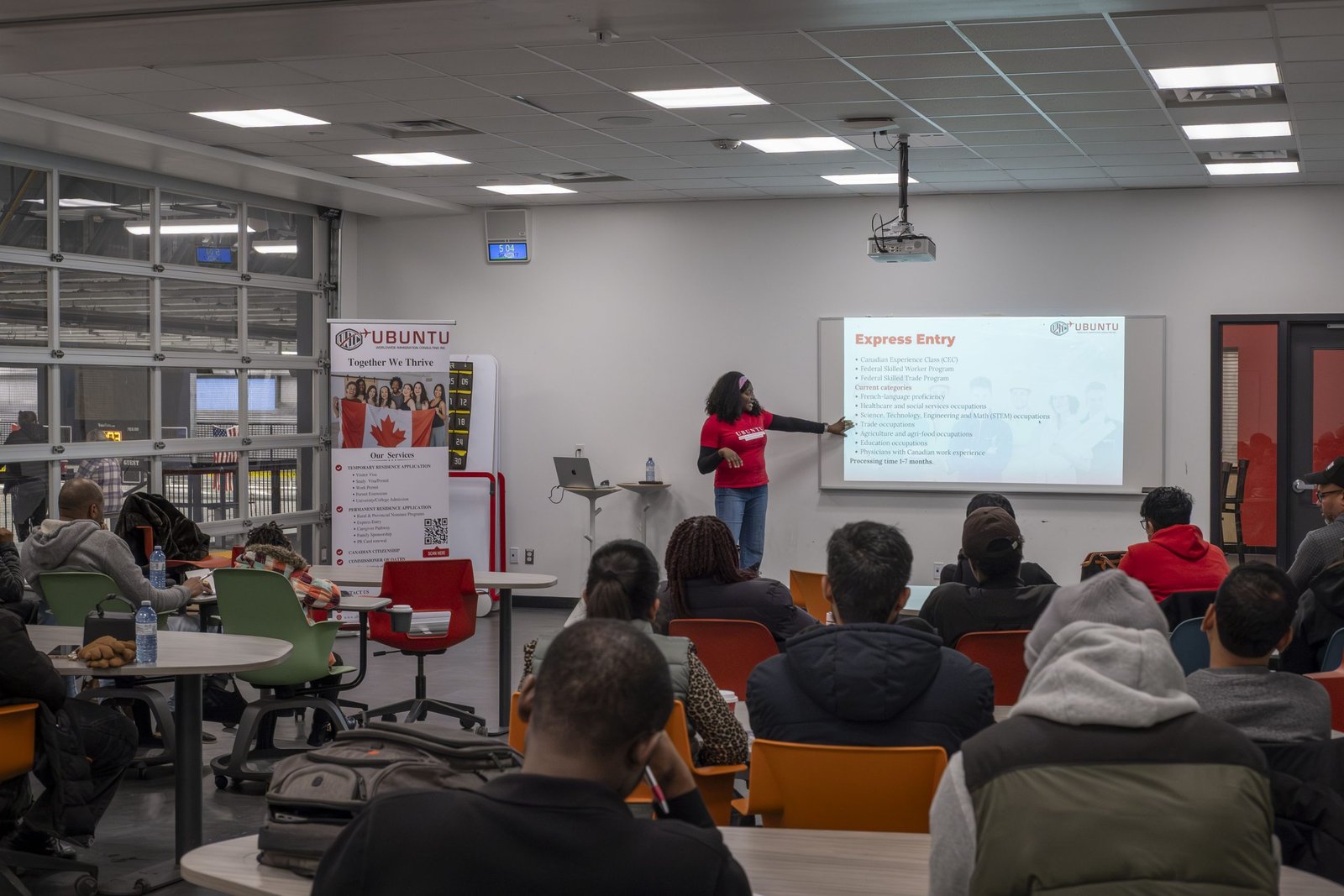
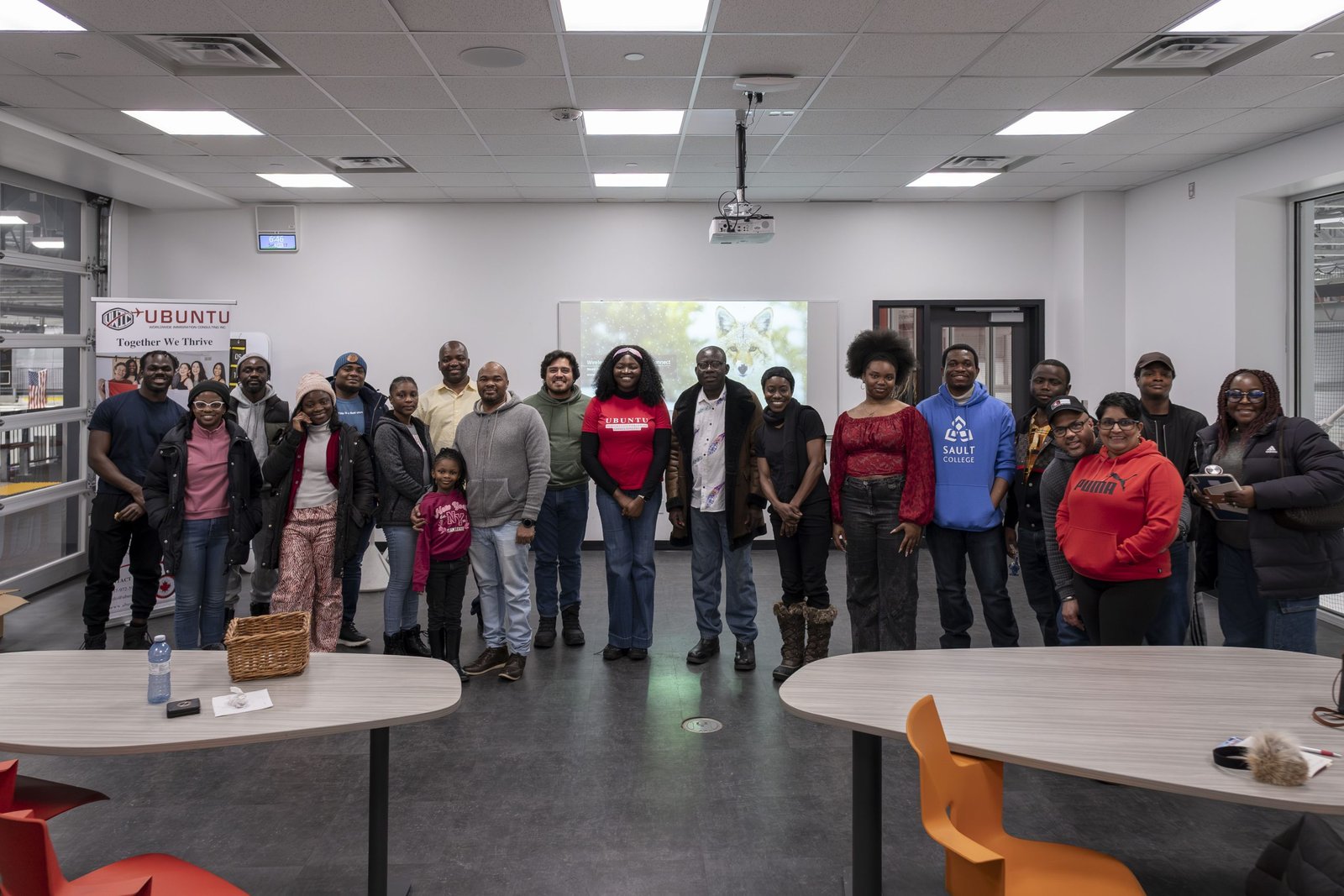
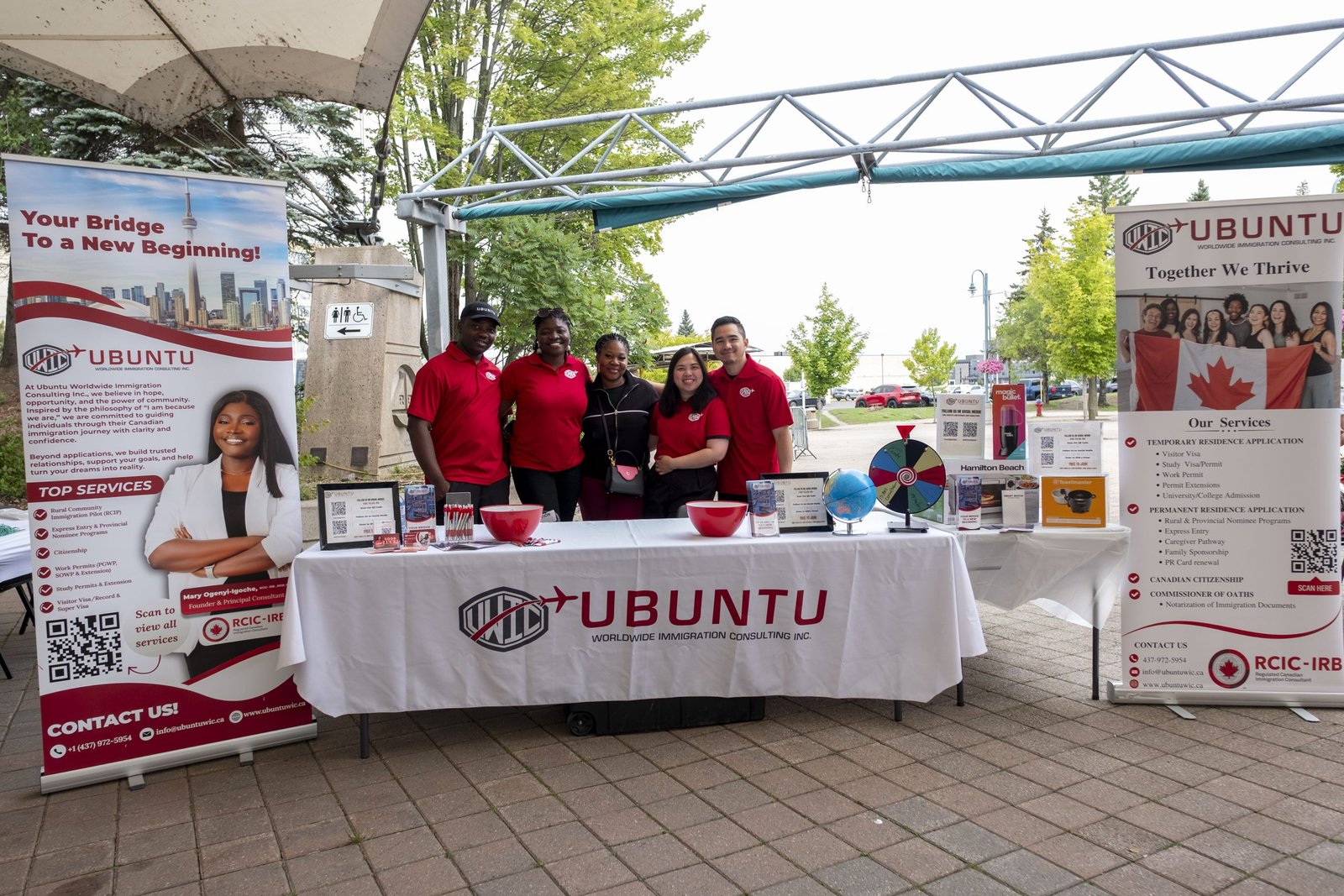
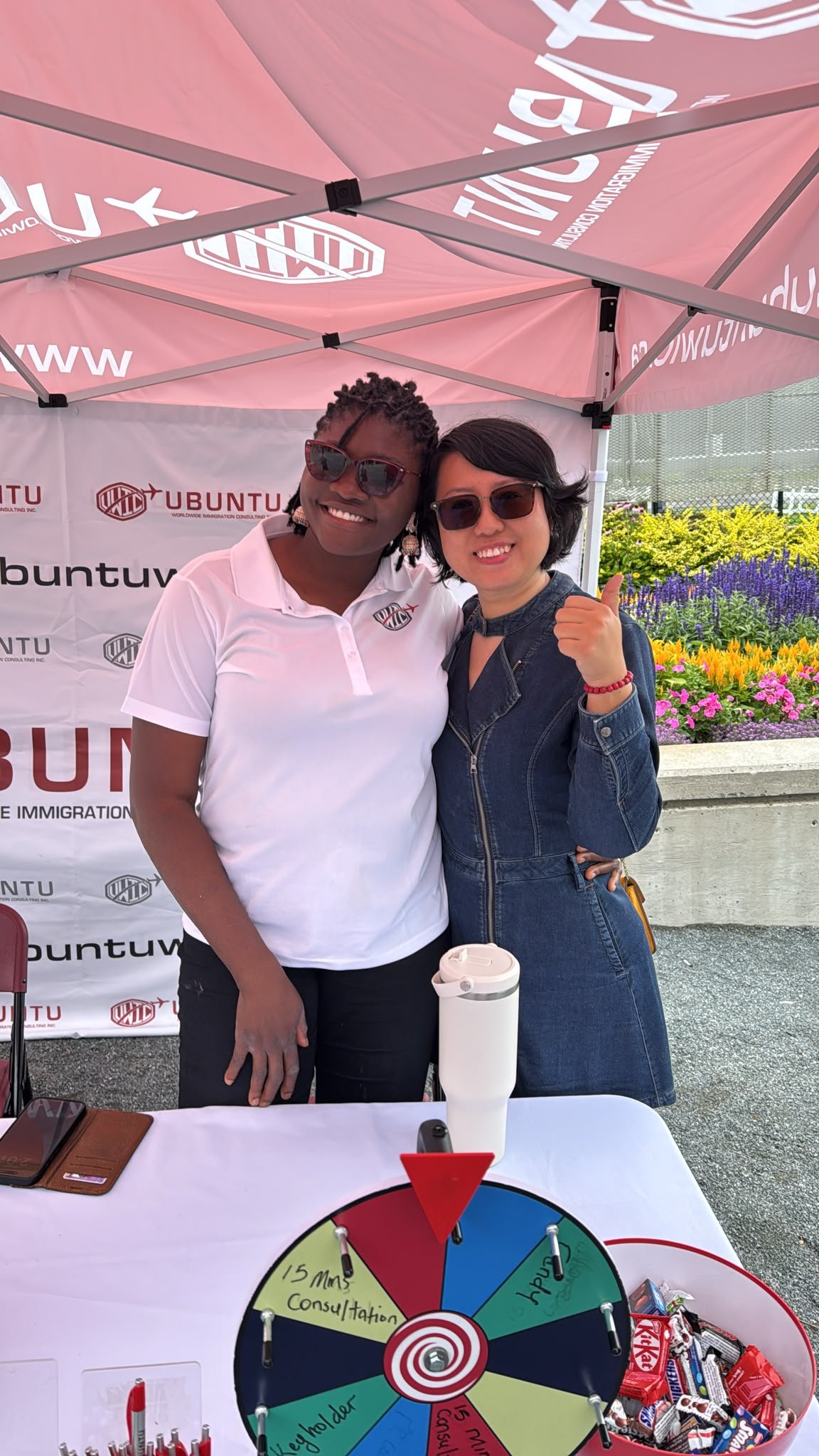
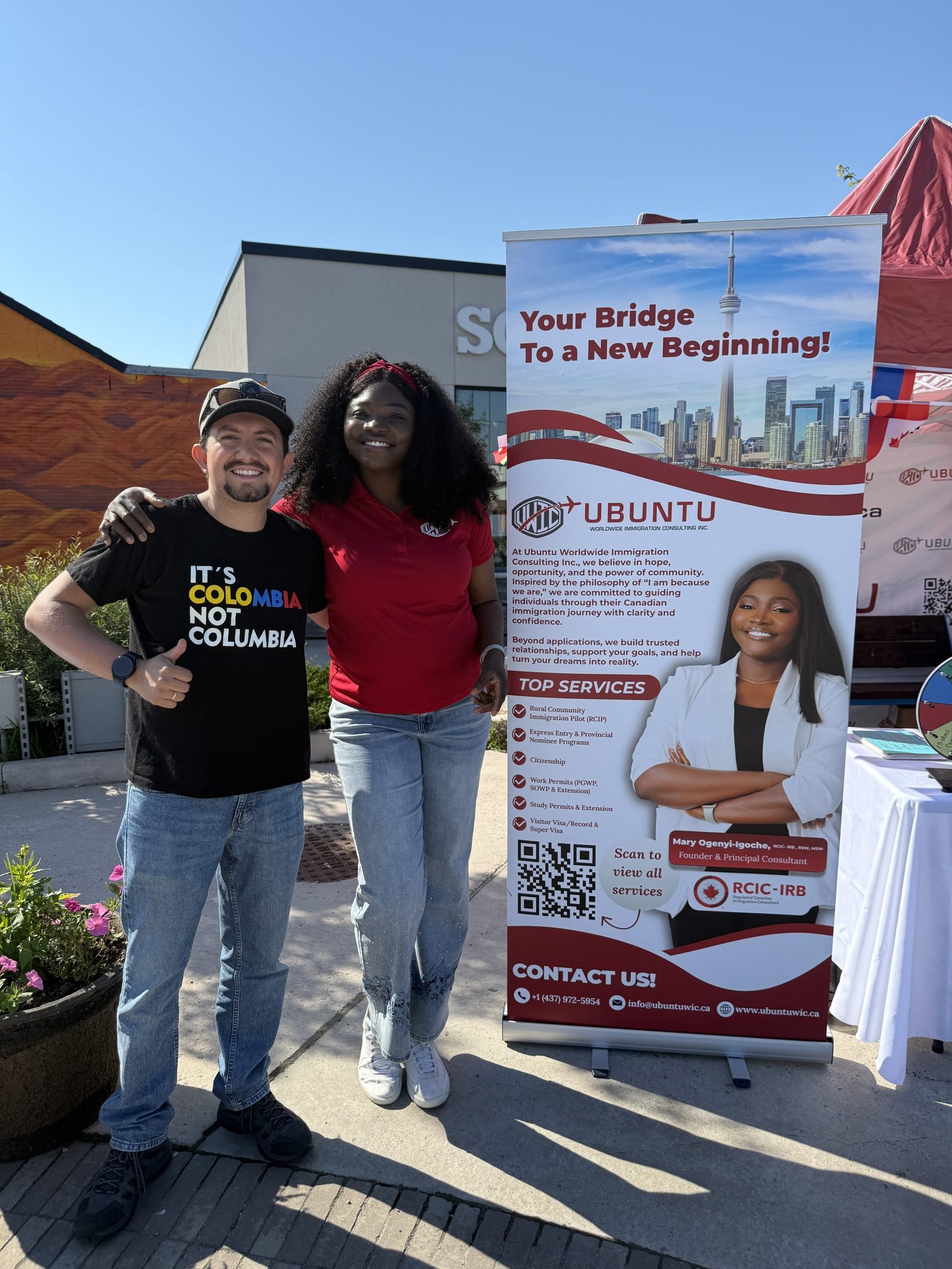
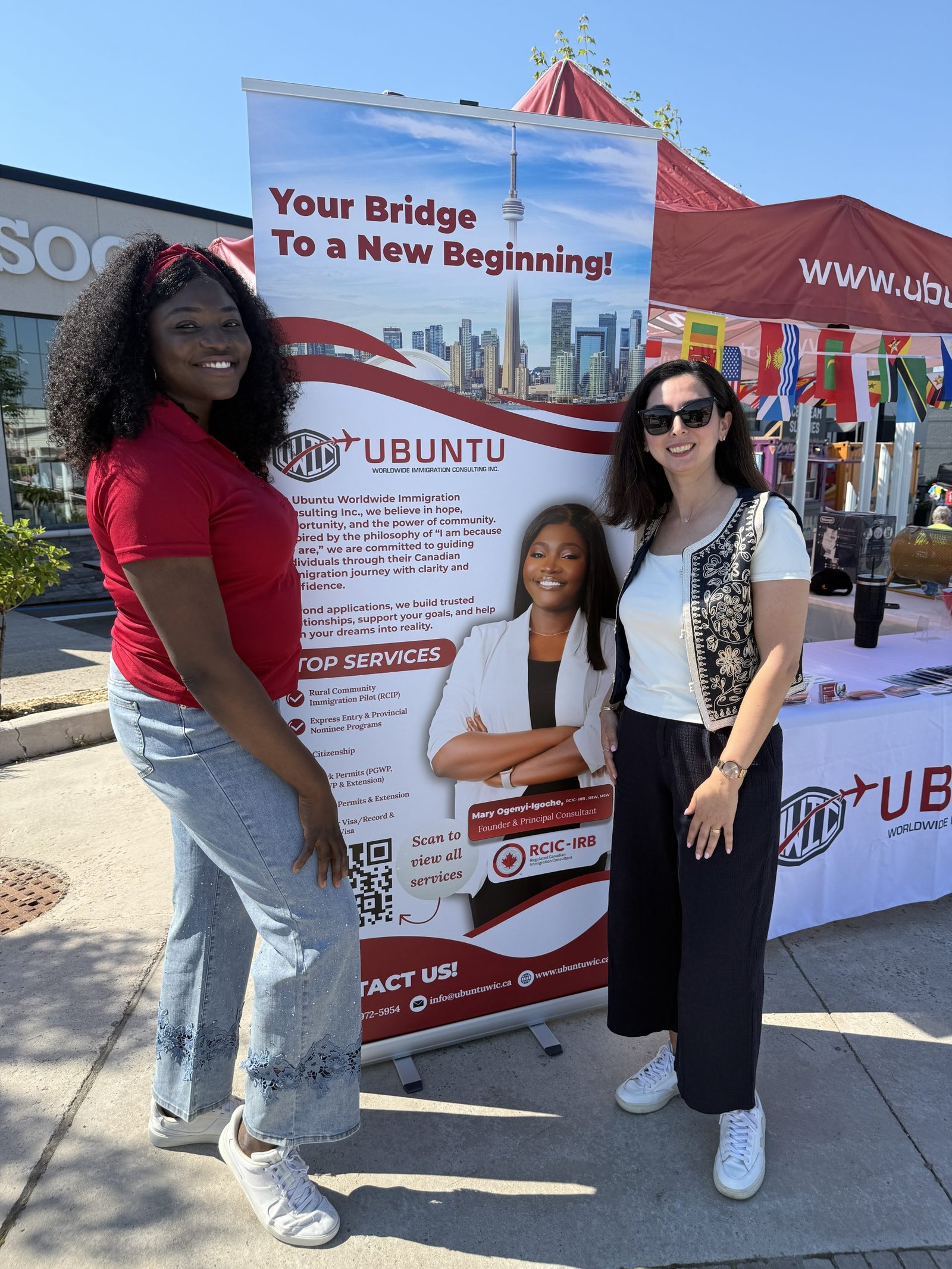
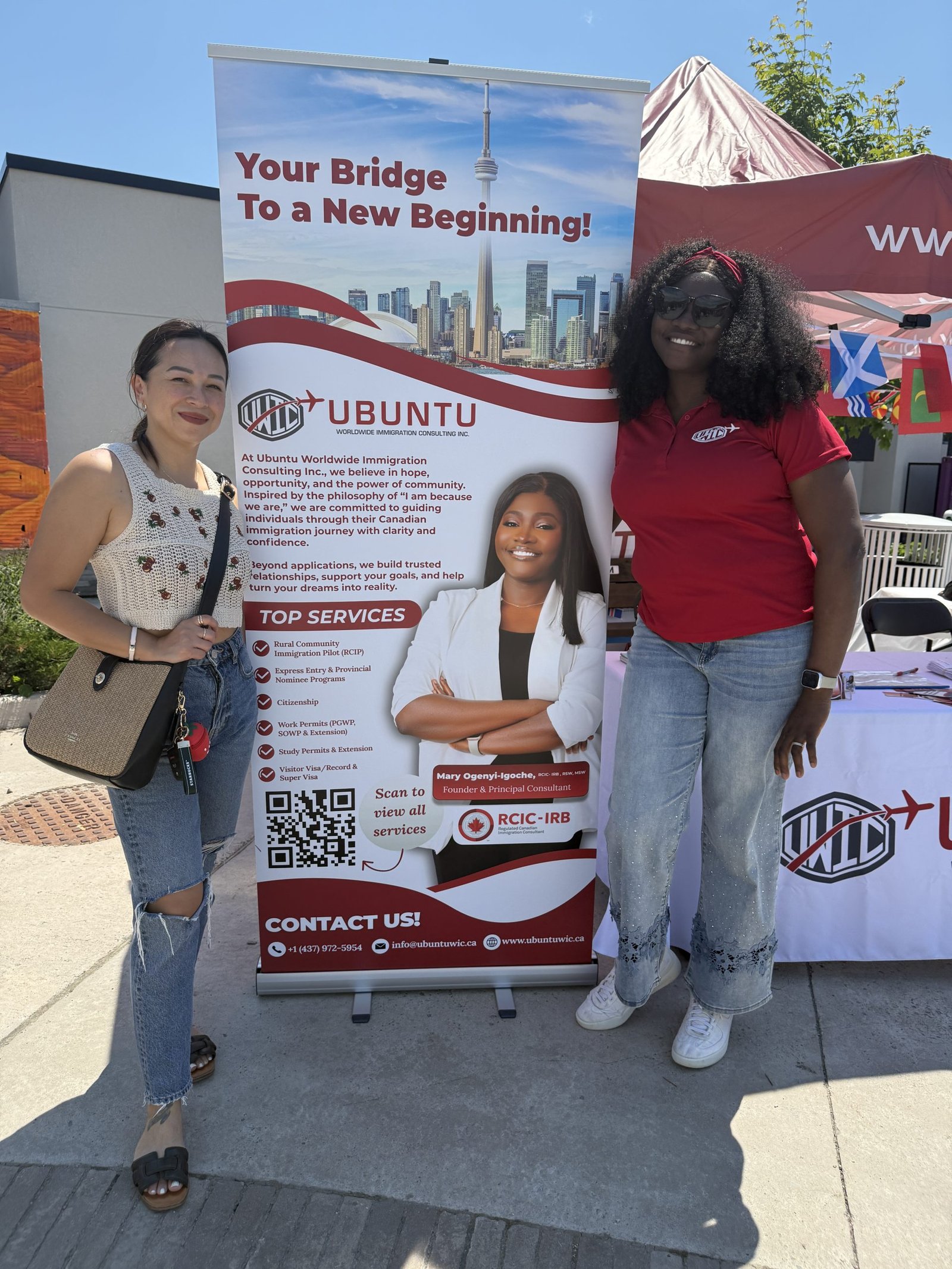
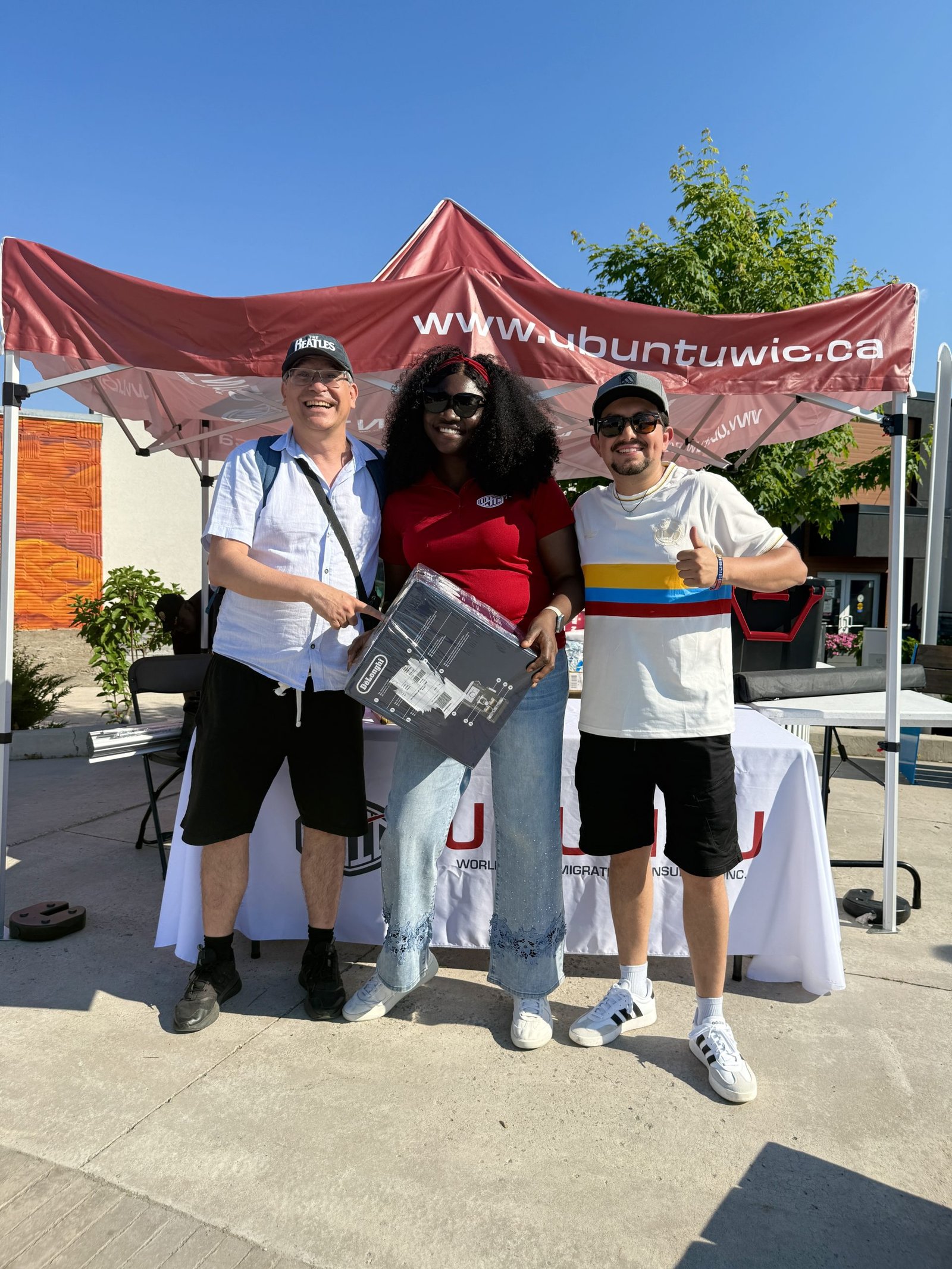
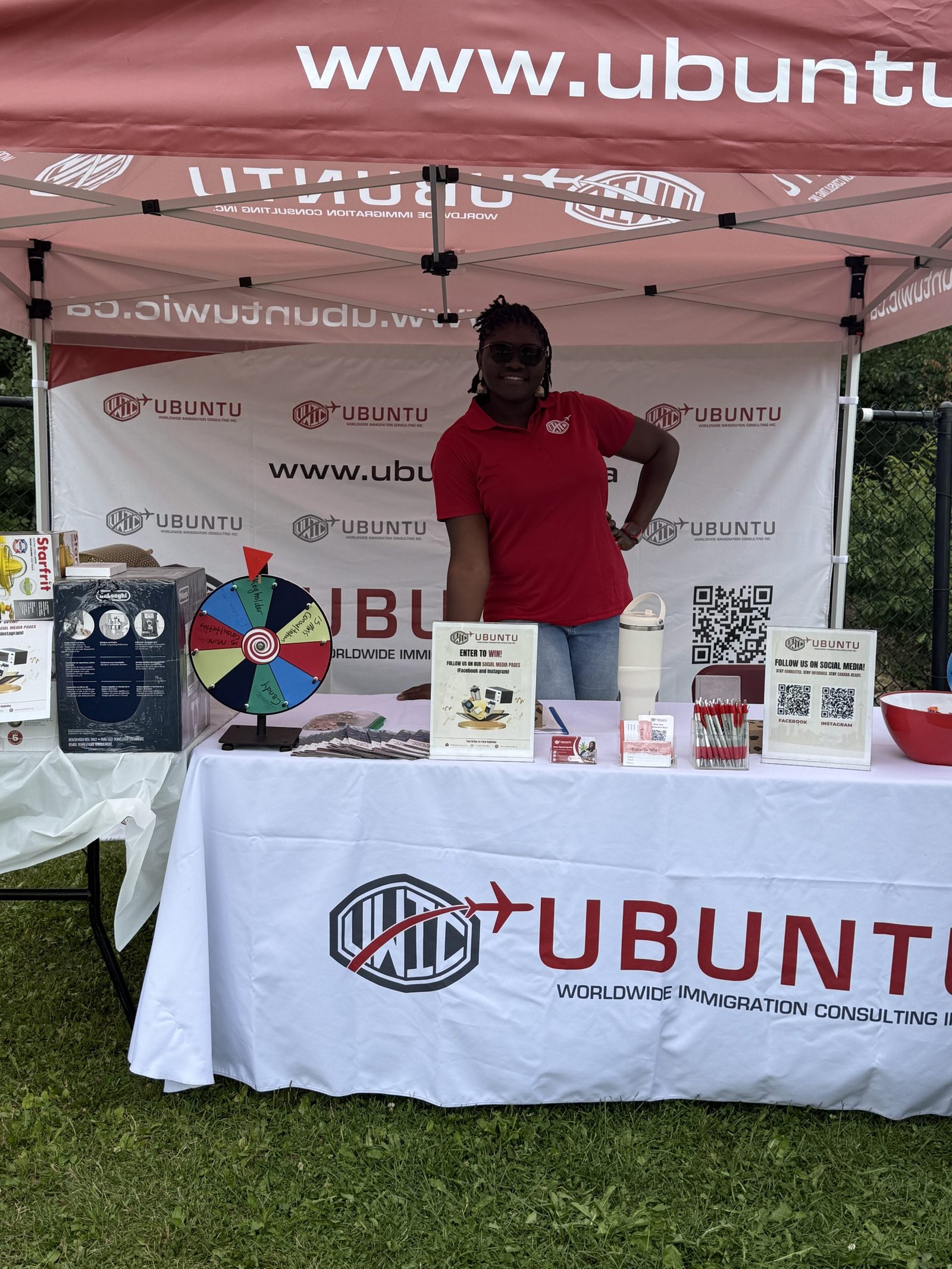
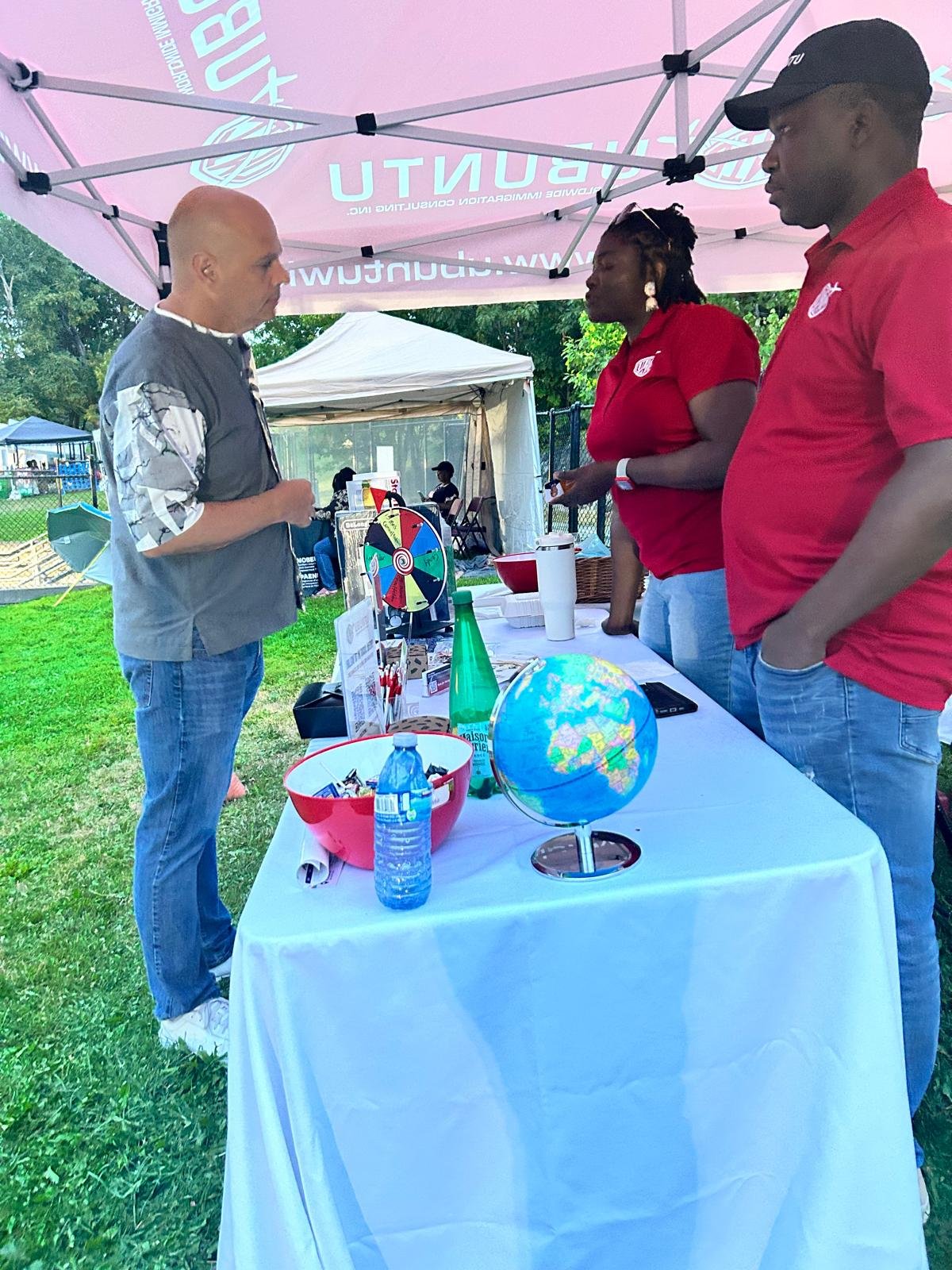
Information sessions, citizenship celebrations, community events and the everyday work of settling in. Hover to pause, click any photo to open it full size.
STAY INFORMED
Recent news
Wage thresholds move every July, the closed-city list is refreshed quarterly, and penalty levels doubled last year. Follow our journal so a change does not catch you between advertising and submission.
Zero general Express Entry draws in 895 days. Ontario pays 15 points for a northern postcode and zero for Toronto. Four rural communities will not score you at all.
Manitoba issued 474 Letters of Advice to Apply on 24 September 2026, with 417 going to engineering, architecture and IT candidates at a cut-off of 760. The more useful detail is why eligible candidates were skipped – and what the Workforce Transition Bridge means for those who were not invited.
Newfoundland and Labrador invited just 62 people on 18 September, down from rounds of 400 earlier this year. The draw size is not the story. The temporary federal measure letting PNP nominees bridge without an AOR is, and it expires on 31 December 2026.
Wage thresholds move every July, the closed-city list is refreshed quarterly, and penalty levels doubled last year. Follow our journal so a change does not catch you between advertising and submission.